
Lhasa, meaning “Holy Land” in Tibetan, is the capital of the Tibet Autonomous Region and its political, economic, cultural, and religious center. Situated in south-central Tibet on the north bank of the Lhasa River, a tributary of the Yarlung Tsangpo, the city sits at an average elevation of about 3,650 meters and receives over 3,000 hours of sunshine annually, earning it the name “City of Sunlight”. Lhasa’s urban foundation dates to the 7th century under King Songtsen Gampo, who moved the political center here and commissioned the Potala Palace and Jokhang Temple, around which the Barkhor old town grew. With more than 1,300 years of history, it is one of China’s first designated National Historical and Cultural Cities. The Potala Palace, Jokhang Temple, and Norbulingka are jointly inscribed as a UNESCO World Heritage Site, with the Potala Palace recognized as the world’s highest ancient palace complex.
Lasa
- Intro
- Popular
- Trips
Popular Attractions

Potala Palace
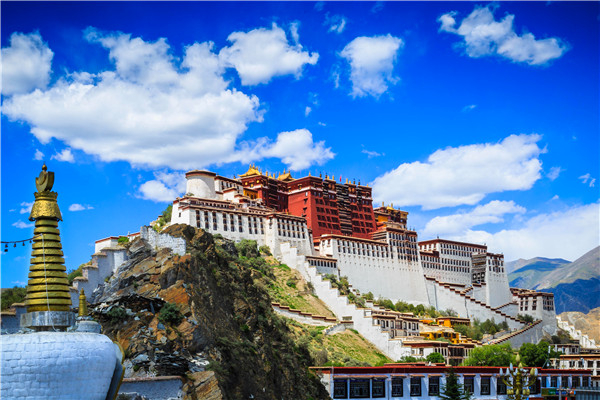
The Potala Palace is the highest and majestic palace in the world. It is the most important symbol of Lhasa and even Xizang, and a holy place in the hearts of all pilgrims. It is mainly composed of the Red Palace and the White House. The highest Red Palace in the middle is an important place for holding religious ceremonies, and the surrounding White House is mainly the venue for the Dalai Lama's activities. The Potala Palace was photographed at three locations: Yaowangshan Observation Deck on the southwest side of the Potala Palace, the artificial lake bank of Zongjiao Lukang Park, and the Potala Palace Square.
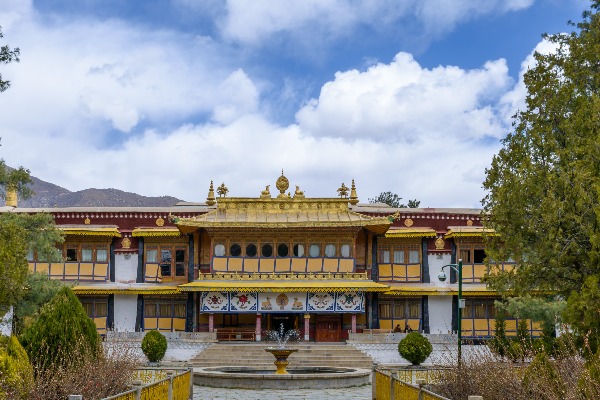
Norbulingka
Norbulingka means "Baby Park" in Tibetan and is the summer palace of successive Dalai Lama. Whenever summer comes, the Dalai Lama moves from the Potala Palace to Norbulingka for office. The building is mainly composed of Gesang Po Zhang, Golden Po Zhang, and Dadeng Mingjiu Po Zhang. It has 374 rooms. It is one of the largest artificial gardens in Xizang, with excellent scenery and many historical relics.

Jokhang Temple
The Jokhang Temple was built by the Tibetan king Songtsan Gampo. It has a history of more than 1300 years and holds a supreme position in Tibetan Buddhism. The Jokhang Temple is the most glorious Tibetan building in Xizang. It is also the earliest civil structure building in Xizang. It also created a Tibetan-style Pingchuan style temple city bureau style.

Eight Street
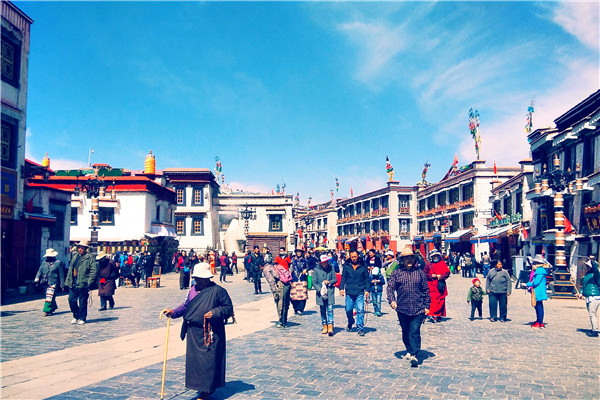
Barkhor Street, also known as Bajiao Street, is a famous transit road and commercial center in Lhasa. It relatively completely preserves the traditional appearance and living style of the ancient city. The original street of Bakor Street is just a single turning road around Jokhang Temple, which Tibetans call the "Holy Road". It has gradually expanded into a large old neighborhood around Jokhang Temple.
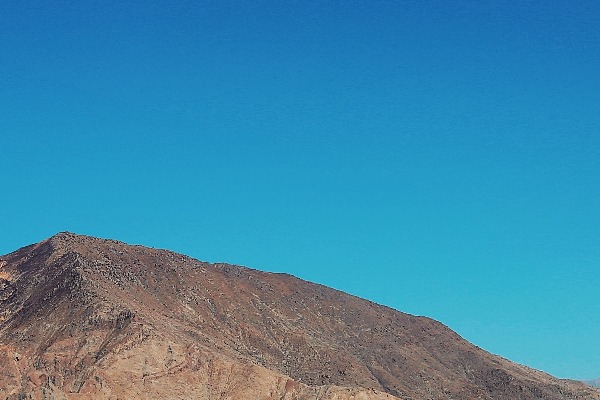
yaowangshan
The Tibetan name of Yaowang Mountain is "Jiabo Day", which means "Mountain Corner". It is on the right side of the Potala Palace and is 3725 meters above sea level. There is King Bodhisattva, and the Zhaolabubi Temple on the top of the mountain is inhabited by the Ye Medical Lama.


Recommend Trips
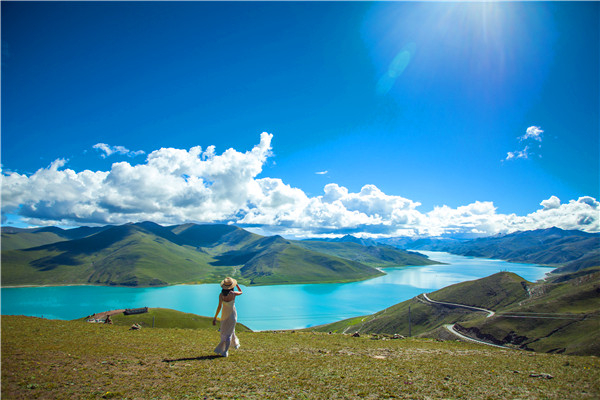
"Measuring Time: First Encounter with Tibet - 6 Days in Lhasa" Sunshine City of Lhasa + Yamdrok Lake + Holy Lake Namtso + Norbulingka
6 days
Namtso, a sacred site in the hearts of pilgrims
Yamdrok Lake: You won’t know true beauty until you’ve seen its waters.
Pause in Lhasa to visit the “Pearl of the Plateau,” the Potala Palace.
Highland Sacred City: A 6-Day, 5-Night Journey Through Tibetan Time Lhasa & Shannan + Potala Palace + Tibetan Incense Making + Zhaxixueba Tibetan Opera
6 days
Experience the Millennium-Old Intangible Cultural Heritage: Zhaxixueba Tibetan Opera
A New Experience of Tibetan Incense Culture
Carefully arranged Tibetan sweet tea, allowing you to savor the vibrant everyday life of a sweet tea house.
7-Day, 6-Night Blue Ice Journey to Puma Yumco (Glacial Sacred Lake): Potala Palace, Yamdrok Lake, Puma Yumco, and Thangka Painting Experience
7 days
Touch the blue ice up close, and listen quietly to the sound of cracking ice.
The Pearl of the Roof of the World – The Potala Palace
Visit the indigenous Tibetan community, try on traditional Tibetan attire, and savor the most authentic local ingredients.
No Suitable Tour?
Start planning your tailor-made tour with 1-1 help from our travel advisors.

