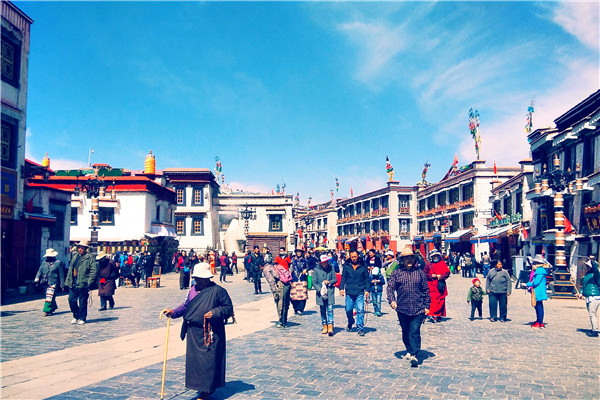
Today, travelers will fly independently to Lhasa, the “City of Sunlight.” Upon arrival, a dedicated representative will meet you at the station. After checking in at your hotel, you are free to explore Barkhor Street and immerse yourself in Tibetan culture and traditions.
Highland Sacred City: A 6-Day, 5-Night Journey Through Tibetan Time Lhasa & Shannan + Potala Palace + Tibetan Incense Making + Zhaxixueba Tibetan Opera
Destination Place
Lasa
Travel Days
6 days
Highlights
Experience the Millennium-Old Intangible Cultural Heritage: Zhaxixueba Tibetan Opera
A New Experience of Tibetan Incense Culture
Carefully arranged Tibetan sweet tea, allowing you to savor the vibrant everyday life of a sweet tea house.
Itinerary
Day1
Lasa
Day2
Lasa
Today’s Itinerary: Lhasa – Potala Palace – Jokhang Temple – Barkhor Street – Tibetan Incense Making
After breakfast, depart from the hotel and head to the Potala Palace. Afterwards, visit the Jokhang Temple.
Upon exiting the Jokhang Temple, take a leisurely stroll along Barkhor Street, where a traditional Tibetan lunch has been arranged for you.
In the afternoon, visit a small workshop for Tibetan incense making, where you can craft a few sticks of incense to take home as souvenirs.
Later, stop by a local sweet tea house, order a cup of Tibetan sweet tea, bask in the sunshine, and listen to the surrounding Tibetan locals chatting in their native language.
3 Attractions

Potala Palace
The Potala Palace is the highest and majestic palace in the world. It is the most important symbol of Lhasa and even Xizang, and a holy place in the hearts of all pilgrims. It is mainly composed of the Red Palace and the White House. The highest Red Palace in the middle is an important place for holding religious ceremonies, and the surrounding White House is mainly the venue for the Dalai Lama's activities. The Potala Palace was photographed at three locations: Yaowangshan Observation Deck on the southwest side of the Potala Palace, the artificial lake bank of Zongjiao Lukang Park, and the Potala Palace Square.

Jokhang Temple
The Jokhang Temple was built by the Tibetan king Songtsan Gampo. It has a history of more than 1300 years and holds a supreme position in Tibetan Buddhism. The Jokhang Temple is the most glorious Tibetan building in Xizang. It is also the earliest civil structure building in Xizang. It also created a Tibetan-style Pingchuan style temple city bureau style.

Eight Street
Barkhor Street, also known as Bajiao Street, is a famous transit road and commercial center in Lhasa. It relatively completely preserves the traditional appearance and living style of the ancient city. The original street of Bakor Street is just a single turning road around Jokhang Temple, which Tibetans call the "Holy Road". It has gradually expanded into a large old neighborhood around Jokhang Temple.


1 Experiences
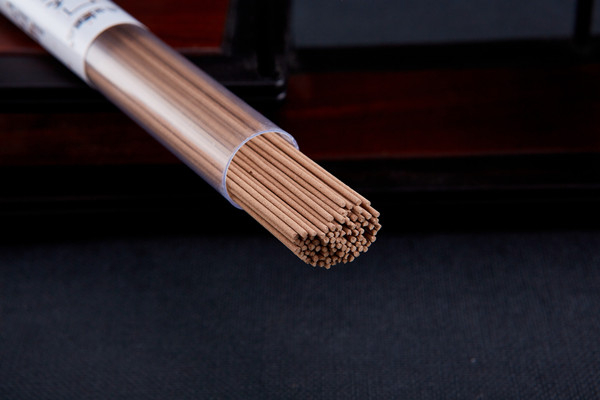
Tibetan incense making
Tibetan incense is a rare heavenly wood in the snowy mountains of Tibetan areas. There are many records in Buddhist scriptures. Tianmuxiang is the top grade of Buddhist rites and sacrifices to Buddha. It is one of the five famous special incense offerings recorded in Xianmi classics. Tibetan doctors call Tianmu Xiaoxiang. According to Tibetan medicine classics, Tianmu is pure and unstained. It is a good medicine for health and treatment. It removes dirt and turbid, eliminates evil and insect pests, channels channels and pores, cures poisonous sores and strange diseases, and dispels mountain miasma. effect. The history of Tibetan incense making can be traced back to 1300 years. Since then, there has been a tradition of making Tibetan incense by every household in Tunba Village, which continues to this day. The Tibetan incense ingredients are exquisite and the production is superb. Although Tibetan incense has a long history, the making of Tibetan incense is still a very mysterious skill for modern people. Honghui Xiaobian unveils the mystery of Tibetan incense making for everyone.
Day3
Lasa-Shannan
Today’s Itinerary: Lhasa – Rituo Monastery – Yamdrok Lake – Shannan
Depart from Lhasa this morning and head to Rituo Monastery, where you’ll enjoy panoramic views of Yamdrok Lake from a unique vantage point. After the visit, appreciate the thousand-year-old intangible cultural heritage performance of “Tashi Sholpa” Tibetan Opera. Then proceed to Shannan City and check into your hotel.
Depart from Lhasa this morning and head to Rituo Monastery, where you’ll enjoy panoramic views of Yamdrok Lake from a unique vantage point. After the visit, appreciate the thousand-year-old intangible cultural heritage performance of “Tashi Sholpa” Tibetan Opera. Then proceed to Shannan City and check into your hotel.
2 Attractions
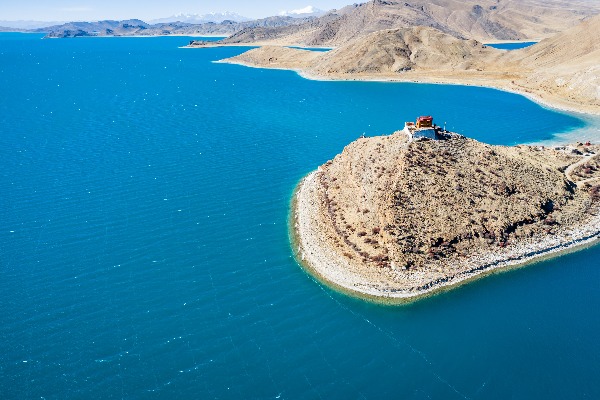
Tioji Temple
It has a history of more than 700 years and means "stone on the mountain", and this temple does contain a divine stone, which is said to cure all diseases. It is located on the top of the peninsula deep on the north bank of Yangzhuoyongcuo. Due to its remote location, few people know about it and few tourists arrive. Standing on the top of the mountain, you can have a 360-degree view of Yangzhuo Yongcuo.
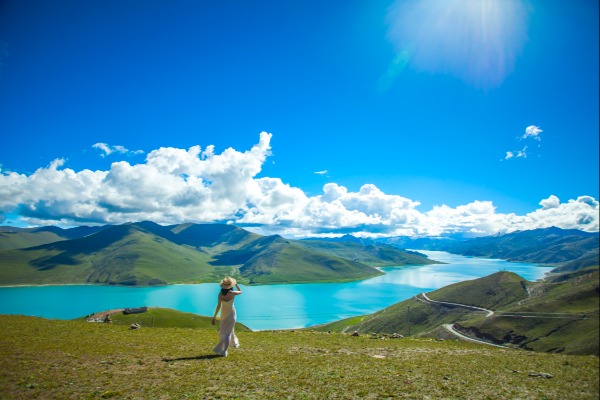
Yambdrok
YamdrokTso, referred to as Yanghu, meaning "Jasper Lake" in Tibetan, is one of the three sacred lakes in Xizang. It is like a coral branch, so it is also called the "Coral Lake above" in Tibetan. Langkazi County, located in the Shannan Prefecture of Xizang, is about 70 kilometers southwest of Lhasa. It is also known as the three sacred lakes in Xizang, along with Namco and Mapang Yongco. It is the largest inland lake at the northern foot of the Himalayas. The beauty of lakes and mountains makes it the best in southern Tibet. Yangzhuoyong Coo covers an area of 675 square kilometers and the lake surface is 4,441 meters above sea level. From Lhasa to Yanghu, you need to cross the 5030-meter Gambala Pass.
1 Experiences
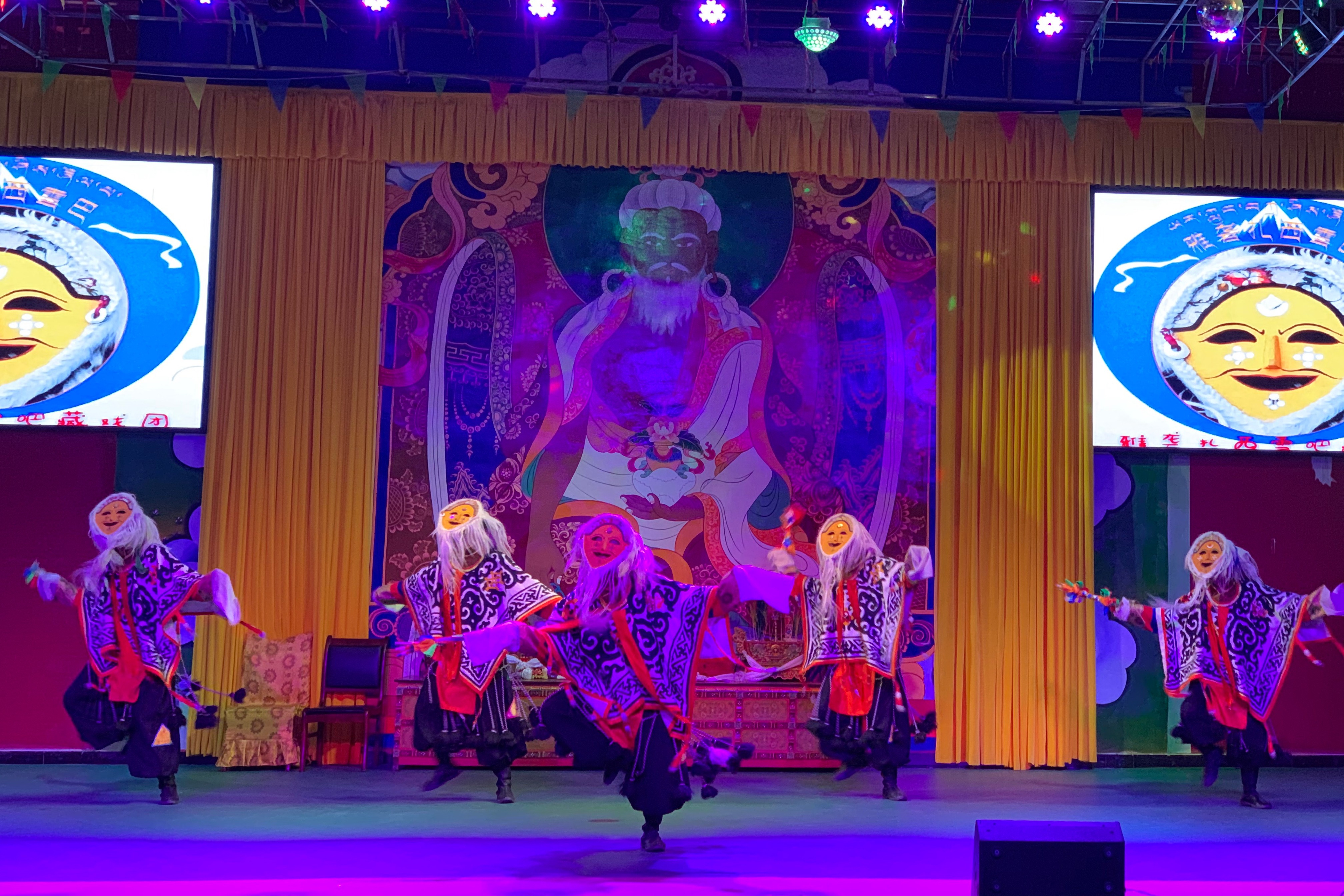
Tibetan opera
Starting from the second day of the Snowdon Festival, in Longwangtan Park opposite Norbu Lingka and Potala Palace, the Tibetan opera team sang from 11 a.m. to dusk every day. It is said that due to limited time, this is already the essence of extracting the play. Otherwise, a play would be sung for several days, and the performers would enjoy it, and the viewers would enjoy it.
Day4
Shannan-Lasa
Today’s Itinerary: Shannan – Yumbulagang Palace – Samye Monastery – Lhasa
Explore two “firsts” in Tibetan history today. Depart from Shannan and head to Yumbulagang Palace, the first palace ever built in Tibet.
After your visit, drive toward Lhasa, stopping en route at Samye Monastery, the first Buddhist monastery established in Tibet.
In the evening, stroll through Barkhor Street and savor delicious yak hotpot.
2 Attractions
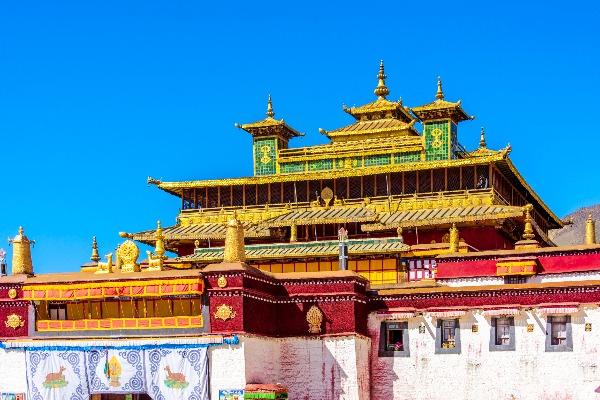
Samye
Sangye Temple was built during the Tubo Dynasty in the 8th century AD. It was the first temple in Xizang where a toned monk became a monk. The buildings inside the temple are laid out according to the Buddhist cosmology. The central temple has three styles: Tibetan, Han and Indian. Therefore, Sangye Temple is also called Sanyang Temple. There are more than 50 monks in Sangye Temple.
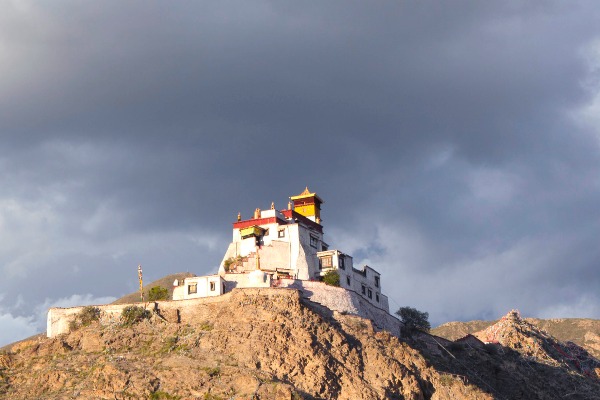
Yongbulakang
Yongbulakang is located on Mount Tashi, 11 kilometers away from Zedang. "Yongbu" means "doe", named because Tashi Cishan looks like a doe, and "Lakang" means "temple". Yongbulakang is said to be the first palace built in 127 BC by Nie Chi Zampu, the first king of Xizang and the leader of the Yalong tribe. Songtsan Gampo was transformed from a palace into a temple during the summer. When Princess Wencheng first came to Xizang, she would come here with Songtsan Gampo every summer. By the time of the Fifth Dalai Lama, a four-corner gold roof was built on the basis of the original watchtower building and changed it into a Huangjiao monastery.
Day5
Lasa
Today’s Itinerary: Lhasa – Norbulingka – Tibet Museum – Princess Wencheng Show – Lhasa
This morning, we’ll start the day with a visit to Norbulingka, followed by a tour of the Tibet Museum.
In the afternoon, we’ll return to downtown Lhasa. You’ll have free time to enjoy a personal photoshoot in traditional Tibetan attire, capturing beautiful memories of your trip. (If you’re not interested in a photoshoot, you may instead visit Zhaki Temple, the first temple dedicated to the God of Wealth in Tibet.)
In the evening, we’ll attend the large-scale outdoor live performance “Princess Wencheng,” before returning to the hotel for rest.
2 Attractions
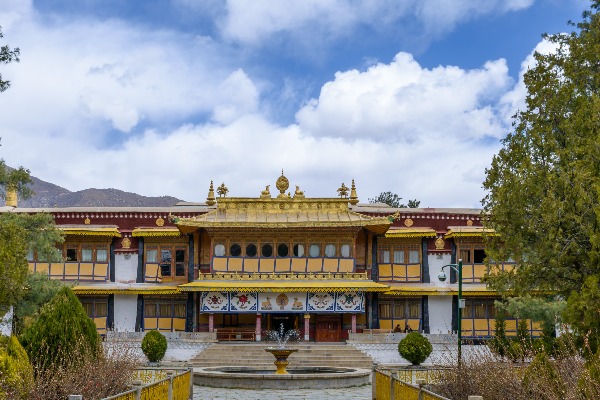
Norbulingka
Norbulingka means "Baby Park" in Tibetan and is the summer palace of successive Dalai Lama. Whenever summer comes, the Dalai Lama moves from the Potala Palace to Norbulingka for office. The building is mainly composed of Gesang Po Zhang, Golden Po Zhang, and Dadeng Mingjiu Po Zhang. It has 374 rooms. It is one of the largest artificial gardens in Xizang, with excellent scenery and many historical relics.
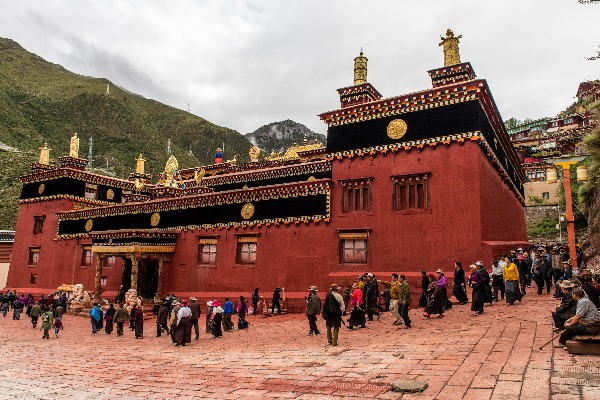
Zhaji Temple
Zaki Temple is located on Zaki Road in the northern suburbs of Lhasa City. It is the only temple of God of Wealth in Xizang. Although the temple is small, its incense is very prosperous. Zaki Temple is a branch of Sera Temple, a temple of the Gelug Sect of Tibetan Buddhism.
1 Experiences
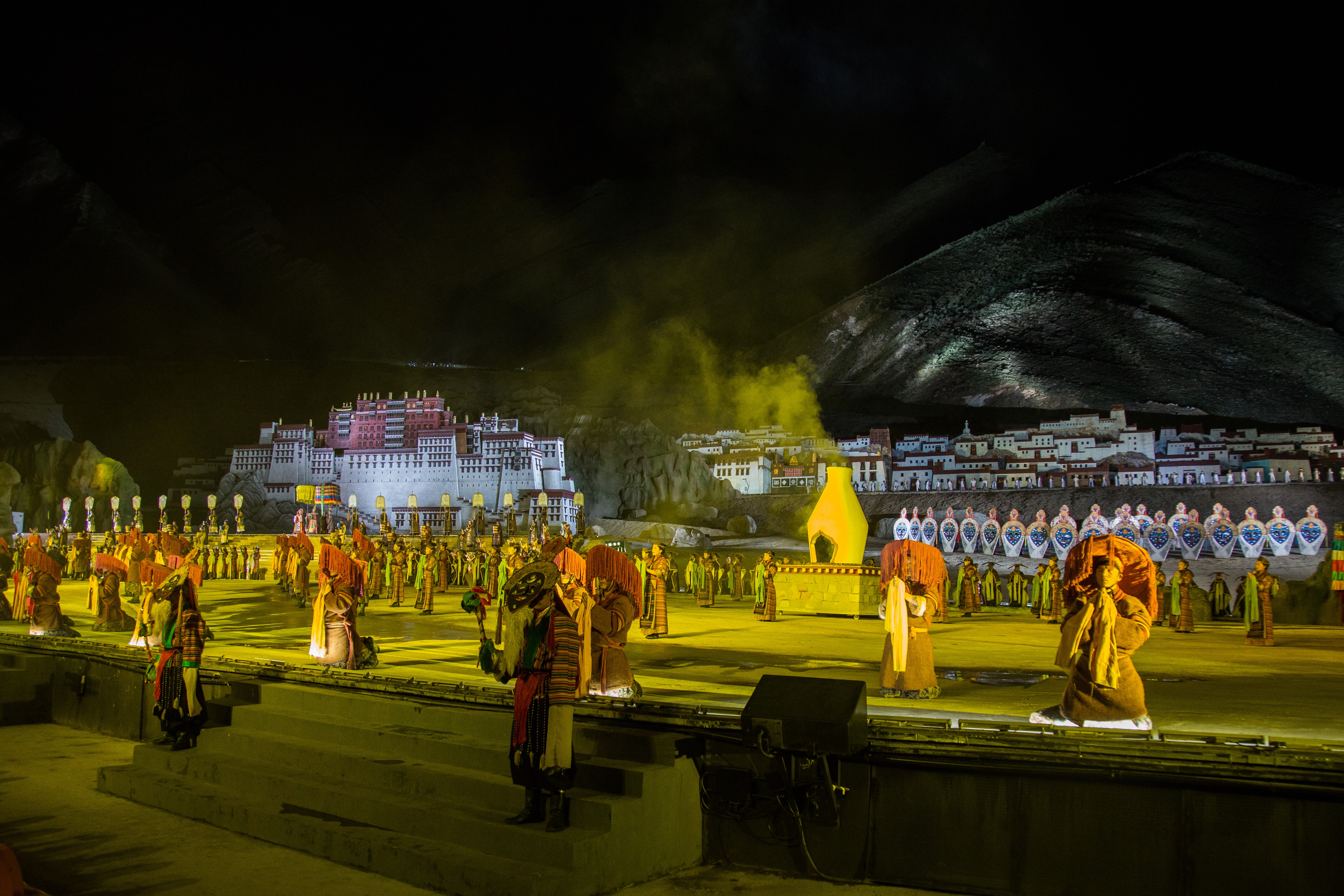
Princess Wencheng
The starry sky is the curtain and the mountains and rivers are the scenery. It is magnificent and shocking the soul. The large-scale real-life drama "Princess Wencheng", a classic epic masterpiece of Tibetan culture, is based on the natural mountains and rivers of Lhasa and tells the story of Princess Wencheng of the Tang Dynasty under the bright starry sky of the plateau holy land. The story of the marriage between Princess Wencheng and King Songzan Ganbu of Tubo. It reproduces Princess Wencheng's long journey and twists and turns in her mind, interprets the love legend in the prosperous Tang Dynasty, and sings a moving epic of harmony and beauty between Han and Tibet.
Day6
Lasa
This morning, you’ll be transferred to the airport by private car in accordance with your flight schedule, and then board your flight back to the comfort of your home.

