
Luoyang, located in western Henan Province on both banks of the middle and lower Yellow River, takes its name from its position on the sunny (north) side of the Luo River. A National Historical and Cultural City designated by the State Council, it served as capital to thirteen dynasties across a civilization history of over 5,000 years, an urban history of nearly 4,000 years, and a capital history of more than 1,500 years. Luoyang is a key birthplace of Chinese civilization, the eastern starting point of the Silk Road, and the center of the Sui-Tang Grand Canal. In 2014, it became China’s only city with dual World Heritage inscriptions, now holding 3 World Heritage items across 6 sites: the Longmen Grottoes, three Silk Road heritage sites, and two Grand Canal heritage sites. The Longmen Grottoes contain 2,345 caves and niches and over 100,000 statues, representing the pinnacle of Chinese cave art. White Horse Temple, built in 68 AD, is the first officially sanctioned Buddhist temple in China, honored as the “cradle of Chinese Buddhism”. Luoyang’s peonies are celebrated as the finest under heaven, blooming spectacularly from April to May.
Luoyang
- Intro
- Popular
- Trips
Popular Attractions
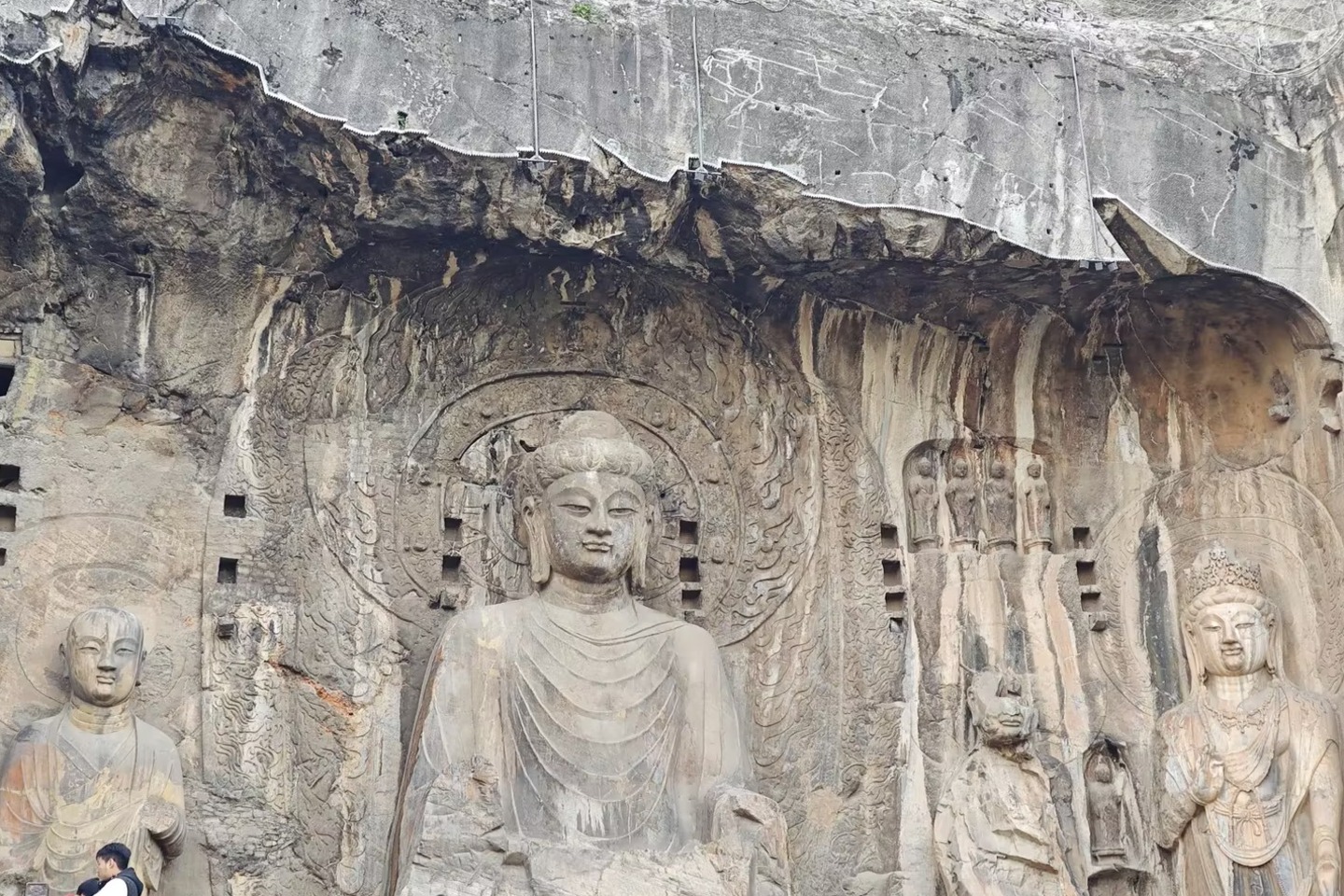
Longmen grottoes in Luoyang
The Longmen Grottoes are one of the treasure houses of stone carving art in China. They are a world cultural heritage, a national key cultural relic protection unit, and a national AAAAA tourist attraction. They are located on Longmen Mountain and Fragrant Mountain on both sides of the Yi River in the southern suburbs of Luoyang City. Longmen Grottoes, Dunhuang Mogao Grottoes and Yungang Grottoes are also known as the three major grottoes in China.
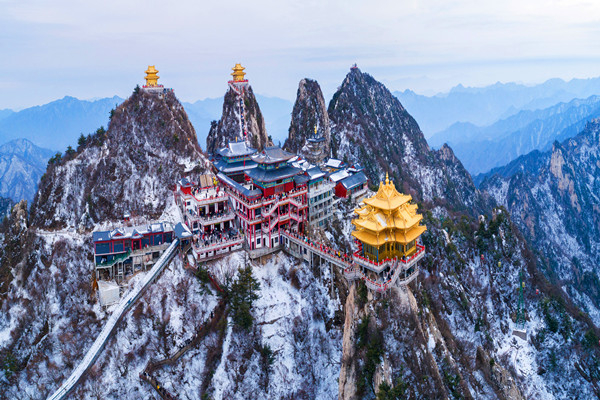
laojunshan
It is said that Lao Tzu, the ancestor of Taoism in the Eastern Zhou Dynasty, once lived in seclusion and cultivated in this mountain, hence the name Laojun Mountain, which is the main peak of Funiu Mountain. At an altitude of more than 2,000 meters, there are official halls and temple communities. In ancient times, it was regarded as a Taoist holy place.
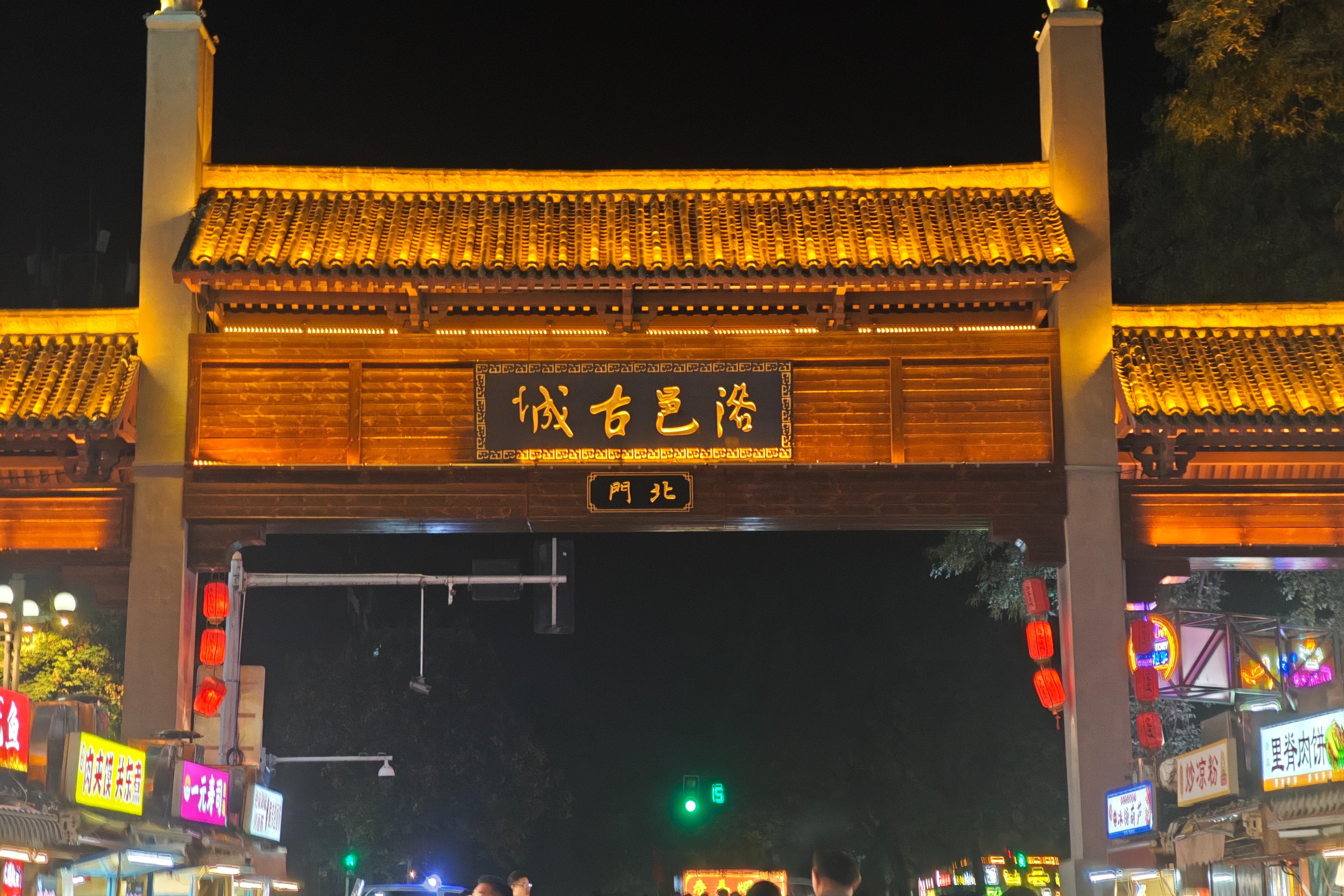
Luoyi Ancient City
Luoyi Ancient City is located in the Laocheng District of Luoyang City. It has a long ancient charm and many historical relics. "Luoyi" is the old name of Luoyang in ancient times. After thirteen dynasties, too much Chinese culture has been accumulated here. Strolling in the ancient city of Luoyi, you will find the eaves stacked on top of each other, and the city walls, ancient courtyards, old trees, etc., every place is unforgettable. The pavilions, small bridges and flowing water add a touch of tranquility and beauty here. Ruins such as Wenfeng Pagoda, Confucian Temple, and Tuoling Palace reflect Luoyang's profound historical and cultural heritage.
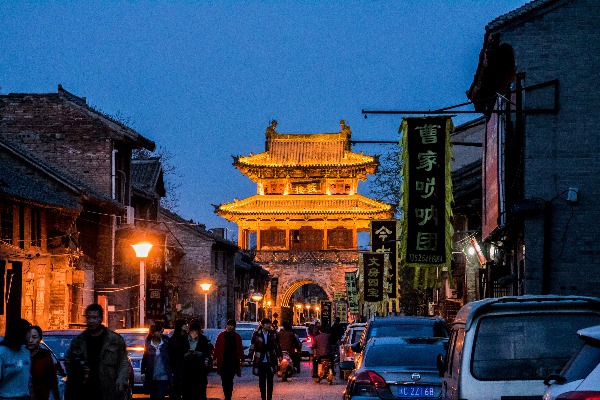
Luoyang Old Street
Luoyang Old Street, also known as Laoji, starts from Lijingmen in the west and ends at Drum Tower in the east. The central part is the Cross Street. This is almost Luoyang's food paradise. Old Street culture was formed in Jinzhong Capital (1214). It was built on the former site of Dongcheng in the Eastern Capital of the Sui and Tang Dynasties. It has a history of more than 3050 years. This is a microcosm of Luoyang's city's history and culture. In addition to Lijingmen, Drum Tower, Bajiao Tower, Wenbi Peak, etc. still standing on the streets, various shops on East Street and West Street also retain traditional storefronts. There are pennants with the names of various businesses hanging outside the store, where you can feel the atmosphere of local people's life.
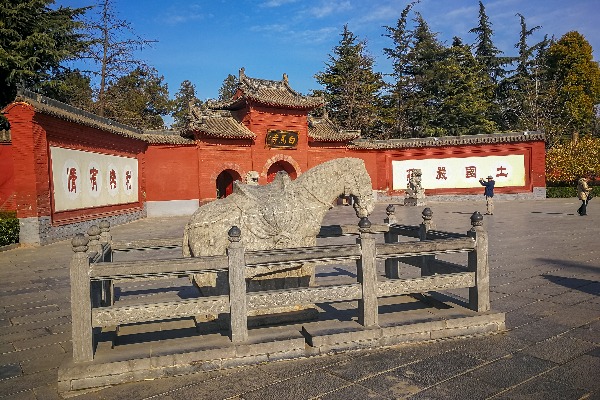
white Horse temple
The Baima Temple in Luoyang, Henan Province is located 12 kilometers east of the Old City of Luoyang, Henan Province. It was founded in the 11th year of Yongping of the Eastern Han Dynasty (AD 68). It is the first ancient temple in China. It is world-famous Jialan. It is the first temple built after Buddhism was introduced to China. It is known as the "Ancestral Court" and "Source of Interpretation" of Buddhism in China. It has a history of more than 1900 years. The existing ruins and historic sites were left in the Yuan, Ming and Qing Dynasties. A large number of Yuan Dynasty dry-lacquer statues such as the Third Buddha, the Second Sky General, and the Eighteen Arhats are preserved in the temple, which are extremely precious.
Recommend Trips
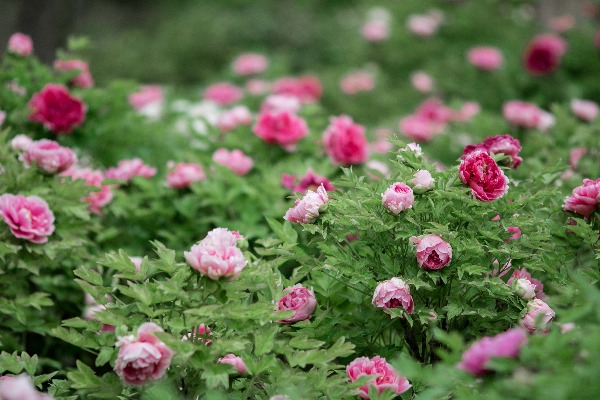
Blossom Season Reunion: 7-Day Tour of Kaifeng, Zhengzhou, and Luoyang Highlights: Laojun Mountain, Shenzhou Peony Garden, Wansui Mountain Martial Arts City, Shaolin Temple, Longmen Grottoes, Henan Museum, White Horse Temple, Luoyi Ancient City, Yingtian Gate, and Tang Palace Banquet with Musical Performance
7 days
“Imperial Capital for a Millennium, City of Peonies” – Admire the peonies and immerse yourself in the long-standing history of Luoyang’s peonies.
Wansui Mountain Wuxia City, jokingly referred to as the “Disney of Henan,” delivers an immersive martial-arts world atmosphere and is incredibly fun.
Reaching the summit of Laojun Mountain, one finds it truly deserving of its reputation as “the unparalleled sacred realm under heaven, the world’s foremost immortal mountain.”
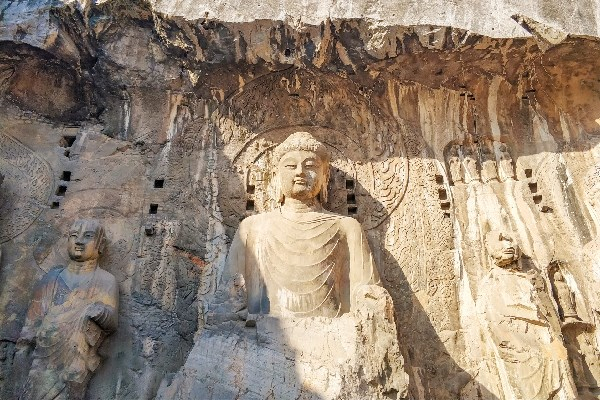
[Only Henan: 7-Day Inbound Tour to Henan] Longmen Grottoes + Qingming Riverside Landscape Garden + Hulatang (Spicy Pepper Soup) + Shaolin Temple + Martial Arts Performance Workshop + Song Dynasty-Style Tea Whisking Experience
7 days
It is a journey imbued with the genetic heritage of Chinese civilization, traversing millennia of imperial capitals and gaining insight into the culture of the Central Plains.
Savor Henan’s distinctive culinary specialties, experience Henan’s rich soup culture, and more.
Signature experiences: wearing traditional Chinese Hanfu, learning martial arts performances from Shaolin monk warriors at the Shaolin Temple, and participating in diancha (traditional Chinese tea whisking).
No Suitable Tour?
Start planning your tailor-made tour with 1-1 help from our travel advisors.

