
Dunhuang lies at the westernmost end of the Hexi Corridor in Gansu Province, at the junction of Gansu, Qinghai, and Xinjiang. Covering 26,700 square kilometers with a resident population of about 182,000, it is one of China’s first Outstanding Tourism Cities and a National Historical and Cultural City. During the Han Dynasty, Emperor Wu established Dunhuang Commandery and built the Yangguan and Yumen Passes, making the city a strategic gateway on the Silk Road and a crossroads of Chinese and Western civilizations. Dunhuang is world-renowned for the Mogao Caves, a Buddhist cave complex first carved in the 4th century. It preserves 735 caves, 45,000 square meters of murals, and 2,415 painted sculptures, ranking among the world’s greatest repositories of Buddhist art. Mingsha Mountain and Crescent Moon Spring form a celebrated desert wonder—a crescent-shaped oasis that has endured among towering sand dunes for centuries. The Yumen and Yangguan Pass ruins evoke the desolate grandeur immortalized in classical Chinese poetry.
Dunhuang
- Intro
- Popular
- Trips
Popular Attractions
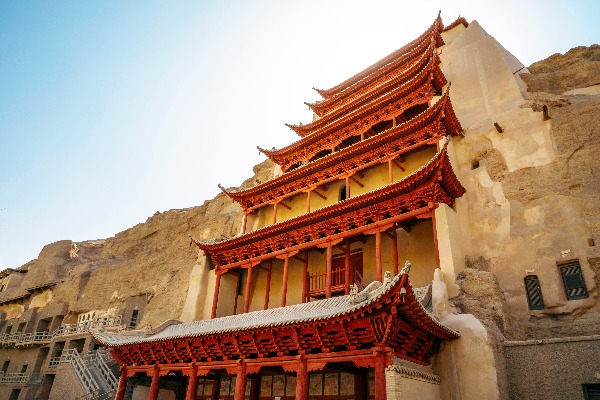
The mogao grottoes
The Mogao Grottoes Scenic Area consists of two parts: the Mogao Grottoes Digital Display Center and the Mogao Grottoes. The Mogao Grottoes Digital Display Center will show short films about the Mogao Grottoes. The grottoes have been excavated for thousands of years and have a large number of murals, grottoes, cultural relics, etc. They are world-famous Buddhist art resorts. The artistic characteristics of the high grotto are mainly reflected in the clever combination of buildings, statues and Dunhuang murals, which vividly and harmoniously express the artistic styles of multiple dynasties.
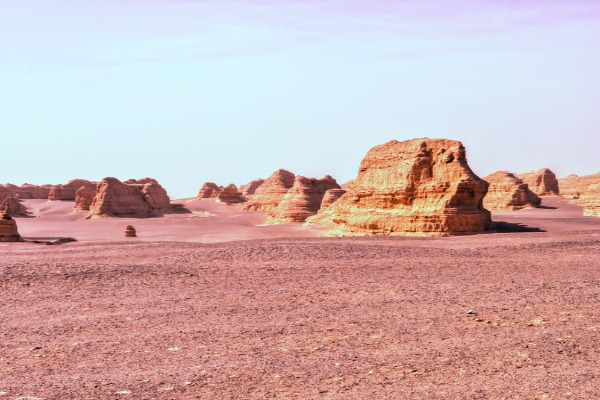
Yadan geological park
Yadan National Geopark is also called Yadan Devil City. Because there are magnets on the ground, the compass does not work here. The park is dominated by large areas of unique Yadan landforms, which look magical and spectacular on the Gobi Desert. The sun shines in the west every evening, making it a wonderful place for photography. After night fell, the sharp wind made a terrible roar, like thousands of wild beasts roaring, which was chilling, and hence the name "Devil City".
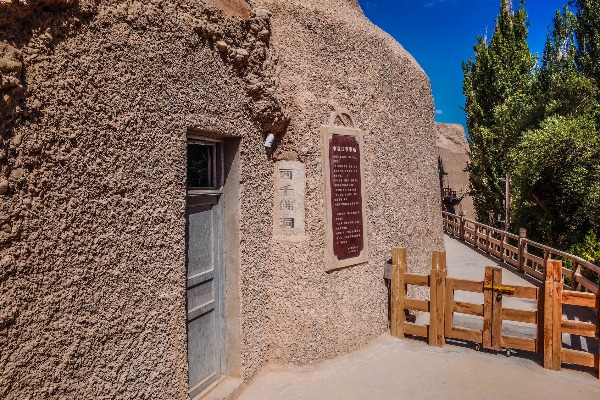
West thousand-buddha
The West Thousand Buddha Cave is named because it is located to the west of Dunhuang Mogao Grottoes (commonly known as the Thousand Buddha Cave). It is about 35 kilometers away from the urban area of Dunhuang. It is dug on the cliffs on the bank of the Dang River and is an important part of Dunhuang art. According to the Dunhuang suicide notes hidden in Paris, the West Thousand Buddha Cave should have been dug earlier than the Dunhuang Mogao Grottoes and at the same time as the Mogao Grottoes at the latest. The famous caves are Cave 4 of the West Thousand Buddha Cave, Cave 7 of the West Thousand Buddha Cave, and Cave 19 of the West Thousand Buddha Cave.
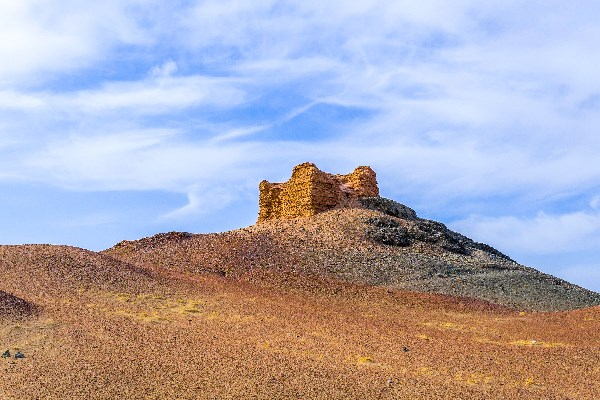
YANGGUANJINGQU
Yangguan Scenic Area now houses many cultural relics sites such as ancient passes, ancient cities, ancient beacons, ancient water sources, ancient roads, ancient fortress walls, ancient tombs, and ancient pottery kilns from the Han and Tang Dynasties. In order to better protect these cultural relics sites and inherit and carry forward Dunhuang culture, the Yangguan Museum was built in the scenic area. The Yangguan Museum generally presents a Chinese-style architectural style and covers an area of approximately 100,000 square meters. It is currently the largest scenic site museum in northwest China. The collection is rich in cultural relics and the exhibition style is novel, which can systematically reflect the prosperity and changes of Dunhuang and Yangguan during the Han and Tang Dynasties.
Recommend Trips
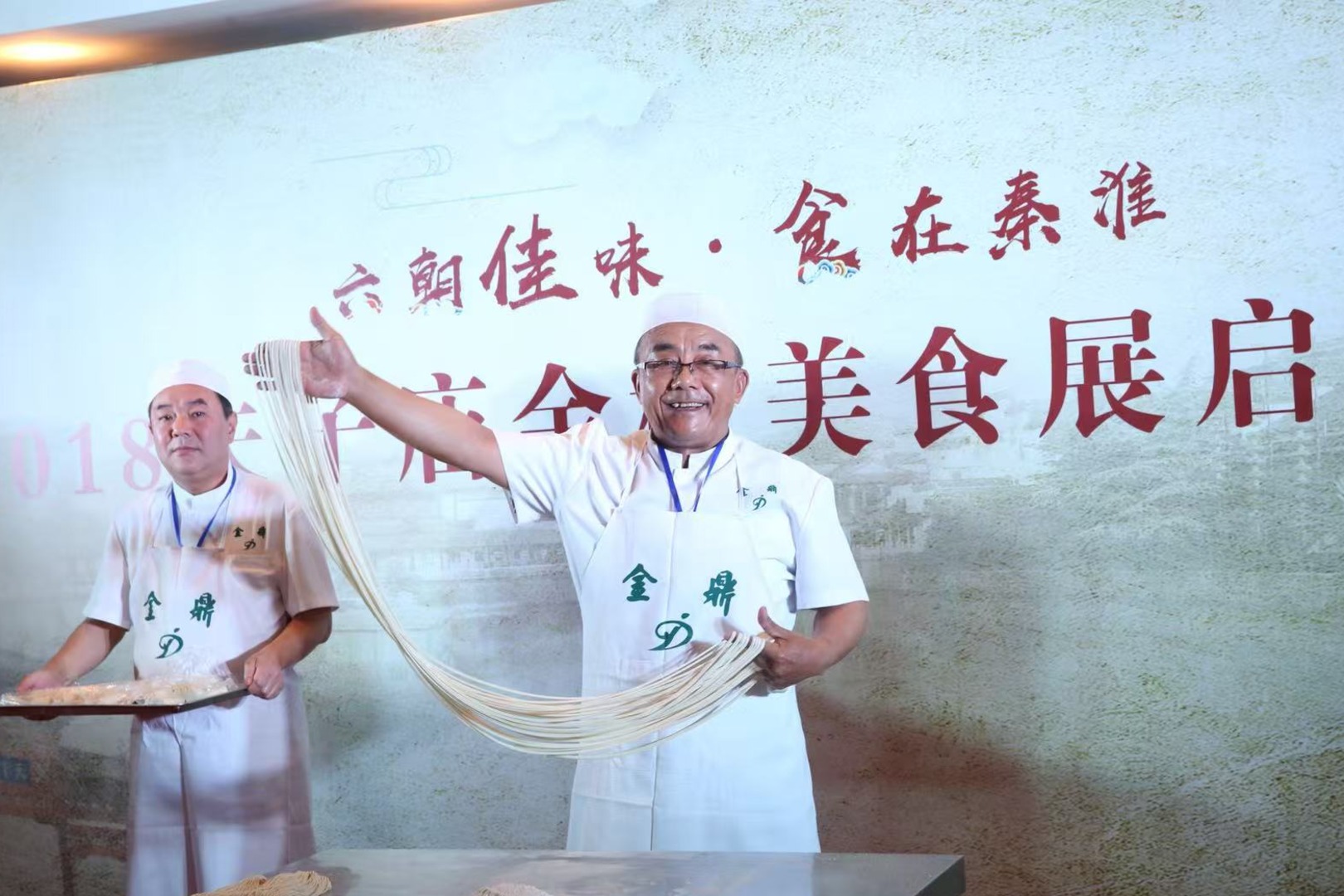
【My Chef Friend · 7-Day Gansu Tour】 Mogao Caves + Mingsha Mountain + Colorful Danxia Landform + Desert Stargazing + Dunhuang Mural Copying Experience + “Encore Dunhuang” Performance + Lanzhou Beef Noodles Chef Exchange + Jiayuguan Barbecue + Ganzhou Cuoyuzi (Hand-Rolled Fish-Shaped Noodles)
7 days
Explore the culture of the Silk Road, from the Gansu Provincial Museum to the Mogao Caves in Dunhuang.
Savor distinctive local delicacies, from Lanzhou beef noodles to Zhangye cuoyuzi, and enjoy their unique flavors.
The destination offers a diverse array of signature activities, including chef-led exchanges, mural copying workshops, and desert stargazing.
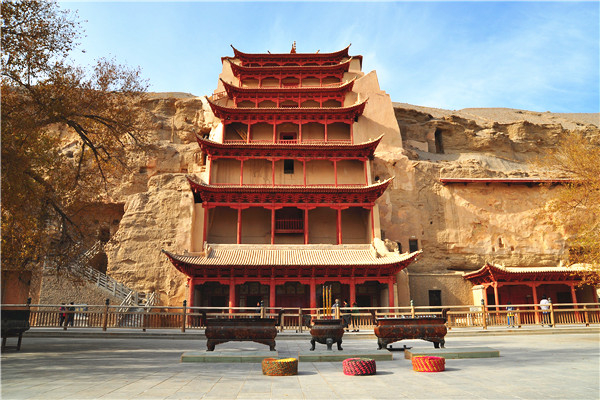
Retracing the Hexi Corridor, Dreaming Back to Dunhuang: 8-Day Tour Wuwei Leitai Han Tomb + Zhangye Colorful Danxia Landform + Jiayuguan Pass Tower + Dunhuang Mogao Caves
8 days
Mogao Grottoes, an artistic palace that integrates ancient architecture, sculpture, and murals, offers a profound glimpse into the depth and breadth of Buddhist culture.
Yadan landforms: a spectacular desert wonder of breathtaking beauty and grand scale.
The Seven-Colored Danxia Landforms: a mountainous palette bestowed upon the world by the heavens, breathtaking and awe-inspiring to all.
No Suitable Tour?
Start planning your tailor-made tour with 1-1 help from our travel advisors.

