• loading.......

Retracing the Hexi Corridor, Dreaming Back to Dunhuang: 8-Day Tour Wuwei Leitai Han Tomb + Zhangye Colorful Danxia Landform + Jiayuguan Pass Tower + Dunhuang Mogao Caves

Destination Place

Lanzhou

Travel Days

8 days

Highlights

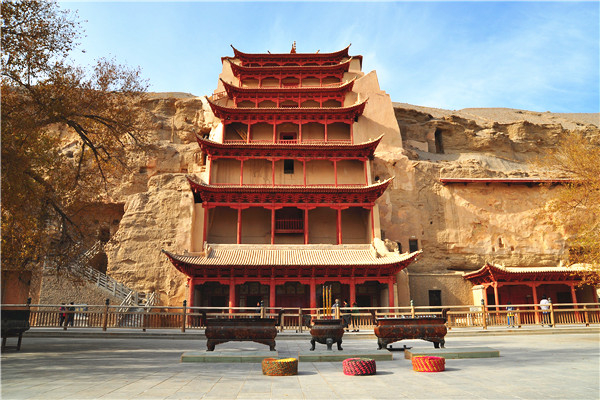
  • Mogao Grottoes, an artistic palace that integrates ancient architecture, sculpture, and murals, offers a profound glimpse into the depth and breadth of Buddhist culture.

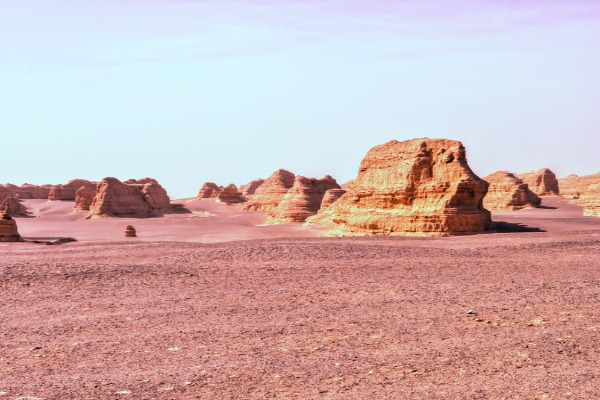
  • Yadan landforms: a spectacular desert wonder of breathtaking beauty and grand scale.

  • The Seven-Colored Danxia Landforms: a mountainous palette bestowed upon the world by the heavens, breathtaking and awe-inspiring to all.

Itinerary

Day1
Lanzhou
Embark on a breathtaking journey through Western China!

**Morning:**
Guests will independently fly to Lanzhou, a renowned city in Northwest China formerly known as “Jincheng.” Upon arrival, our professional service staff will greet you at Lanzhou Airport and transfer you to your hotel for check-in.

**Afternoon:**
Visit the Gansu Provincial Museum to gain a comprehensive understanding of the historical and cultural heritage of Gansu Province and the ancient Silk Road. These cultural attractions will enrich your travel experience and make Lanzhou a memorable highlight of your trip.

**Evening:**
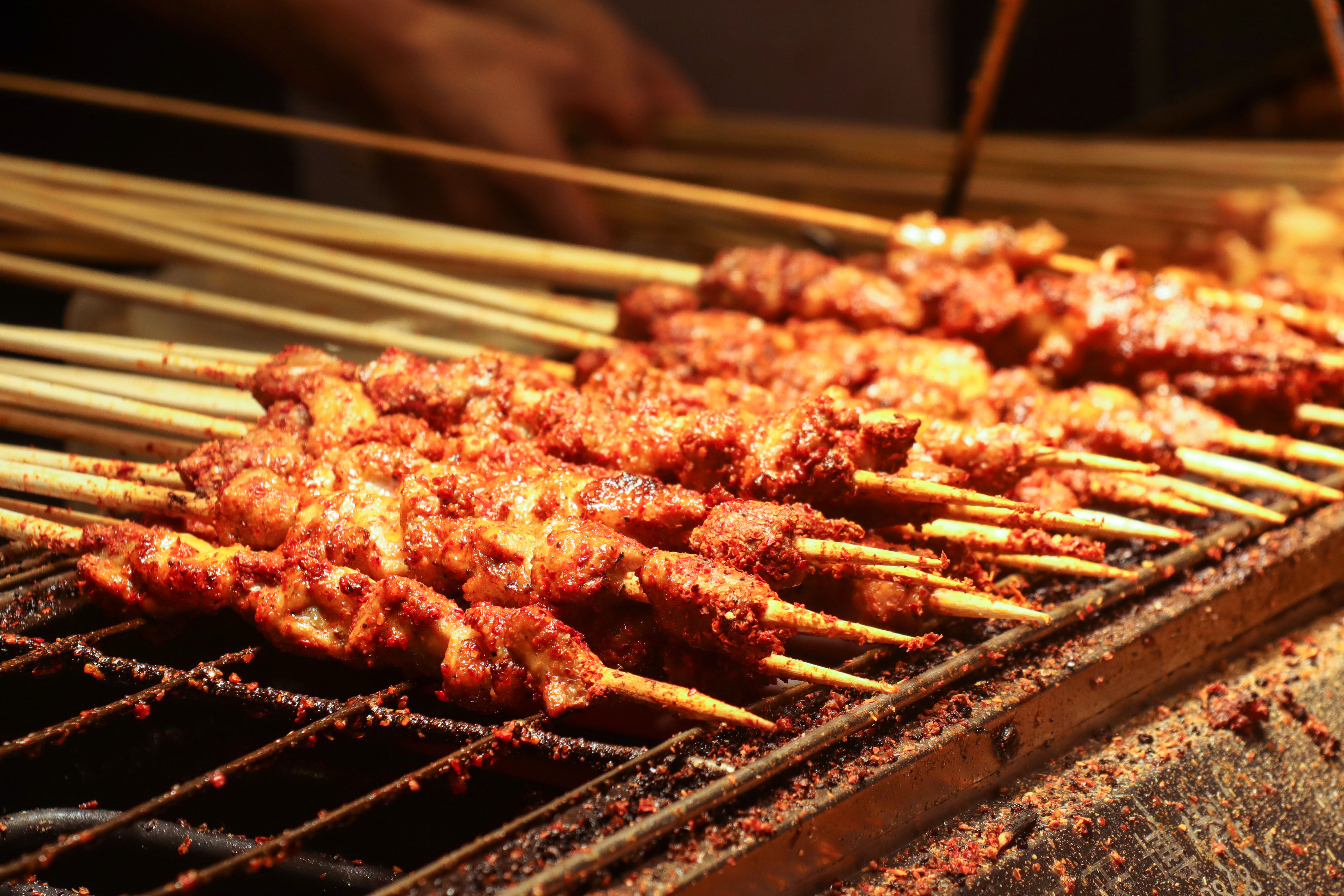
Head to Zhengning Road Snack Street to savor local delicacies. Recommended specialties include Ma Ye’s Milk and Egg Fermented Rice Dessert, Lanzhou Beef Noodles, and Niangpizi (cold wheat gluten sheets).

**Helpful Tips:**
1. Please double-check your carry-on luggage before departure and arrive at the airport at least 2 hours in advance to complete check-in procedures.
2. Gansu is located in the arid inland region of Northwest China. Be sure to bring sunscreen (SPF 50+), a windproof headscarf or scarf, a sun hat, and any necessary medications. We recommend avoiding excessive consumption of beef and lamb on your first night to prevent digestive discomfort, and staying well-hydrated by drinking plenty of water and eating fresh fruits.
1 Attractions
  • Gansu Province Museum

    Gansu Province Museum

    The largest museum in Gansu Province is rich in cultural relics, allowing a comprehensive understanding of the history and culture of various parts of Gansu and the ancient Silk Road. The Silk Road exhibition on the second floor is the essence of the whole museum. The treasure of the town hall,"Horse Stepping on the Swallow", and the picture bricks of the post emissary of China postal symbol are all here. The Buddhist museum displays Buddhist culture with different characteristics of the Han, Tibetan and Western Regions, as well as grotto art from Dunhuang, Tianshui and other places. It is also very exciting.

1 Experiences
  • Zhengning Road Snack Night Market

    Zhengning Road Snack Night Market

    Zhengning Road Snack Night Market is a night market that collects various local specialties in Lanzhou.

Day2
Lanzhou-Wuwei
Morning: After breakfast, take a vehicle to the Tiantishan Grottoes scenic area in Wuwei City. The journey takes approximately 3 hours.

Noon: Upon arrival near the scenic area, arrange your own lunch nearby. The Tiantishan region is renowned as China’s hometown of pepino melons (also known as “ginseng fruits”), and tasting them is highly recommended.

Afternoon: Visit the Tiantishan Grottoes, regarded as the origin of Chinese grotto art. The colossal Buddha statue sits majestically against the mountainside, with rippling turquoise waters at its feet and wisps of clouds wrapping around it, creating a breathtaking panorama where mountains, water, the Buddha, and clouds blend harmoniously into one spectacular scene.

[Helpful Tips]
As the morning involves a relatively long drive, guests are advised to bring along some snacks such as beef jerky, chocolate, mineral water, Snickers bars, etc.
1 Attractions
  • tiantishan grottoes

    tiantishan grottoes

    Tiantianshan Grottoes, also known as Liangzhou Grottoes, are commonly known as Dafo Temple. They are located in Dengshan Village, Zhangyi Town, 50 kilometers south of Liangzhou District, Wuwei City. They were built in Beiliang during the Sixteen Kingdoms period of the Eastern Jin Dynasty and have a history of about 1600 years. Tiantian Mountain has a towering peak and rugged road. It is difficult to climb and is shaped like a suspended ladder. Therefore, it is named Tiantian Mountain. The top of the mountain is covered with snow all year round, making it one of the eight scenic spots in ancient Liangzhou.

Day3
Wuwei-Zhangye
Morning: After breakfast, head to Wuwei city center to visit the Leitai Han Tomb, the excavation site of “Galloping Horse Treading on a Flying Swallow,” China’s official tourism symbol. Then drive to Zhangye, with a journey time of approximately 3 hours and 45 minutes.

Noon: Arrive in Zhangye. Lunch is at your own expense. We recommend trying local specialties such as Cuoyuzi (hand-rolled fish-shaped noodles), Mao’erduo (“cat’s ear” pasta), Yougao (fried glutinous rice cakes), Niurou Xiaofan (beef and small noodle soup), and Jirou Dian Juanzi (steamed buns topped with chicken).

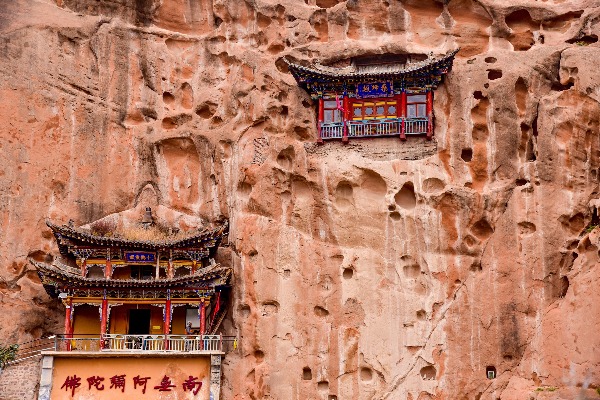
Afternoon: Visit Mati Temple (Horse Hoof Temple). The temple complex features both Han Chinese Buddhist monasteries and Tibetan Buddhist halls, along with numerous legendary and historical attractions, including the celestial horse’s hoof prints, Yuan Dynasty murals, and Buddha statues.
2 Attractions
  • leitai han tomb

    leitai han tomb

    A large-scale masonry tomb from the late Eastern Han Dynasty was discovered under the Lei Tai stage in October 1969. It is famous for the unearthed cultural relics and treasures and the bronze galloping horse, a symbol of China's tourism. Leitai was an ancient place where the Thunder God was sacrificed. It was named after the Leizu Temple built in the middle of the Ming Dynasty was built on an earthen platform about ten meters high. According to the inscription on the chest of the unearthed horse figurines, the Leitai Han tomb was the tomb of "Zhang Jun, the chief keeper of Zhangye", about 186-219 AD.

  • Malatya beige

    Malatya beige

    Matisi Scenic Area is located in Sunan Yugu Autonomous County, Gansu Province, 60 kilometers away from Zhangye City under Linshan Mountain. A grotto on the top of the mountain has deep horseshoe footprints left in it. History records the miracle of Tianma, from which the Majiao Temple was named. Known as a fairyland on earth, Matisi Scenic Area integrates grotto art, religious culture, ethnic customs and natural scenery. It is a national AAAA tourist area, a provincial scenic spot and a provincial forest park. The Matisi Grottoes are a national key cultural relics protection unit. The Grottoes were excavated during the Northern Liang period of the Sixteen Kingdoms and have a history of about 1600 years. They consist of Shengguo Temple, Puguang Temple, Thousand Buddha Cave, Upper, Middle and Lower Guanyin Cave and Jinta Temple. It consists of seven places, distributed in an area of more than 100 square kilometers. Some early shapes, statues and murals in grottoes such as Jinta Temple and Thousand Buddha Cave retain the characteristics and styles of ancient, upright, honest and simple. The magnificent "33 Days" is carved into the cliff in the shape of a pagoda on the 7-story Cave 21, which is amazing...

Day4
Zhangye-Jiayuguan
Morning: Visit the Zhangye Danxia National Geological Park, one of the most extensive and best-developed areas of Danxia landforms in China, featuring the richest variety of geomorphic formations. It is a quintessential example of China’s colorful Danxia landscapes.

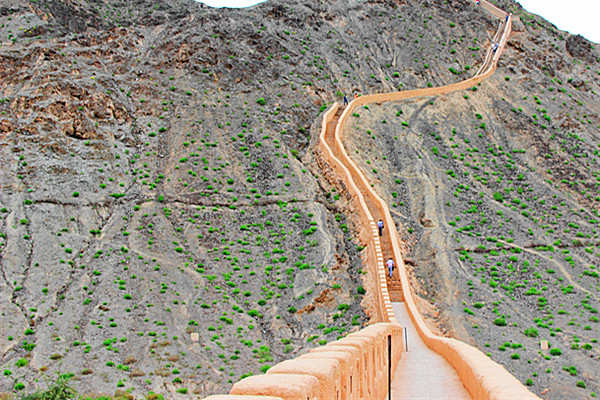
Afternoon: Drive to Jiayuguan (approximately 2 hours and 45 minutes). Upon arrival, tour the Jiayuguan Pass Tower. As the first major fortress at the western end of the Ming Great Wall, Jiayuguan was a vital transportation hub along the ancient Silk Road. Afterwards, visit the “Hanging Arm” section of the Great Wall. This part of the wall winds over black mountain ridges and steep cliffs; built along a ridge with an approximate 45-degree incline, it appears to hang suspended in midair, hence its name “Hanging Arm Great Wall.”

Helpful Tips:
Temperatures at the Zhangye Danxia landform area tend to rise significantly after noon. For your comfort, we recommend setting off early in the morning and bringing a light jacket to avoid catching a chill.
3 Attractions
  • Zhangye Colorful Danxia Scenic Area

    Zhangye Colorful Danxia Scenic Area

    The Qicai Danxia Scenic Area in Zhangye City features the most typical Danxia landforms developed in the arid regions of northern China. Its colorful hills are renowned for their vivid hues, interlaced stratification, majestic momentum, and spectacular vistas. The Wanxiang Tulin Valley Danxia Landscape Area boasts forest-like clusters of peaks that vary in density and are arranged in a harmonious, staggered pattern. With their extraordinary and seemingly supernatural shapes, these formations embody grandeur, peril, wonder, elegance, and serenity all at once.

  • Jiayuguan Pass Fortress

    Jiayuguan Pass Fortress

    The Jiayuguan Pass fortress is situated in the middle of the narrowest valley at Jiayu Pass, atop the highest peak of Jiayu Mountain. The walls extending from both flanks of the pass traverse desert and Gobi terrain, connecting northward for 8 kilometers to the Xuabi (Hanging Wall) section of the Great Wall at Heishan (Black Mountain), and southward for 7 kilometers to the “First Beacon Tower under Heaven.” As the western terminus and commanding stronghold of the Ming Dynasty’s Great Wall, it has long been regarded as the most strategic gateway in the Hexi Corridor.

  • xuanbichangcheng

    xuanbichangcheng

    The Hanging Wall is located on the northern slope of Montenegro on the north side of Shiguan Gorge Pass, 8 kilometers north of Jiayuguan Guancheng. It was built in the Ming Dynasty. The themes here are Ancient Silk Road Culture and Great Wall Culture. The Ancient Silk Road Cultural Corridor Area runs through the entire scenic area. The scenic area is divided into four functional areas, namely, Shiguan Gorge Ancient Silk Road Cultural Corridor Area, Hanging Wall Military Defense System Area, Leisure Resort Area, and Management Area. The flat parts of the Great Wall are like walking on flat ground, and the steep parts are like climbing cliffs, quite like the Badaling Great Wall. On the Great Wall, you can see the vast scenery outside the Pass.

Day5
Jiayuguan-Dunhuang
Morning: After breakfast, drive to Dunhuang (approximately 4 hours).

Afternoon: [Mural Copying Experience] Dunhuang clay panel art is a unique artistic form that originated from the Mogao Caves in Dunhuang, Gansu Province, China. It is a two-dimensional artwork crafted using materials such as clay and cellulose, based on the murals of the Dunhuang grottoes.

Evening: Watch the “Encore Dunhuang” performance, which revives and recreates the exquisite, naturally harmonious beauty of classical Oriental art found in the Mogao Cave murals, guiding audiences to rediscover the mystery and elegance of Dunhuang’s dance and music traditions.

[Helpful Tips]
1. The morning drive is relatively long; guests are advised to bring snacks and drinks (e.g., beef jerky, chocolate, bottled water, Snickers bars).
2. “Encore Dunhuang” offers Standard Seating and Premium Seating. Please confirm your preferred seating category when making your reservation.
2 Experiences
  • see Dunhuang again

    see Dunhuang again

    "Seeing Dunhuang Again" will reproduce the entire process of Mogao Grottoes from its opening to its prosperity, and then to the revelation of the mysterious veil of the thousand-year-old Mogao. Each interpretation space will reconstruct the connection point between today's people and history, take you through time and space, dream back to thousands of years, draw closer to history, and span ancient and modern times; let you feel the development process of Dunhuang for thousands of years, let you touch the dust of the divine domain of Dunhuang in the desert, and let you touch the inheritance and virtues of Dunhuang folk culture; watch performances while walking, see again while experiencing, visit the past and ask about the present, talk with the ancients, learn from the present, move forward, cut through time and space, and reproduce historical prosperity.

  • Experience of copying ancient methods of Dunhuang murals

    Experience of copying ancient methods of Dunhuang murals

    Dunhuang murals are the main part of Dunhuang art. They are huge in scale and superb in craftsmanship. They contain a remarkable aesthetic style of "sublime and elegant, symmetry and harmony, feminine and masculine, tragic and heroic, solemn and romantic". Under the explanation and guidance of professional teachers, we copy and color, and the completed works can be taken away.

Day6
Dunhuang
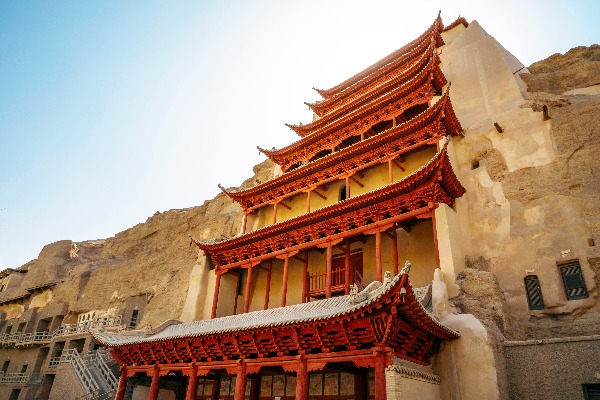
Morning: After breakfast, visit the Mogao Grottoes. Here you can personally experience the profound depth of Buddhist culture, as if traveling through time to the distant ancient past, marveling at the craftsmanship and wisdom of the ancients.

Afternoon: Visit Mingsha Mountain and Crescent Moon Spring, where you can admire the miraculous scenery of sand and spring coexisting—sand never buries the spring, and the spring never runs dry. Additionally, you may choose to participate in optional desert activities such as sand sliding, camel riding, and desert karting (at your own expense).

[Helpful Tips]

1. Important Notes for Visiting the Mogao Grottoes:
① The Mogao Grottoes scenic area implements a real-name reservation system for ticket purchases. Reservations can be made up to 30 days in advance.
② Daily visitor capacity is limited to 6,000 people. Group tours must strictly adhere to the reserved time slots. Therefore, the itinerary sequence may be adjusted according to the scheduled visiting time at the Mogao Grottoes. Your cooperation is appreciated!

A. Standard Reservation Visit Procedure:
Mogao Grottoes Parking Lot → Digital Exhibition Center (film viewing) → Shuttle bus to the grotto area (visit approximately 8 actual caves) → Photo stop at the Nine-Story Pagoda → Shuttle bus back → Return to parking lot.

B. Emergency Access Visit Procedure:
Mogao Grottoes Parking Lot → Shuttle bus to the grotto area (visit 4 actual caves) → Institute History Exhibition Hall (Former Residence of Chang Shuhong) → Photo stop at the Nine-Story Pagoda → Cultural Relics Conservation Exhibition Center (featuring 1:1 replicated caves) → Shuttle bus back → Return to parking lot.
(Note: The emergency plan does not include the Digital Exhibition Center; arrangements will depend on actual circumstances.)

Due to the reservation regulations of the Mogao Grottoes, we will adjust the Dunhuang segment’s sightseeing schedule based on the reserved ticket time.

2. Before entering the desert area, it is recommended to protect valuable items such as mobile phones and cameras from fine sand. Avoid wearing leather shoes or other footwear prone to collecting sand or having soles that may soften under high temperatures. Bring sunglasses, sun hats, drinking water, and other essentials.

3. Some activities within this scenic area involve higher risks. We recommend purchasing relevant travel insurance. Before departure, please carefully read all safety-related travel information. Pay attention to activity guidelines and safety notices posted within the scenic area.
2 Attractions
  • The mogao grottoes

    The mogao grottoes

    The Mogao Grottoes Scenic Area consists of two parts: the Mogao Grottoes Digital Display Center and the Mogao Grottoes. The Mogao Grottoes Digital Display Center will show short films about the Mogao Grottoes. The grottoes have been excavated for thousands of years and have a large number of murals, grottoes, cultural relics, etc. They are world-famous Buddhist art resorts. The artistic characteristics of the high grotto are mainly reflected in the clever combination of buildings, statues and Dunhuang murals, which vividly and harmoniously express the artistic styles of multiple dynasties.

  • The singing crescent lake scenic area

    The singing crescent lake scenic area

    Mingsha Mountain and Crescent Lake, where desert sands and spring waters coexist, are one of Dunhuang’s iconic landmarks. As the evening glow spills across the landscape, Mingsha Mountain seems draped in a shimmering golden veil, majestic and mysterious. The dunes stretch endlessly in rolling waves, with golden-brown light and shadow flowing across their surfaces, as if whispering tales of the vastness and profundity of the great desert.

Day7
Dunhuang
Morning: Travel by vehicle to the Yadan Devil City (Yardang Ghost City), with a driving time of approximately 2 hours and 30 minutes. After passing through landscapes shaped by wind erosion, you will uncover the mystery of natural oil paintings left behind from 6 million years ago.

Afternoon: Return to Dunhuang, experiencing the desolate yet awe-inspiring history and culture of the Silk Road along the way, while appreciating the unique charm of the Gobi Desert. En route, stop at the Jade Gate Pass (Yumen Guan) for group photos.

Evening: You may choose to visit Shazhou Market’s Baiwei Street in Dunhuang on your own to savor local delicacies such as donkey meat with yellow noodles, roasted lamb chops, and lamb skewers. Alternatively, take a stroll along the Danghe River Scenic Area to observe the leisurely lifestyle of locals.

[Helpful Tips]
1. Both Yumen Guan and Yadan are located in the Gobi Desert, where the air is dry, sunlight is intense, and sandstorms are common. Please prepare sufficient drinking water and protective gear against sun exposure and sand before visiting.
2. Due to the long driving distance today, it is recommended that guests bring some dry snacks (e.g., beef jerky, chocolate, mineral water, Snickers bars, etc.).
2 Attractions
  • Yadan geological park

    Yadan geological park

    Yadan National Geopark is also called Yadan Devil City. Because there are magnets on the ground, the compass does not work here. The park is dominated by large areas of unique Yadan landforms, which look magical and spectacular on the Gobi Desert. The sun shines in the west every evening, making it a wonderful place for photography. After night fell, the sharp wind made a terrible roar, like thousands of wild beasts roaring, which was chilling, and hence the name "Devil City".

  • yumenguan

    yumenguan

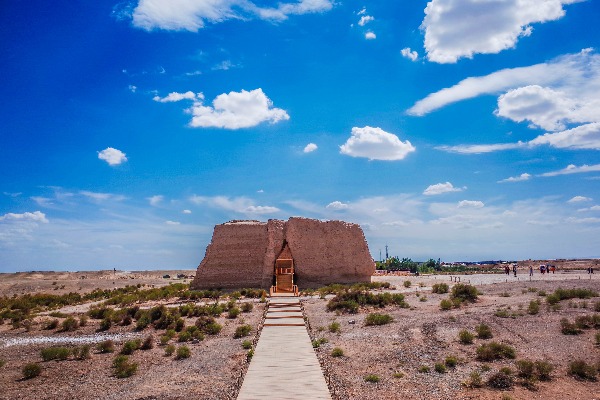
    Yumen Pass, also known as Xiaofangpan City, prospered with the prosperity of the Silk Road. It was once a must-pass for merchants from the Western Regions and people from the Central Plains. Hetian Meiyu was imported into the Central Plains from here since ancient times, hence the name. After thousands of years of erosion, Yumen Pass has long lost its appearance. Now Yumen Pass seems to be a relic of a rammed earth pile.

1 Experiences
  • Shazhou Night Market

    Shazhou Night Market

    Shazhou Night Market is an important tourist attraction on the Dunhuang tourist route. It is located on Yangguan East Road in Dunhuang City and is the largest night market in Dunhuang City. For its distinctive local characteristics and rich folk customs, it is known as Dunhuang's "Night Scene Map" and "Style Painting". The night market is divided into five major business areas: flavor snacks, handicrafts,"Sanpaotai" teahouse, and agricultural and sideline products.

Day8
Dunhuang
Airport transfer will be arranged according to your return flight schedule, marking the end of your wonderful journey through Northwest China.