• loading.......

[Understanding China at three speeds·Beijing, Shanghai, East China 10th] Tiananmen Square + Forbidden City + Badaling Great Wall + tricycle tour Hutong + Qinhuai River Cruise + Geyuan + Yuyuan + Slender West Lake + Beijing-Hangzhou Grand Canal Museum + West Lake + Songcheng Eternal Love Performance + Huangpu River Cruise + Beijing Roast Duck + Old Beijing Shabu Pork + Jinling Sixteen-Course Snacks + Yangzhou Morning Tea

Destination Place

Beijing

Travel Days

10 days

Highlights

  • One-stop unlocking the northern imperial city, Jiangnan gardens, ancient water towns, and international cities

  • In-depth experience of hutong tours, rowing boats and intangible cultural heritage dyed cloth, and immerse yourself in local culture

  • Taste Chinese delicacies such as Quanjude and Yangzhou Morning Tea, and enjoy a tongue-tip feast

Itinerary

Day1
Beijing
[Pre-trip Introduction] From the glazed tiles of the Forbidden City to the misty and rainy towers of the West Lake, from the majestic at the foot of the Great Wall to the sound of oars and lights in the Wuzhen Water Town. In 10 days, we used three speeds to understand China: the thickness of Beijing (the speed of walking), the exquisiteness of Jiangnan (the speed of boat travel), and the modernity of Shanghai (the speed of development).
Exclusive pick up, first meeting Beijing
Arrived at Beijing Airport by flight today, and the exclusive staff picked up the plane and took it to the hotel for rest. As the thousand-year-old capital of China, Beijing is the first stop on this journey. Here, you will be the first to experience the profound historical heritage of China and the atmosphere of northern cities.
Day2
Beijing
Central Axis of Huangcheng·Hutong Fireworks
In the morning, we went to Tiananmen Square, one of the largest city squares in the world, to visit the exterior scenes of Tiananmen Square, the Monument to the People's Heroes, the Great Hall of the People, and the Chairman Mao Memorial Hall. Then we went to visit the Palace Museum and visited the Royal Palace where the Ming and Qing emperors lived. It is known as one of the five largest palaces in the world and listed as a "World Cultural Heritage" by the United Nations Educational, Scientific and Cultural Organization. In the afternoon, go to Shichahai, take a human tricycle to tour the old Beijing Hutongs, and visit the native courtyard houses. In the evening, stroll through Nanluogu Lane, one of the oldest hutong neighborhoods in Beijing. It retains the traditional street texture of old Beijing. Special shops on the street, traditional snacks, and market fireworks blend together to intuitively experience the life of ordinary people in old Beijing. breath and authentic Beijing-style culture. Try Beijing Roast Duck for dinner.
4 Attractions
  • Tian'an men Square

    Tian'an men Square

    One of the largest squares in the world, Tian 'anmen Square is located on the traditional central axis of Beijing. It is composed of two parts: the gate tower and the gate tower. It is the most outstanding representative of ancient Chinese city gates and the symbol of the People's Republic of China.

  • The Forbidden City

    The Forbidden City

    The Palace Museum, also known as the Forbidden City, is the most complete and largest wooden structure of ancient buildings in China and even the world, known as "the first of the world's five great palaces". The Forbidden City has a large collection of precious cultural relics, according to statistics, there are millions of pieces, accounting for one sixth of the total number of cultural relics in China. Watch demonstrations are held daily at 11:00 and 14:00 in the Clock Hall, which is not to be missed.

  • Shichahai Scenic Area

    Shichahai Scenic Area

    Shichahai is an open scenic spot in Beijing with the flavor of old Beijing. It consists of three connected lakes: Qianhai, Houhai and Xihai. It has a large lake surface and is known as the "Water Town of the North." Not only are there beautiful lakes and mountains here, but a large number of historical relics are also preserved here.

  • Nanluogu Xiang

    Nanluogu Xiang

    Nanluogu Lane is listed among 25 old city reserves, with a total length of 786 meters. It is one of the oldest neighborhoods in Beijing. It is the only checkerboard traditional residential area in my country that has completely preserved the Yuan Dynasty Hutong courtyard structure. It has the largest scale, highest grade and the richest resources. Nowadays, there are personalized shops with ever-changing styles, various exquisite and fashionable private shops, and the combination of old Beijing alleys and petty bourgeoisie atmosphere to become a fashion landmark in Beijing. If you want to experience the customs of old Beijing in peace, you can search in the several alleys on both sides. The many famous former residences and historical buildings will definitely make you feel like you can.

2 Experiences
  • Tricycles Hutong Tour

    Tricycles Hutong Tour

    Hutongs are a cultural feature of Beijing. Take a tricycle to shuttle through the hutongs to experience the flavor of old Beijing (the feelings of old people, explore the past of famous people deep in the hutongs).

  • quanjude roast duck

    quanjude roast duck

    Through continuous innovation and development, Quanjude cuisine has formed a Quanjude cuisine with the unique Quanjude roast duck as the leader and integrating "whole duck seats" and more than 400 special dishes. It has been well received by heads of state, government officials, People from all walks of life and domestic and foreign tourists are loved by it, and are known as "the first food in China." Zhou Enlai, former Premier of the People's Republic of China, has repeatedly selected Quanjude's "All Duck Seat" as a state banquet.

Day3
Beijing
Changcheng Xiongguan·Royal Garden
In the morning, go to the Badaling Great Wall and climb the Badaling Great Wall to experience the world-famous Great Wall for yourself; in the afternoon, visit the Summer Palace and admire the large royal gardens, lakes and classical pavilions. Taste old Beijing hotpot for dinner.
2 Attractions
  • Badaling Great Wall

    Badaling Great Wall

    The Badaling section of the Great Wall of the Ming Dynasty is called the "Yuguan Tianchu" and is one of the eight scenic spots of Juyong Pass in the Ming Dynasty. The Badaling Great Wall was the earliest section of the Great Wall opened to tourists in the Ming Dynasty. The Badaling Scenic Area is dominated by the Badaling Great Wall. It has built modern tourist service facilities with complete functions such as the Badaling Hotel and the China Great Wall Museum personally named by Chairman Jiang Zemin

  • Summer Palace

    Summer Palace

    The Summer Palace is a gem of the Qing Dynasty royal gardens and is located in the western suburbs of Beijing. It is based on Kunming Lake and Wanshou Mountain, takes advantage of the mountains of the West Mountain, and combines the beauty of Jiangnan gardens with the majestic mountains and rivers of the north. It is known as the "Royal Garden Museum". This landscape garden is not only the peak of architectural art, but also carries the royal story of three hundred years. Walking through it, you feel like walking among poetry and paintings.

1 Experiences
  • South Gate Shabu

    South Gate Shabu

    Recommended dishes: freshly cut sheep tendons, fat beef, freshly cut ingot meat, sesame cakes

Day4
Nanjing-Beijing
Going to Jinling, Qinhuai lanterns shadow
In the morning, we will drop off the plane in Beijing, take a flight to Nanjing, and arrive in Nanjing to pick up the plane by special car. In the afternoon, visit the [Nanjing Presidential Palace] to learn about the history of modern China. It is a large-scale and relatively well-preserved architectural complex among the modern architectural relics of China, and it is also one of the main representatives of Nanjing architecture; in the evening, visit the [Confucius Temple Street], where thousands of red lanterns are lit up along the river, and the lights reflect the river. Take a cruise ship to tour the Qinhuai River at night to feel the lights of the ancient city. For dinner, enjoy the 16-course snacks of the Ming Tombs.
2 Attractions
  • The presidential palace in nanjing

    The presidential palace in nanjing

    The Presidential Palace is located at No. 292 Changjiang Road, Xuanwu District, Nanjing City. In the Qing Dynasty, it was divided into Jiangning Weaving Bureau, Jiangnan Governor Office, and Liangjiang Governor Office. It was also used as a palace during the southern tour of Emperor Kangxi and Qianlong of the Qing Dynasty. In 1853 (the third year of Xianfeng of the Qing Dynasty), the Taiping Rebellion established Tianjing (now Nanjing) and expanded into Tianwang Mansion on this basis. When he came back, the Hunan Army captured Tianjing and set fire to Tianwang Mansion, leaving only some buildings. On January 1, 1912 (the first year of the Republic of China), Sun Yat-sen was sworn in as interim president here. It was also built into the Presidential Palace, and later became the Presidential Palace of the Nanjing National Government. It has been opened as the Museum of Modern History of China and is a national key cultural relic protection unit.

  • Confucius Temple Qinhuai River Scenic Belt

    Confucius Temple Qinhuai River Scenic Belt

    The Confucius Temple Qinhuai Scenic Belt refers to the Qinhuai River area centered on the Confucius Temple, including the streets and alleys, residential buildings on both sides of the Taiwan Strait and nearby historic sites and scenic spots. This area has been one of the more prosperous places in Nanjing since ancient times, and it is also a must-visit place for many tourists when they come to Nanjing. Not only can you see the historical buildings of Nanjing, the ancient capital, but you can also eat authentic Qinhuai snacks here. Here you can go deep into the streets or rafting on the Qinhuai River to experience the local customs and customs along the river from different perspectives. Colorful lights are lit up everywhere in the scenic area at night, which is extremely glorious."Staying in Qinhuai at night" is even more wonderful.

2 Experiences
  • Qinhuai River Cruise

    Qinhuai River Cruise

  • Jinling Sixteen Snacks

    Jinling Sixteen Snacks

    Jinling snacks, also known as Nanjing snacks, rank first among the four major snacks in China. They have a long history, unique flavors, and a wide variety. They have been circulated for more than a thousand years since the Six Dynasties, with more than a hundred varieties. Famous snacks include meat, vegetarian, sweet and salty, and come in different forms.

Day5
Nanjing-Yangzhou
The Ancient Capital of Fraternity·Overture of Huaiyang
After breakfast, go to [Zhongshan Scenic Area] to visit Sun Yat-sen Mausoleum, Music Platform, and Meiling Palace to experience Nanjing's classic cultural landscape; after the tour, take a bus to Yangzhou and visit [Geyuan] in the evening to admire the exquisite Jiangnan salt merchants 'private gardens.
5 Attractions
  • Zhongshan Scenic Area-Mingxiaoling

    Zhongshan Scenic Area-Mingxiaoling

    In the Zhongshan Scenic Area is the tomb of Zhu Yuanzhang, the founder of the Ming Dynasty, and Queen Ma. It is magnificent and one of the largest imperial mausoleums in ancient China. It took 38 years to complete the Xiao Mausoleum of the Ming Dynasty, which opened the regulations for the tombs of emperors in the Ming and Qing dynasties. Only the last part of the cemetery exists. The overall layout of the cemetery is magnificent and highly skilled. In particular, the Shinto of Xiaoling Mausoleum of the Ming Dynasty is 2400 meters long and has deep twists and turns.

  • Sun Yat-sen mausoleum

    Sun Yat-sen mausoleum

    Sun Yat-sen Mausoleum is the tomb of Dr. Sun Yat-sen, the great pioneer of modern democratic revolution in China, and its affiliated commemorative buildings, covering an area of more than 80,000 square meters. Sun Yat-sen Mausoleum started construction in the spring of 1926 and was completed in the summer of 1929. In 1961, it became the first batch of national key cultural relics protection units. In 2006, it was listed as the first batch of national key scenic spots and national AAAAA tourist attractions.

  • bandstand

    bandstand

  • Meiling Palace

    Meiling Palace

  • geyuan

    geyuan

    Geyuan is located at No. 10 Yanfu East Road in the northeastern corner of Yangzhou. It is a national key cultural relic protection unit and one of the four famous parks in China. The whole park is divided into a central garden, a southern residence, and a northern variety of bamboo viewing area, covering an area of 24000 square meters. Because the owner loves bamboo and the bamboo leaves are shaped like the word "ge", it is named "Geyuan". Geyuan is famous for its stacked stone art. The rockery of bamboo shoots, lake stones, yellowstone, and suitable stones in the four seasons of spring, summer, autumn and winter integrates the rules of gardening with the principles of landscape painting. It has been praised by Mr. Chen Congzhou, the master of the garden, as an "isolated case in China." In 2005, Geyuan was praised as a national AAAA scenic tourist area and one of the 20 key parks in the country.

Day6
Yangzhou
Poetry and Painting Huaiyang·Canal Culture
Taste the authentic [Yangzhou Morning Tea] in the morning and experience the calm and elegant aesthetics of life in Jiangnan water towns. Visit the [Slender West Lake], stroll through the water gardens, walk along the river to enjoy the natural beauty, or walk into the pavilions and pavilions to taste the poems, paintings and ink treasures of literati and literati of past dynasties. Then go to the [China Grand Canal Museum] to learn about the development history of the millennium canal. Take a cruise ship and immerse yourself in the prosperity of water transportation and the poetry of Yangzhou's thousand-year-old water city.
2 Attractions
  • West lake

    West lake

    Slender West Lake, formerly known as Baoshan Lake, is located in the west and northern suburbs of Yangzhou City, Jiangsu Province, with a scenic area of 33.66 square kilometers. Due to the silting of the lake center, salt merchants funded the dredging of the lake, and later changed its name to Slender West Lake by a scholar. Slender West Lake has formed a basic pattern during the Kangxi and Qianlong periods of the Qing Dynasty, and is known as "the prosperity of gardens and the best in the world." Slender West Lake is mainly divided into 14 major attractions, including Wuting Bridge, Twenty-Four Bridge, Lotus Pond, Diaoyutai, etc. In 1988, it was listed by the State Council as a "National Key Scenic Area with Important Historical and Cultural Heritage and Yangzhou Garden Characteristics". In 2010, it was awarded the National AAAAA Scenic Spot.

2 Experiences
  • Yangzhou morning tea

    Yangzhou morning tea

  • Yangzhou section of the Beijing-Hangzhou Canal

    Yangzhou section of the Beijing-Hangzhou Canal

    The Yangzhou section of the Canal is the oldest section of the Grand Canal. The water quality of the ancient canal in Yangzhou is clear and passes through the city. There are many historical sites along the coast, and the local customs and customs are unique and interesting.

Day7
Yangzhou-Hangzhou
West Lake Dream Quest·Songcheng Feast
After breakfast, drive to Hangzhou. After arriving, stroll through the [West Lake] and take a special rowing boat to enjoy the lake view; at night, watch the must-see live performance of a lifetime-[Eternal Love of Song City] to immersively experience the ancient Jiangnan stories.
2 Attractions
  • The west lake

    The west lake

  • Hangzhou songcheng

    Hangzhou songcheng

2 Experiences
  • "Songcheng Eternal Love" is a three-dimensional panoramic large-scale song and dance set created by Hangzhou Songcheng Tourism Development Co., Ltd., with the highest prize in dance, Lotus Award. The play is based on Hangzhou's historical allusions, myths and legends, integrates world song and dance, and acrobatic art, uses modern high-tech means to create a dreamy artistic conception, and uses unexpected presentation to perform the hardships of the ancients in Liangzhu, the Song Palace. The glory, the tragedy of the Yue Jiajun, and the immortal song of Liang Zhu and Xu Xian, vividly express silk, tea and the misty rain of Jiangnan, giving people a strong visual shock. Since its launch, the large-scale song and dance "Song City Eternal Love" has been performed more than 15000 times, receiving 43 million visitors. Every year, 6 million tourists compete to watch it. It is currently the theater performance with the largest number of performances and the largest audience reception in the world every year. It has been praised by overseas media as one of the "three famous shows in the world" alongside the "O" Show in Las Vegas and the "Moulin Rouge" in France.

  • West Lake rowing boat

    West Lake rowing boat

    The West Lake rowing boat is the oldest and most leisure way to visit the West Lake. When the boatman is driving, the rowing boat rocks very rhythmically. It looks crisp and neat, never sloppy, and its movements are very sophisticated and skillful. Raring a rowing boat on the West Lake is a beautiful scenery.

Day8
Hangzhou-Wuzhen
Hand-made experience with people sleeping under water
After breakfast, go to [Wuzhen Water Town], known as the last water-pillow-water house in China, is the most classic ancient town in Jiangnan. Go to the "Natural Nature of Grass and Wood Dyeing Workshop" to experience the intangible cultural heritage of blue calico; visit the "Zhaoming Academy" to read a passage of the cultural context of the Six Dynasties, and the "Shuxin Art Museum" to see the dialogue between contemporary art and the water town.
4 Attractions
  • wuzhen

    wuzhen

    Wuzhen is located at the northern end of Tongxiang City, on the west side of the Beijing-Hangzhou Grand Canal, on the west side of Huzhou City, and on the north side of Wujiang County, Jiangsu Province. It is the junction of two provinces and three cities. As one of the first batch of famous historical and cultural towns in China, the top ten charming towns in China, a national town with beautiful environment, and a national 5A-level scenic spot, Wuzhen is known as "China's last water-resting family."
  • Natural nature dyeing workshop (Xizha)

    Natural nature dyeing workshop (Xizha)

1 Experiences
  • Experience blue calico

    Experience blue calico

    Blue calico has a long history. Among many traditional folk crafts in my country, blue calico is a masterpiece, and Wuzhen is one of the origins of blue calico. Experience blue calico and feel its charm.

Day9
Wuzhen-Shanghai
Magic City Shengjing Bund Neon
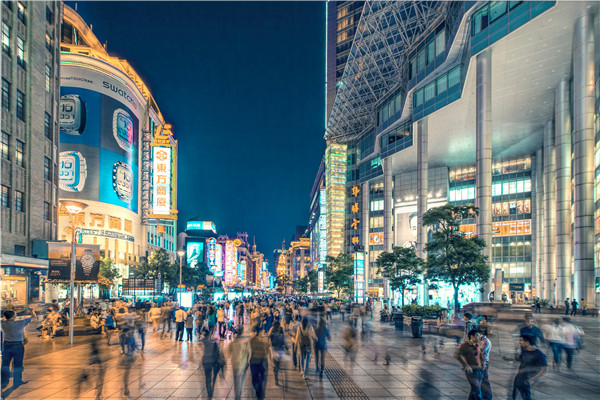
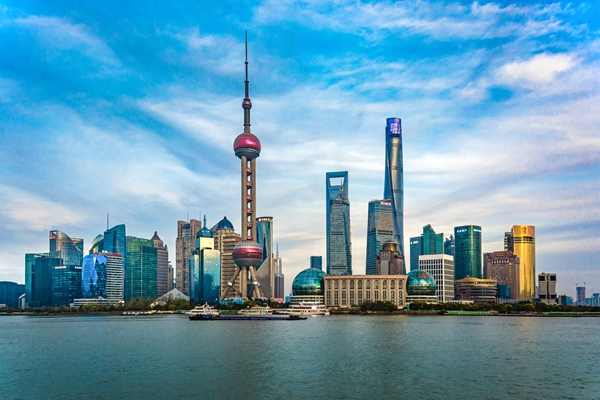
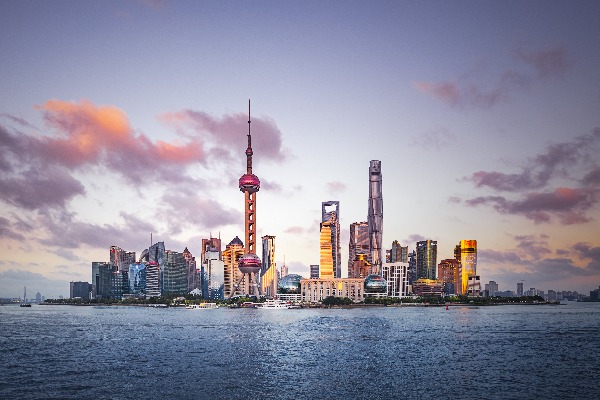
After breakfast, take a bus to Shanghai; stroll through [Nanjing Road Pedestrian Street], which is the most popular and busiest commercial street in Shanghai. It gathers various department stores and brand flagship stores, with rich and diverse products, covering many internationally renowned brands. There are also many time-honored gourmet shops in Shanghai. Arrive at the [Bund] to admire the architectural complex of all countries;[Climb the Oriental Pearl] to overlook the city skyline of Lujiazui; and in the evening, take the [Huangpu River Cruise] to enjoy the bright night scenery on both sides of the Taiwan Strait.
4 Attractions
  • The Bund

    The Bund

    The Bund is located on the bank of the Huangpu River in the central Huangpu District of Shanghai City. It is one of the most symbolic attractions in Shanghai. It is 1.5 kilometers long and walks from south to north. On the left side is the wide Zhongshan East 1st Road, with dozens of foreign buildings with different styles lined up on the roadside. Close to Shanghai's mother river, the Huangpu River, giant ships shuttle through the river, and on the other side of the river stand skyscrapers such as Jinmao Tower and the World Financial Center. At night, neon lights are shining on both sides of the Pujiang River, making it suitable for walking on the Bund with your lover and feeling the charm and romance of the "City that Never Sleeps".

  • lujiazui

    lujiazui

    Lujiazui is located on the bank of the Huangpu River in Pudong New District, opposite the Bund across the river. It is the leading financial business district at home and abroad and is now the most charming place in Shanghai. Bringing together high-rise buildings such as the Oriental Pearl, Shanghai International Convention Center, and World Financial Center, the numerous skyscrapers make people feel like they are in an urban forest. At night, standing on top of high-rise buildings and overlooking the brightly lit night view, you will feel the modernity of a first-tier city more. This is a place where fashionistas gather, various international brands, and a good place for shopping.

  • Nanjing Road

    Nanjing Road

  • The Oriental pearl tower

    The Oriental pearl tower

1 Experiences
  • Huangpu River Cruise

    Huangpu River Cruise

    Take a cruise ship to the Huangpu River, and you can see the bustling scenery along the river.

Day10
Shanghai
Searching for ancient times in the old city·Returning by plane
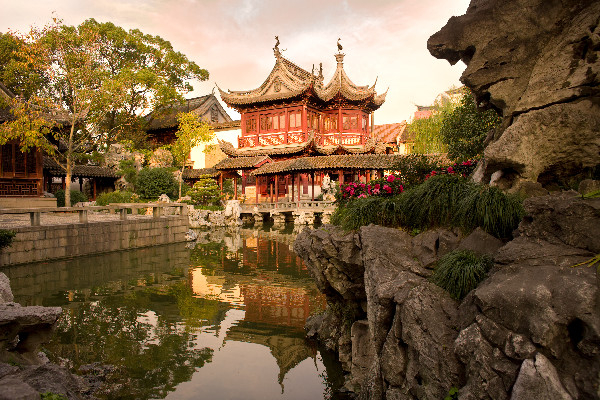
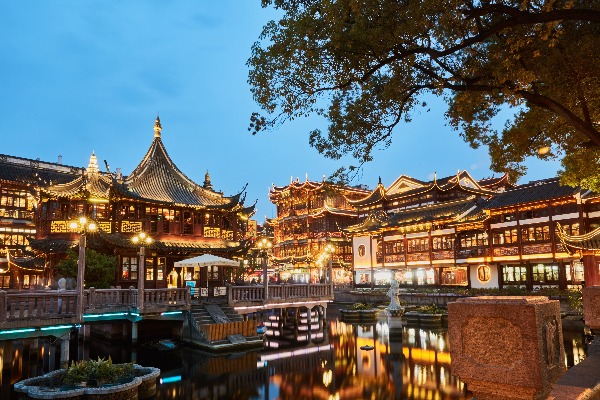
Visit [Yu Garden]. Yu Garden is the most complete existing classical Jiangnan garden in Shanghai. It has a history of more than 400 years. It has small bridges, flowing water, pavilions, and rockery corridors, perfectly presenting the elegant aesthetics of Chinese gardens. After that, the [City God Temple] business district is an old folk district in Shanghai, gathering Jiangnan specialty snacks and traditional handicrafts to experience Shanghai's authentic market fireworks. Go to the airport according to the flight time and drop off by special car to complete the journey successfully.
2 Attractions
  • Yuyuan Garden

    Yuyuan Garden

  • Chenghuang Temple

    Chenghuang Temple

    Shanghai City God Temple is located in the City God Temple Tourist Area in the center of Shanghai City. It is also called the Old City God Temple. It is a famous Taoist temple in Shanghai. Most of the tourists who come to the Chenghuang Temple Tourist Area come here because of the snacks and Yu Garden. However, they don't know that there is a Taoist temple in the south of Yu Garden that takes peace in the middle of the city. Moreover, it is a historic holy place for praying, where you can feel the local religious culture.