
Beijing, Shanghai, Guangzhou or Hong Kong/Transit City Gather on a flight from Beijing, Shanghai, Guangzhou or Hong Kong and transfer to Brazil via the transit city.
[Antarctic Nansen/Amundsen] Brazil + Argentina + Antarctic + Uruguay + Chile + Peru 34-day adventure journey
Destination Place
Istanbul
Travel Days
21 days
Highlights
Exploration of the secrets of Brazil, Argentina, Uruguay, Chile, and Peru + in-depth exploration of the Antarctic
100% sea view room, enjoy the beautiful scenery anytime, anywhere
The two countries enjoy the world's widest waterfall, walk into the sky city of Machu Picchu, and pay a visit to the Inca Holy City
Itinerary
Day1
Beijing-Istanbul
1 Experiences

aircraft
Take a plane to your destination.
Day2
Buenosaires-Istanbul
Transit city-Sao Paulo will pick up the plane upon arrival, check into the hotel after dinner to rest.
1 Experiences
aircraft
Take a plane to your destination.
Day3
Buenosaires
Buenos Aires
After breakfast, the "Cologne Theater", one of the three major theaters in the world, and the "79th Avenue and the Obelisk" are the most important urban indicators and are said to be the widest road in the world; Visit the Congressional Square and Plaza de Mayo, one of the three famous squares in the capital Buenos Aires, as well as the colonial City Hall and the neoclassical style of the Buenos Aires Cathedral, and then visit the Presidential Palace, Argentina's highest administrative command center and one of the most historically commemorated buildings in Argentina. Because its exterior walls are painted pink, it is also known as the "Casarosada". After lunch, visit the "El Ateneo Bookstore". Argentina's time-honored bookstore chain has been rated as "the second most beautiful bookstore in the world." This century-old building was originally the Opera House (Teatro Gran Splendid), and was later transformed into El Ateneo Bookstore. When you come to the bookstore, you stand on the first floor and look up. The surrounding lights illuminate the bookstore with a magnificent and beautiful look. Coupled with the simple and quiet atmosphere, the environment is elegant and the atmosphere is excellent. The sculptures and murals in the bookstore are all made by famous teachers, and it feels like walking into a royal library. After finishing, check into the hotel to rest. Adjust the time difference to prepare for the next day's Antarctic cruise.
After breakfast, the "Cologne Theater", one of the three major theaters in the world, and the "79th Avenue and the Obelisk" are the most important urban indicators and are said to be the widest road in the world; Visit the Congressional Square and Plaza de Mayo, one of the three famous squares in the capital Buenos Aires, as well as the colonial City Hall and the neoclassical style of the Buenos Aires Cathedral, and then visit the Presidential Palace, Argentina's highest administrative command center and one of the most historically commemorated buildings in Argentina. Because its exterior walls are painted pink, it is also known as the "Casarosada". After lunch, visit the "El Ateneo Bookstore". Argentina's time-honored bookstore chain has been rated as "the second most beautiful bookstore in the world." This century-old building was originally the Opera House (Teatro Gran Splendid), and was later transformed into El Ateneo Bookstore. When you come to the bookstore, you stand on the first floor and look up. The surrounding lights illuminate the bookstore with a magnificent and beautiful look. Coupled with the simple and quiet atmosphere, the environment is elegant and the atmosphere is excellent. The sculptures and murals in the bookstore are all made by famous teachers, and it feels like walking into a royal library. After finishing, check into the hotel to rest. Adjust the time difference to prepare for the next day's Antarctic cruise.
3 Attractions
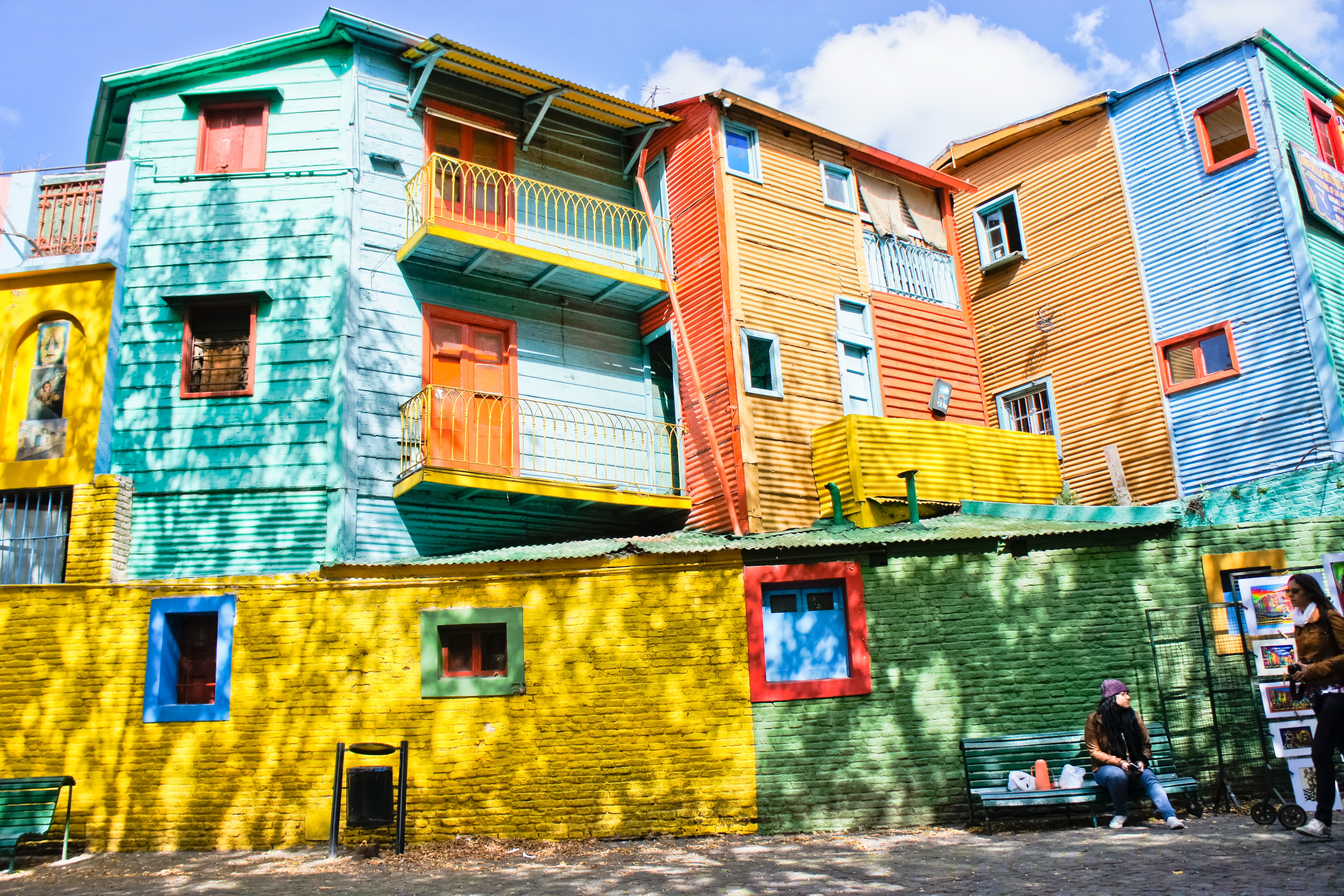
La Boca
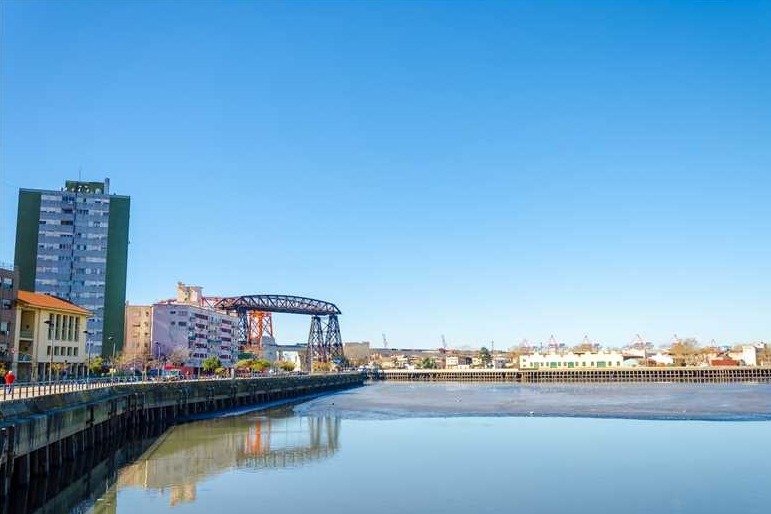
La boca
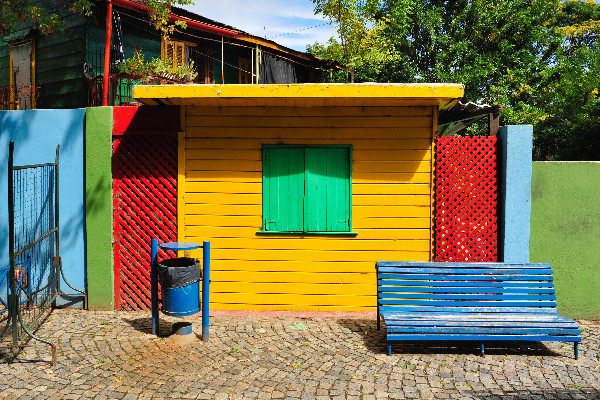
El Caminito
Day4
Buenosaires-Ushuaia-Cruise
After breakfast in Buenos Aires/Ushuaia, take the bus arranged by the ship to the airport, and take the ship's charter flight to Ushuaia, the southern tip of the world, to start an Antarctic adventure. After arriving in Ushuaia, based on the charter flight, the ship will arrange a tour of Tierra del Fuego Park and go to the dock to board the ship in the afternoon. After boarding, accompanied by a welcome drink, the expedition leader will give a boarding briefing, and all tourists must participate in exercises on life safety at sea required by the Maritime Administration. In the evening, we ate comfortably amidst the spectacular scenery, and the captain slowly sailed into the Beagle Channel. The boarding time is expected to be around 15:00-16:00 local time. Tierra del Fuego National Park in Argentina is the southernmost national park in the world. It is located in the Patagonian Forest and Andes Ecological Zone in Argentina. It is part of the sub-Antarctic forest and covers an area of 630 square kilometers. It was established on October 15, 1960 under Decree No. 15554, and the park area was expanded in 1966. It is also the first coastal national park established in Argentina. The park has a magical nature reserve, pristine natural landscapes, lakes, streams, forests and coasts, all of which can be viewed until BAHIAAPATAIA, the true end of the world. Explanation: The Tierra del Fuego Park tour is a gift from the shipping company. If the event cannot be arranged as scheduled due to flight reasons, please understand!
1 Attractions

Parque Nacional Tierra del Fuego

Day5
Cruise-Antarctic peninsula-Cruise
The Drake Strait spans the world-famous Drake Strait, and you can enjoy lectures on the ship or observe wildlife on deck to prepare for the next Antarctic surprise. Through the Drake Strait, a famous waterway located between the South American continent and the Antarctic Peninsula, about 600 nautical miles south, ice floes, icebergs, seabirds, and whales will gradually be discovered. During your journey across the sea to the Antarctic, lectures on Antarctic history and wildlife will be held on board, and you will receive a comprehensive travel guide to this fragile environment. The Antarctic Treaty not only keeps the continent away from the military, but also covers the various norms governing activities here. We have always adhered to these principles to ensure that fragile environments are not disturbed. The lectures on board also help with this, allowing you to benefit a lot from these experiences. In addition, the ship will also issue assault jackets and collect borrowed landing boots. In order to avoid the impact of alien species on the Antarctic environment, dust removal activities are arranged on cruise ships in a timely manner: thoroughly clean and inspect clothing, inspect all clothing, including pockets, seams, velcro and soles, to remove dust and organic matter.
1 Attractions
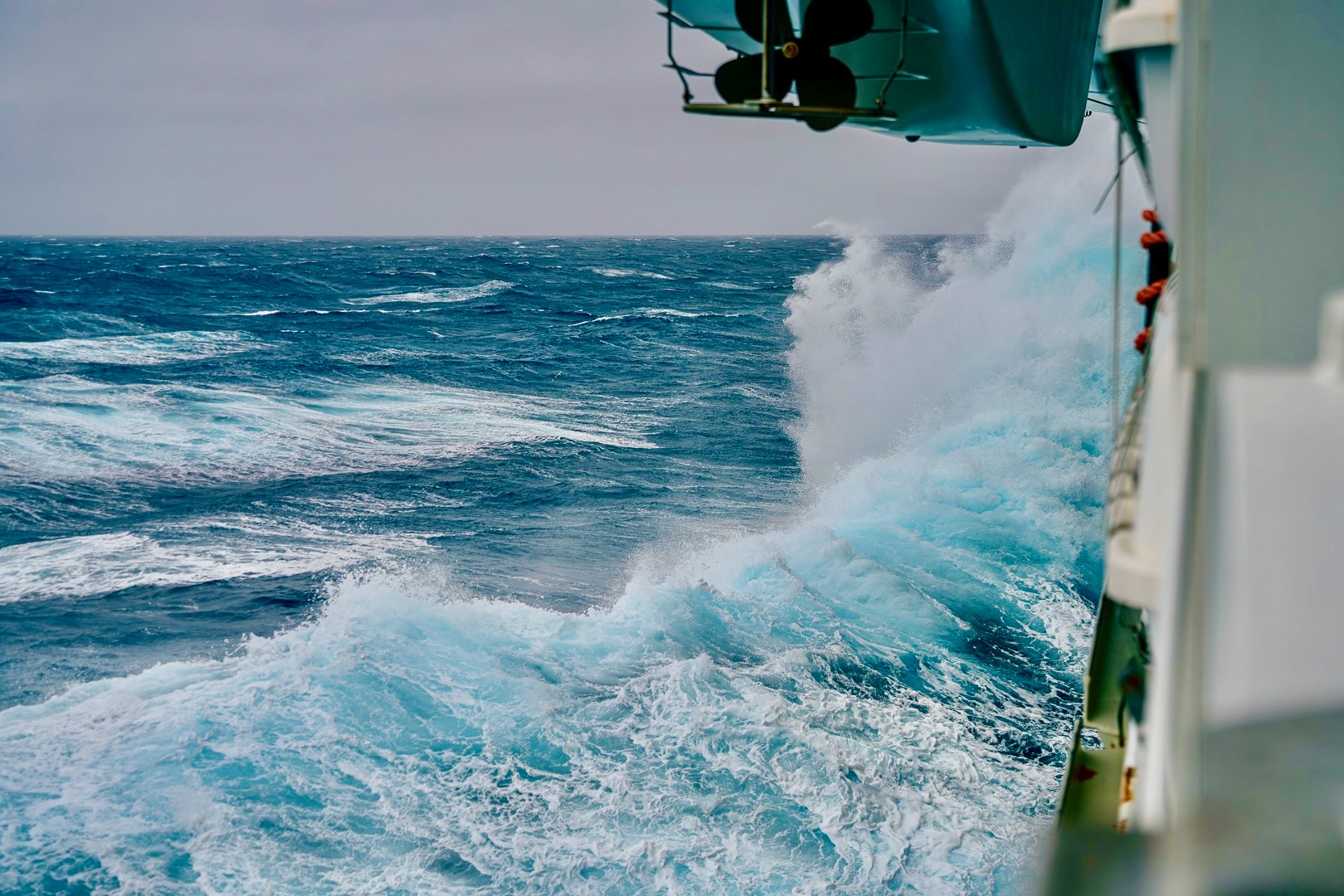
Drake Passage
Day6
Cruise-Antarctic peninsula-Cruise
Antarctic
After arriving at the Antarctic Peninsula, the captain and expedition leader will arrange various landings and cruises based on the weather and ice area conditions, and swim in the Antarctic Peninsula area. These days in the Antarctic, you will enjoy landing, hiking on shore, boating on the ice sea, and watching tens of thousands of penguins and seals. There are also several lectures on Antarctic biology and history, as well as the "Little Explorer Project" for children. The itinerary is arranged with safety first and is at the sole discretion of the captain and the ship's expedition captain. If conditions such as time, weather and ice conditions are met and comply with the regulations of international management organizations, you will selectively log in or cruise some of the following locations or other possible areas. Destination locations, such as Half Moon Island, Deception Island, Wilhelmina Bay, Couverville Island, Brown Station, Le Mere Waterway, etc.
After arriving at the Antarctic Peninsula, the captain and expedition leader will arrange various landings and cruises based on the weather and ice area conditions, and swim in the Antarctic Peninsula area. These days in the Antarctic, you will enjoy landing, hiking on shore, boating on the ice sea, and watching tens of thousands of penguins and seals. There are also several lectures on Antarctic biology and history, as well as the "Little Explorer Project" for children. The itinerary is arranged with safety first and is at the sole discretion of the captain and the ship's expedition captain. If conditions such as time, weather and ice conditions are met and comply with the regulations of international management organizations, you will selectively log in or cruise some of the following locations or other possible areas. Destination locations, such as Half Moon Island, Deception Island, Wilhelmina Bay, Couverville Island, Brown Station, Le Mere Waterway, etc.
1 Attractions
Drake Passage
Day7
Cruise-Antarctic peninsula-Cruise
After arriving at the Antarctic Peninsula, the captain and expedition leader will arrange various landings and cruises based on the weather and ice area conditions, and swim in the Antarctic Peninsula area. These days in the Antarctic, you will enjoy landing, hiking on shore, boating on the ice sea, and watching tens of thousands of penguins and seals. There are also several lectures on Antarctic biology and history, as well as the "Little Explorer Project" for children. The itinerary is arranged with safety first and is at the sole discretion of the captain and the ship's expedition captain. If conditions such as time, weather and ice conditions are met and comply with the regulations of international management organizations, you will selectively log in or cruise some of the following locations or other possible areas. Destination locations, such as Half Moon Island, Deception Island, Wilhelmina Bay, Couverville Island, Brown Station, Le Mere Waterway, etc. Refer to the introduction of landing or parade sites: Although [Half Moon Island] covers an area of 1.7 square kilometers, the jagged cliffs on the island are home to a large number of hatbelt penguins, and seals, seagulls, skua, tern, petrels, cormorants and other species are also here. haunt. If you have the opportunity to land on Half Moon Island, you will have many opportunities to photograph wildlife against the backdrop of the magnificent Antarctic scenery. [Deceiving Island], also known as Desepshin Island, is a unique island composed of a crater whose interior is submerged by sea water. Because the narrow strait of the Sea God Bellows is very hidden and difficult to discover, it is named. The active volcano here last erupted in 1970, and the entire island is covered in volcanic ash. Even now, the sea water near the beach is still as warm as a hot spring, forming a unique scenery of the Antarctic. [Wilhelmina Bay] The towering mountains and deep glaciers on the surrounding Antarctic Peninsula make people sigh with the magic and charm of ice and water. Wilhelmina Bay was once a frequent tourist destination for whalers because it was a dining spot for whales and seals. If the weather and ice floes permit, we can also use our polar ships to see the abandoned whaling ships up close. [Couverville Island] is located in the picturesque Herrera Strait and is also one of the habitats of Gentoo penguins. The narrow Strait of Herrera is a spectacular channel to and from Couverville Island. Surrounded by icebergs rooted in the water. As the cruise ship passes between the icebergs and looks around from the observation deck, you will be pleasantly surprised to see the penguins nesting on the shore. [Brown Station] This is a scientific research station established in Argentina in 1951. Brown Station is now abandoned, leaving only the buildings at that time. The real guardians of Brown Station are penguins, and a large number of Jintu penguins can be seen here. [Lemaire Channel] The Lemaire Channel, also known as the Remaire Strait, is a narrow and narrow sea area between the Antarctic Peninsula and a small snow-covered black stone mountain island. The magnificent scenery on both sides represents the beauty of the Antarctic. However, because the width of both sides of the strait is only 1.6 kilometers, there are still many ice floes and crushed ice on the water surface, and the narrow area of the passable waterway is only about 800 meters.
2 Experiences
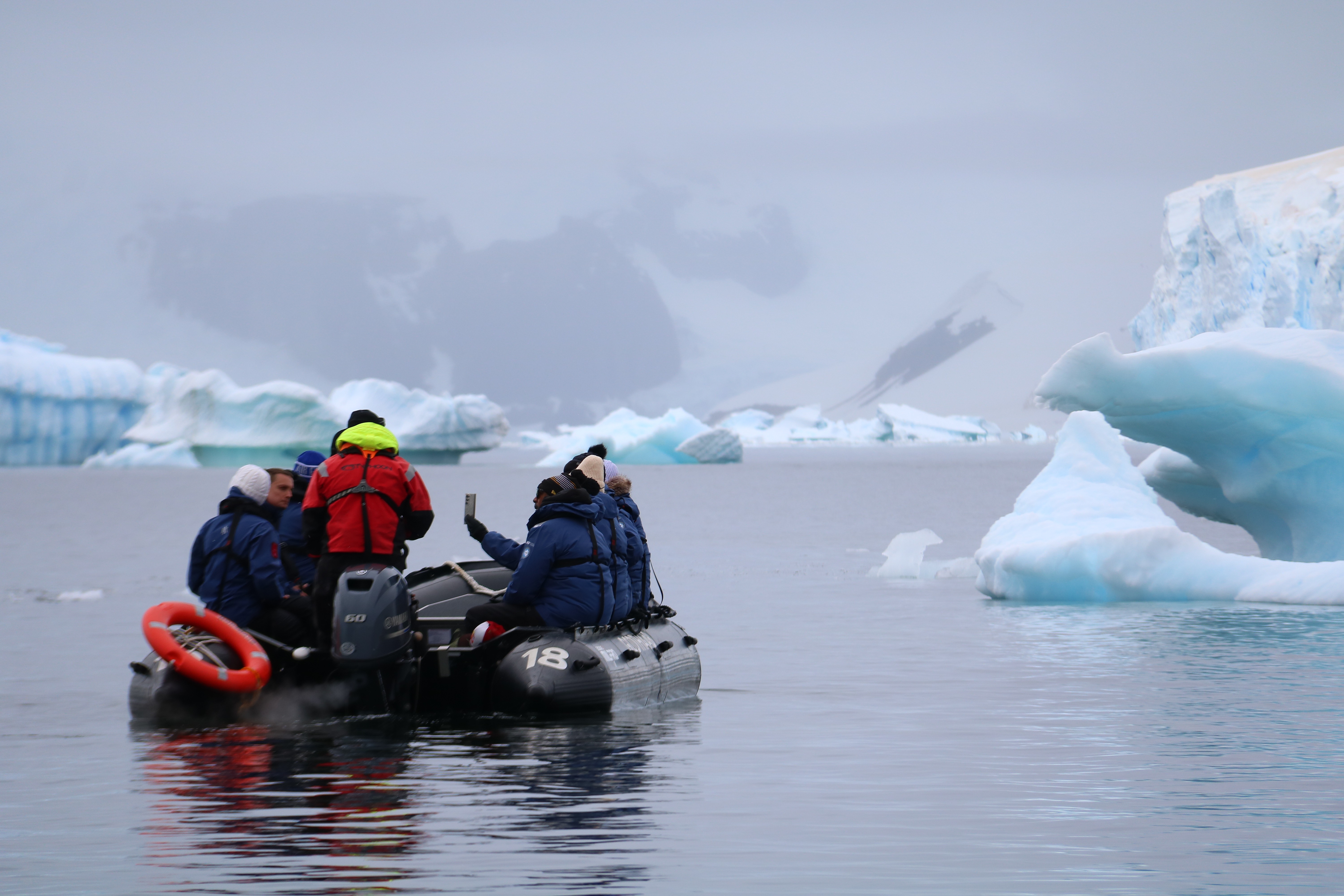
Expedition Cruising
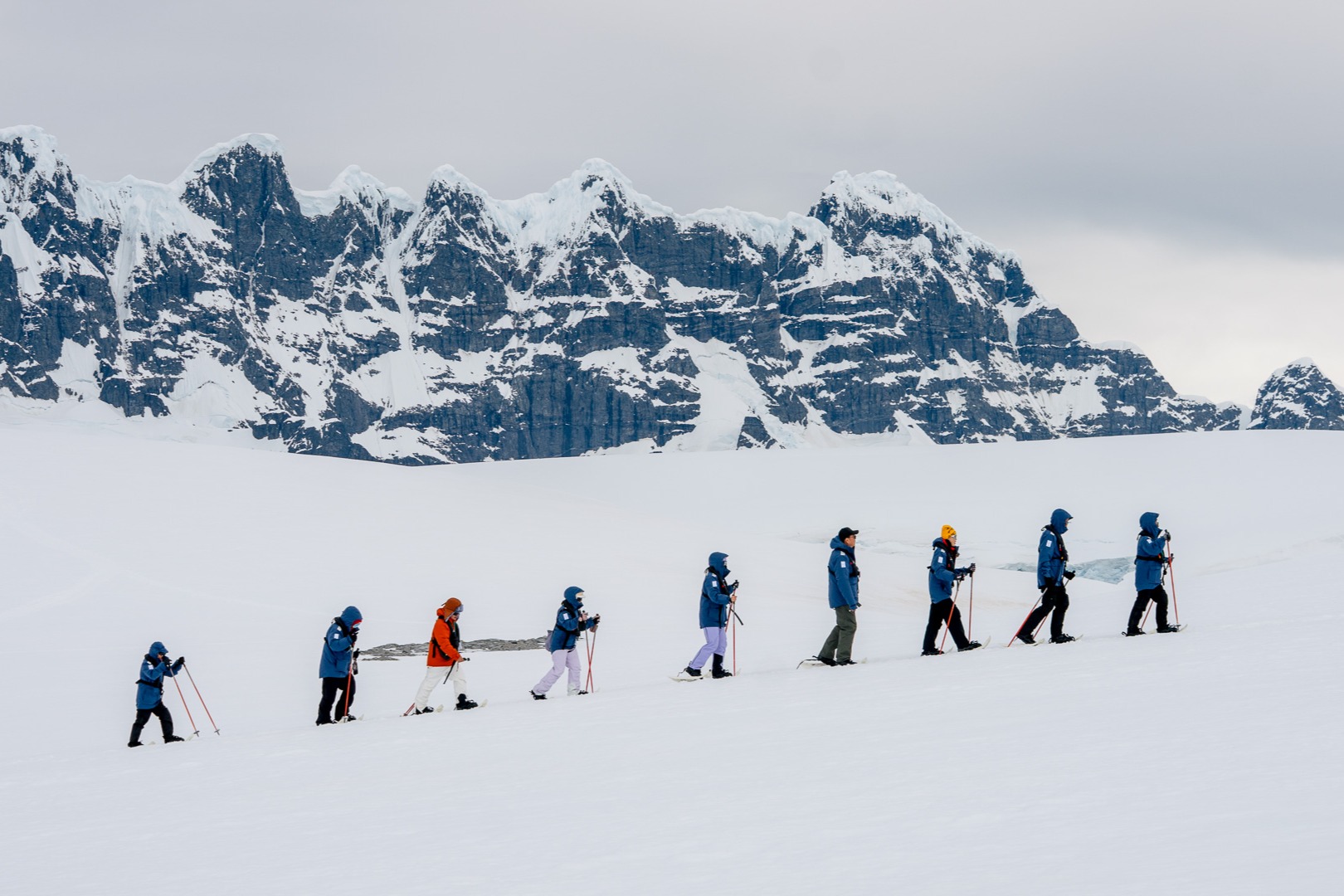
Landing
Day8
Cruise-Antarctic peninsula-Cruise
After arriving at the Antarctic Peninsula, the captain and expedition leader will arrange various landings and cruises based on the weather and ice area conditions, and swim in the Antarctic Peninsula area. These days in the Antarctic, you will enjoy landing, hiking on shore, boating on the ice sea, and watching tens of thousands of penguins and seals. There are also several lectures on Antarctic biology and history, as well as the "Little Explorer Project" for children. The itinerary is arranged with safety first and is at the sole discretion of the captain and the ship's expedition captain. If conditions such as time, weather and ice conditions are met and comply with the regulations of international management organizations, you will selectively log in or cruise some of the following locations or other possible areas. Destination locations, such as Half Moon Island, Deception Island, Wilhelmina Bay, Couverville Island, Brown Station, Le Mere Waterway, etc. Refer to the introduction of landing or parade sites: Although [Half Moon Island] covers an area of 1.7 square kilometers, the jagged cliffs on the island are home to a large number of hatbelt penguins, and seals, seagulls, skua, tern, petrels, cormorants and other species are also here. haunt. If you have the opportunity to land on Half Moon Island, you will have many opportunities to photograph wildlife against the backdrop of the magnificent Antarctic scenery. [Deceiving Island], also known as Desepshin Island, is a unique island composed of a crater whose interior is submerged by sea water. Because the narrow strait of the Sea God Bellows is very hidden and difficult to discover, it is named. The active volcano here last erupted in 1970, and the entire island is covered in volcanic ash. Even now, the sea water near the beach is still as warm as a hot spring, forming a unique scenery of the Antarctic. [Wilhelmina Bay] The towering mountains and deep glaciers on the surrounding Antarctic Peninsula make people sigh with the magic and charm of ice and water. Wilhelmina Bay was once a frequent tourist destination for whalers because it was a dining spot for whales and seals. If the weather and ice floes permit, we can also use our polar ships to see the abandoned whaling ships up close. [Couverville Island] is located in the picturesque Herrera Strait and is also one of the habitats of Gentoo penguins. The narrow Strait of Herrera is a spectacular channel to and from Couverville Island. Surrounded by icebergs rooted in the water. As the cruise ship passes between the icebergs and looks around from the observation deck, you will be pleasantly surprised to see the penguins nesting on the shore. [Brown Station] This is a scientific research station established in Argentina in 1951. Brown Station is now abandoned, leaving only the buildings at that time. The real guardians of Brown Station are penguins, and a large number of Jintu penguins can be seen here. [Lemaire Channel] The Lemaire Channel, also known as the Remaire Strait, is a narrow and narrow sea area between the Antarctic Peninsula and a small snow-covered black stone mountain island. The magnificent scenery on both sides represents the beauty of the Antarctic. However, because the width of both sides of the strait is only 1.6 kilometers, there are still many ice floes and crushed ice on the water surface, and the narrow area of the passable waterway is only about 800 meters.
2 Experiences
Landing
Expedition Cruising
Day9
Cruise-Antarctic peninsula-Cruise
After arriving at the Antarctic Peninsula, the captain and expedition leader will arrange various landings and cruises based on the weather and ice area conditions, and swim in the Antarctic Peninsula area. These days in the Antarctic, you will enjoy landing, hiking on shore, boating on the ice sea, and watching tens of thousands of penguins and seals. There are also several lectures on Antarctic biology and history, as well as the "Little Explorer Project" for children. The itinerary is arranged with safety first and is at the sole discretion of the captain and the ship's expedition captain. If conditions such as time, weather and ice conditions are met and comply with the regulations of international management organizations, you will selectively log in or cruise some of the following locations or other possible areas. Destination locations, such as Half Moon Island, Deception Island, Wilhelmina Bay, Couverville Island, Brown Station, Le Mere Waterway, etc. Refer to the introduction of landing or parade sites: Although [Half Moon Island] covers an area of 1.7 square kilometers, the jagged cliffs on the island are home to a large number of hatbelt penguins, and seals, seagulls, skua, tern, petrels, cormorants and other species are also here. haunt. If you have the opportunity to land on Half Moon Island, you will have many opportunities to photograph wildlife against the backdrop of the magnificent Antarctic scenery. [Deceiving Island], also known as Desepshin Island, is a unique island composed of a crater whose interior is submerged by sea water. Because the narrow strait of the Sea God Bellows is very hidden and difficult to discover, it is named. The active volcano here last erupted in 1970, and the entire island is covered in volcanic ash. Even now, the sea water near the beach is still as warm as a hot spring, forming a unique scenery of the Antarctic. [Wilhelmina Bay] The towering mountains and deep glaciers on the surrounding Antarctic Peninsula make people sigh with the magic and charm of ice and water. Wilhelmina Bay was once a frequent tourist destination for whalers because it was a dining spot for whales and seals. If the weather and ice floes permit, we can also use our polar ships to see the abandoned whaling ships up close. [Couverville Island] is located in the picturesque Herrera Strait and is also one of the habitats of Gentoo penguins. The narrow Strait of Herrera is a spectacular channel to and from Couverville Island. Surrounded by icebergs rooted in the water. As the cruise ship passes between the icebergs and looks around from the observation deck, you will be pleasantly surprised to see the penguins nesting on the shore. [Brown Station] This is a scientific research station established in Argentina in 1951. Brown Station is now abandoned, leaving only the buildings at that time. The real guardians of Brown Station are penguins, and a large number of Jintu penguins can be seen here. [Lemaire Channel] The Lemaire Channel, also known as the Remaire Strait, is a narrow and narrow sea area between the Antarctic Peninsula and a small snow-covered black stone mountain island. The magnificent scenery on both sides represents the beauty of the Antarctic. However, because the width of both sides of the strait is only 1.6 kilometers, there are still many ice floes and crushed ice on the water surface, and the narrow area of the passable waterway is only about 800 meters.
2 Experiences
Expedition Cruising
Landing
Day10
Cruise-Antarctic peninsula-Cruise
After arriving at the Antarctic Peninsula, the captain and expedition leader will arrange various landings and cruises based on the weather and ice area conditions, and swim in the Antarctic Peninsula area. These days in the Antarctic, you will enjoy landing, hiking on shore, boating on the ice sea, and watching tens of thousands of penguins and seals. There are also several lectures on Antarctic biology and history, as well as the "Little Explorer Project" for children. The itinerary is arranged with safety first and is at the sole discretion of the captain and the ship's expedition captain. If conditions such as time, weather and ice conditions are met and comply with the regulations of international management organizations, you will selectively log in or cruise some of the following locations or other possible areas. Destination locations, such as Half Moon Island, Deception Island, Wilhelmina Bay, Couverville Island, Brown Station, Le Mere Waterway, etc. Refer to the introduction of landing or parade sites: Although [Half Moon Island] covers an area of 1.7 square kilometers, the jagged cliffs on the island are home to a large number of hatbelt penguins, and seals, seagulls, skua, tern, petrels, cormorants and other species are also here. haunt. If you have the opportunity to land on Half Moon Island, you will have many opportunities to photograph wildlife against the backdrop of the magnificent Antarctic scenery. [Deceiving Island], also known as Desepshin Island, is a unique island composed of a crater whose interior is submerged by sea water. Because the narrow strait of the Sea God Bellows is very hidden and difficult to discover, it is named. The active volcano here last erupted in 1970, and the entire island is covered in volcanic ash. Even now, the sea water near the beach is still as warm as a hot spring, forming a unique scenery of the Antarctic. [Wilhelmina Bay] The towering mountains and deep glaciers on the surrounding Antarctic Peninsula make people sigh with the magic and charm of ice and water. Wilhelmina Bay was once a frequent tourist destination for whalers because it was a dining spot for whales and seals. If the weather and ice floes permit, we can also use our polar ships to see the abandoned whaling ships up close. [Couverville Island] is located in the picturesque Herrera Strait and is also one of the habitats of Gentoo penguins. The narrow Strait of Herrera is a spectacular channel to and from Couverville Island. Surrounded by icebergs rooted in the water. As the cruise ship passes between the icebergs and looks around from the observation deck, you will be pleasantly surprised to see the penguins nesting on the shore. [Brown Station] This is a scientific research station established in Argentina in 1951. Brown Station is now abandoned, leaving only the buildings at that time. The real guardians of Brown Station are penguins, and a large number of Jintu penguins can be seen here. [Lemaire Channel] The Lemaire Channel, also known as the Remaire Strait, is a narrow and narrow sea area between the Antarctic Peninsula and a small snow-covered black stone mountain island. The magnificent scenery on both sides represents the beauty of the Antarctic. However, because the width of both sides of the strait is only 1.6 kilometers, there are still many ice floes and crushed ice on the water surface, and the narrow area of the passable waterway is only about 800 meters.
2 Experiences
Landing
Expedition Cruising
Day11
Cruise-Antarctic peninsula-Cruise
After arriving at the Antarctic Peninsula, the captain and expedition leader will arrange various landings and cruises based on the weather and ice area conditions, and swim in the Antarctic Peninsula area. These days in the Antarctic, you will enjoy landing, hiking on shore, boating on the ice sea, and watching tens of thousands of penguins and seals. There are also several lectures on Antarctic biology and history, as well as the "Little Explorer Project" for children. The itinerary is arranged with safety first and is at the sole discretion of the captain and the ship's expedition captain. If conditions such as time, weather and ice conditions are met and comply with the regulations of international management organizations, you will selectively log in or cruise some of the following locations or other possible areas. Destination locations, such as Half Moon Island, Deception Island, Wilhelmina Bay, Couverville Island, Brown Station, Le Mere Waterway, etc. Refer to the introduction of landing or parade sites: Although [Half Moon Island] covers an area of 1.7 square kilometers, the jagged cliffs on the island are home to a large number of hatbelt penguins, and seals, seagulls, skua, tern, petrels, cormorants and other species are also here. haunt. If you have the opportunity to land on Half Moon Island, you will have many opportunities to photograph wildlife against the backdrop of the magnificent Antarctic scenery. [Deceiving Island], also known as Desepshin Island, is a unique island composed of a crater whose interior is submerged by sea water. Because the narrow strait of the Sea God Bellows is very hidden and difficult to discover, it is named. The active volcano here last erupted in 1970, and the entire island is covered in volcanic ash. Even now, the sea water near the beach is still as warm as a hot spring, forming a unique scenery of the Antarctic. [Wilhelmina Bay] The towering mountains and deep glaciers on the surrounding Antarctic Peninsula make people sigh with the magic and charm of ice and water. Wilhelmina Bay was once a frequent tourist destination for whalers because it was a dining spot for whales and seals. If the weather and ice floes permit, we can also use our polar ships to see the abandoned whaling ships up close. [Couverville Island] is located in the picturesque Herrera Strait and is also one of the habitats of Gentoo penguins. The narrow Strait of Herrera is a spectacular channel to and from Couverville Island. Surrounded by icebergs rooted in the water. As the cruise ship passes between the icebergs and looks around from the observation deck, you will be pleasantly surprised to see the penguins nesting on the shore. [Brown Station] This is a scientific research station established in Argentina in 1951. Brown Station is now abandoned, leaving only the buildings at that time. The real guardians of Brown Station are penguins, and a large number of Jintu penguins can be seen here. [Lemaire Channel] The Lemaire Channel, also known as the Remaire Strait, is a narrow and narrow sea area between the Antarctic Peninsula and a small snow-covered black stone mountain island. The magnificent scenery on both sides represents the beauty of the Antarctic. However, because the width of both sides of the strait is only 1.6 kilometers, there are still many ice floes and crushed ice on the water surface, and the narrow area of the passable waterway is only about 800 meters.
2 Experiences
Landing
Expedition Cruising
Day12
Antarctic peninsula-Drake bay-Cruise
Drake Passage
After personally experiencing the natural ecology of Antarctica and viewing rare wild animals and plants, loaded with unforgettable experiences, we bid farewell to penguins, seals and icebergs, and sailed back to Ushuaia via the Drake Strait. You will also have the opportunity to watch seabirds and search for whales on deck in the fresh Antarctic air. Special lectures and photo sharing will be held during the voyage to recall this wonderful time in the Antarctic. Seize the opportunity to leave a memorable moment on the boat with your traveling companions. This will become a precious memory in life. A disembarkation explanation meeting will be held in due course. Please listen carefully to the arrangements and precautions for disembarkation and follow the arrangements of the expedition team members
After personally experiencing the natural ecology of Antarctica and viewing rare wild animals and plants, loaded with unforgettable experiences, we bid farewell to penguins, seals and icebergs, and sailed back to Ushuaia via the Drake Strait. You will also have the opportunity to watch seabirds and search for whales on deck in the fresh Antarctic air. Special lectures and photo sharing will be held during the voyage to recall this wonderful time in the Antarctic. Seize the opportunity to leave a memorable moment on the boat with your traveling companions. This will become a precious memory in life. A disembarkation explanation meeting will be held in due course. Please listen carefully to the arrangements and precautions for disembarkation and follow the arrangements of the expedition team members
1 Attractions
Drake Passage
Day13
Cruise-Drake bay-Cruise
Drake Passage
After personally experiencing the natural ecology of Antarctica and viewing rare wild animals and plants, loaded with unforgettable experiences, we bid farewell to penguins, seals and icebergs, and sailed back to Ushuaia via the Drake Strait. You will also have the opportunity to watch seabirds and search for whales on deck in the fresh Antarctic air. Special lectures and photo sharing will be held during the voyage to recall this wonderful time in the Antarctic. Seize the opportunity to leave a memorable moment on the boat with your traveling companions. This will become a precious memory in life. A disembarkation explanation meeting will be held in due course. Please listen carefully to the arrangements and precautions for disembarkation and follow the arrangements of the expedition team members.
After personally experiencing the natural ecology of Antarctica and viewing rare wild animals and plants, loaded with unforgettable experiences, we bid farewell to penguins, seals and icebergs, and sailed back to Ushuaia via the Drake Strait. You will also have the opportunity to watch seabirds and search for whales on deck in the fresh Antarctic air. Special lectures and photo sharing will be held during the voyage to recall this wonderful time in the Antarctic. Seize the opportunity to leave a memorable moment on the boat with your traveling companions. This will become a precious memory in life. A disembarkation explanation meeting will be held in due course. Please listen carefully to the arrangements and precautions for disembarkation and follow the arrangements of the expedition team members.
1 Attractions
Drake Passage
Day14
Cruise-Falklands islands-Cruise
December 09 Falkland Islands (Malvinas)
The vast Falkland Islands are divided into two main islands, east and west, and nearly 800 smaller islands. After watching the barren white scenery like a planet outside Antarctica, you may feel a lot more relaxed when you look at the green green mountains, blooming wild flowers, charming white sand beaches and green sea water. However, this is not completely different from Antarctica, because there are also thousands of penguins here for you to watch! In these days, we will try to see penguin colonies, which often include the seal family. We will keep a safe distance so as not to disturb them or their tuxe-clad neighbors. You will again encounter signs of human civilization, scattered around family farms, or Stanley, the capital of East Falkland, where four-fifths of the island's population lives. When you visit, you will find that the town is a microcosm of British life, including a typical red bus and a boutique bar that serves English beer and plays friendly jokes with you. Explanation: We are exploring the most remote region in the world, unlike other destinations. Your expedition team must maneuver and change the specific itinerary based on sea conditions, ice conditions, and weather conditions. This itinerary introduction is a tentative plan. Please note that no attractions or areas are guaranteed to be seen or reached. Feel the charm of Antarctic tourism-uncertainty and unknown.
The vast Falkland Islands are divided into two main islands, east and west, and nearly 800 smaller islands. After watching the barren white scenery like a planet outside Antarctica, you may feel a lot more relaxed when you look at the green green mountains, blooming wild flowers, charming white sand beaches and green sea water. However, this is not completely different from Antarctica, because there are also thousands of penguins here for you to watch! In these days, we will try to see penguin colonies, which often include the seal family. We will keep a safe distance so as not to disturb them or their tuxe-clad neighbors. You will again encounter signs of human civilization, scattered around family farms, or Stanley, the capital of East Falkland, where four-fifths of the island's population lives. When you visit, you will find that the town is a microcosm of British life, including a typical red bus and a boutique bar that serves English beer and plays friendly jokes with you. Explanation: We are exploring the most remote region in the world, unlike other destinations. Your expedition team must maneuver and change the specific itinerary based on sea conditions, ice conditions, and weather conditions. This itinerary introduction is a tentative plan. Please note that no attractions or areas are guaranteed to be seen or reached. Feel the charm of Antarctic tourism-uncertainty and unknown.
1 Attractions
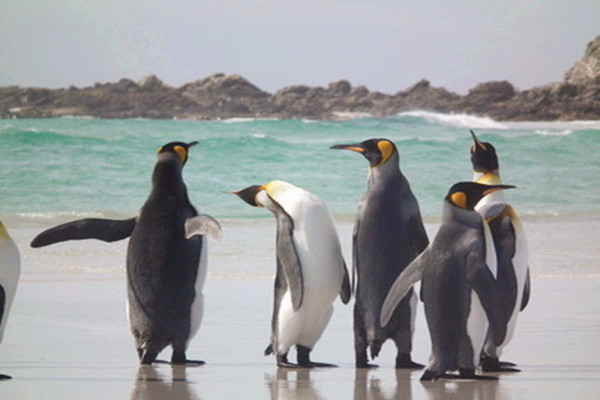
Islas Malvinas
Day15
Cruise-Falklands islands-Cruise
December 10 Falkland Islands (Malvinas)
The vast Falkland Islands are divided into two main islands, east and west, and nearly 800 smaller islands. After watching the barren white scenery like a planet outside Antarctica, you may feel a lot more relaxed when you look at the green green mountains, blooming wild flowers, charming white sand beaches and green sea water. However, this is not completely different from Antarctica, because there are also thousands of penguins here for you to watch! In these days, we will try to see penguin colonies, which often include the seal family. We will keep a safe distance so as not to disturb them or their tuxe-clad neighbors. You will again encounter signs of human civilization, scattered around family farms, or Stanley, the capital of East Falkland, where four-fifths of the island's population lives. When you visit, you will find that the town is a microcosm of British life, including a typical red bus and a boutique bar that serves English beer and plays friendly jokes with you. Explanation: We are exploring the most remote region in the world, unlike other destinations. Your expedition team must maneuver and change the specific itinerary based on sea conditions, ice conditions, and weather conditions. This itinerary introduction is a tentative plan. Please note that no attractions or areas are guaranteed to be seen or reached. Feel the charm of Antarctic tourism-uncertainty and unknown.
The vast Falkland Islands are divided into two main islands, east and west, and nearly 800 smaller islands. After watching the barren white scenery like a planet outside Antarctica, you may feel a lot more relaxed when you look at the green green mountains, blooming wild flowers, charming white sand beaches and green sea water. However, this is not completely different from Antarctica, because there are also thousands of penguins here for you to watch! In these days, we will try to see penguin colonies, which often include the seal family. We will keep a safe distance so as not to disturb them or their tuxe-clad neighbors. You will again encounter signs of human civilization, scattered around family farms, or Stanley, the capital of East Falkland, where four-fifths of the island's population lives. When you visit, you will find that the town is a microcosm of British life, including a typical red bus and a boutique bar that serves English beer and plays friendly jokes with you. Explanation: We are exploring the most remote region in the world, unlike other destinations. Your expedition team must maneuver and change the specific itinerary based on sea conditions, ice conditions, and weather conditions. This itinerary introduction is a tentative plan. Please note that no attractions or areas are guaranteed to be seen or reached. Feel the charm of Antarctic tourism-uncertainty and unknown.
1 Attractions
Islas Malvinas
1 Experiences
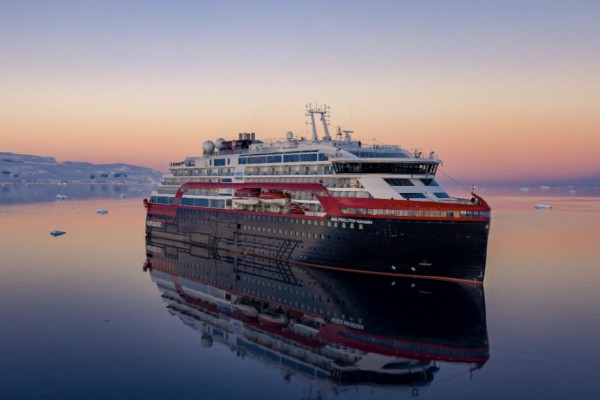
Amundsen Nansen
[MS Roald Amundsen][MS FRIDJTOF NANSEN], the world's first hybrid-electric adventure cruise ships, equipped with first-class adventure equipment, including Beye underwater drones, kayaking and 15 adventure boats. Guests can use the gym or top deck to work out and enjoy the scenery through the panoramic windows. In terms of dining, the Amundsen provides Three great options: the upscale restaurant Lindstrøm, the international cuisine kitchen Fredheim, and the main restaurant Aune. Best of all, the onboard science center has high-tech equipment and learning tools, making it a good place to communicate face-to-face and deepen your understanding of the destination.
Day16
Cruise-Falklands islands-Cruise
December 11 Falkland Islands (Malvinas)
The vast Falkland Islands are divided into two main islands, east and west, and nearly 800 smaller islands. After watching the barren white scenery like a planet outside Antarctica, you may feel a lot more relaxed when you look at the green green mountains, blooming wild flowers, charming white sand beaches and green sea water. However, this is not completely different from Antarctica, because there are also thousands of penguins here for you to watch! In these days, we will try to see penguin colonies, which often include the seal family. We will keep a safe distance so as not to disturb them or their tuxe-clad neighbors. You will again encounter signs of human civilization, scattered around family farms, or Stanley, the capital of East Falkland, where four-fifths of the island's population lives. When you visit, you will find that the town is a microcosm of British life, including a typical red bus and a boutique bar that serves English beer and plays friendly jokes with you. Explanation: We are exploring the most remote region in the world, unlike other destinations. Your expedition team must maneuver and change the specific itinerary based on sea conditions, ice conditions, and weather conditions. This itinerary introduction is a tentative plan. Please note that no attractions or areas are guaranteed to be seen or reached. Feel the charm of Antarctic tourism-uncertainty and unknown.
The vast Falkland Islands are divided into two main islands, east and west, and nearly 800 smaller islands. After watching the barren white scenery like a planet outside Antarctica, you may feel a lot more relaxed when you look at the green green mountains, blooming wild flowers, charming white sand beaches and green sea water. However, this is not completely different from Antarctica, because there are also thousands of penguins here for you to watch! In these days, we will try to see penguin colonies, which often include the seal family. We will keep a safe distance so as not to disturb them or their tuxe-clad neighbors. You will again encounter signs of human civilization, scattered around family farms, or Stanley, the capital of East Falkland, where four-fifths of the island's population lives. When you visit, you will find that the town is a microcosm of British life, including a typical red bus and a boutique bar that serves English beer and plays friendly jokes with you. Explanation: We are exploring the most remote region in the world, unlike other destinations. Your expedition team must maneuver and change the specific itinerary based on sea conditions, ice conditions, and weather conditions. This itinerary introduction is a tentative plan. Please note that no attractions or areas are guaranteed to be seen or reached. Feel the charm of Antarctic tourism-uncertainty and unknown.
1 Attractions
Islas Malvinas
Day17
Cruise
December 12 Sea Cruise
Your adventure is coming to an end. You can enjoy as much as you like on the last remaining day of the sea. Head to the bar and share a few drinks with friends you make during the trip. By chatting with the expedition teams about their respective adventure stories, you can learn more about the island from these modern explorers. Enjoy a wonderful dining experience at a la carte restaurant or enjoy soothing treatments at the health spa. Or just take time to relax on deck, watch the waves, and fondly recall the many highlights of your voyage.
Your adventure is coming to an end. You can enjoy as much as you like on the last remaining day of the sea. Head to the bar and share a few drinks with friends you make during the trip. By chatting with the expedition teams about their respective adventure stories, you can learn more about the island from these modern explorers. Enjoy a wonderful dining experience at a la carte restaurant or enjoy soothing treatments at the health spa. Or just take time to relax on deck, watch the waves, and fondly recall the many highlights of your voyage.
Day18
Cruise-Ushuaia-Buenosaires
Ushuaia/Buenos Aires
The adventure will eventually come to an end. If you have time, you can take a short break and activities in Ushuaia, and then take a charter flight to Buenos Aires, the capital of Argentina. When we arrived in Buenos Aires, it was time to say goodbye to our trip to the Antarctic. After arriving in Buyi, we had dinner and then went to the hotel to rest.
The adventure will eventually come to an end. If you have time, you can take a short break and activities in Ushuaia, and then take a charter flight to Buenos Aires, the capital of Argentina. When we arrived in Buenos Aires, it was time to say goodbye to our trip to the Antarctic. After arriving in Buyi, we had dinner and then went to the hotel to rest.
1 Experiences
aircraft
Take a plane to your destination.
Day19
Buenosaires-Istanbul
Buy-Santiago
Reference flight: LA476 EZESCL 1915 2131 Flight 2 hours and 16 minutes After breakfast, visit the [Boca Area]. The main attraction is the [Cabinido Street El Caminito] named after a tango song. Colorful buildings and graffiti on the walls can be seen everywhere. If you are lucky enough, you can also enjoy the performances of tango dancers and melodious and sexy tango music. Afterwards, we will go to [LABOCA Old Port] and the appearance of [BOCA Youth Team Stadium], and then visit [Women's Bridge]. In the evening, we will take the airport and fly to San Diego. After arrival, the tour guide will pick up the plane and transport them to the hotel for rest.
Reference flight: LA476 EZESCL 1915 2131 Flight 2 hours and 16 minutes After breakfast, visit the [Boca Area]. The main attraction is the [Cabinido Street El Caminito] named after a tango song. Colorful buildings and graffiti on the walls can be seen everywhere. If you are lucky enough, you can also enjoy the performances of tango dancers and melodious and sexy tango music. Afterwards, we will go to [LABOCA Old Port] and the appearance of [BOCA Youth Team Stadium], and then visit [Women's Bridge]. In the evening, we will take the airport and fly to San Diego. After arrival, the tour guide will pick up the plane and transport them to the hotel for rest.
7 Attractions
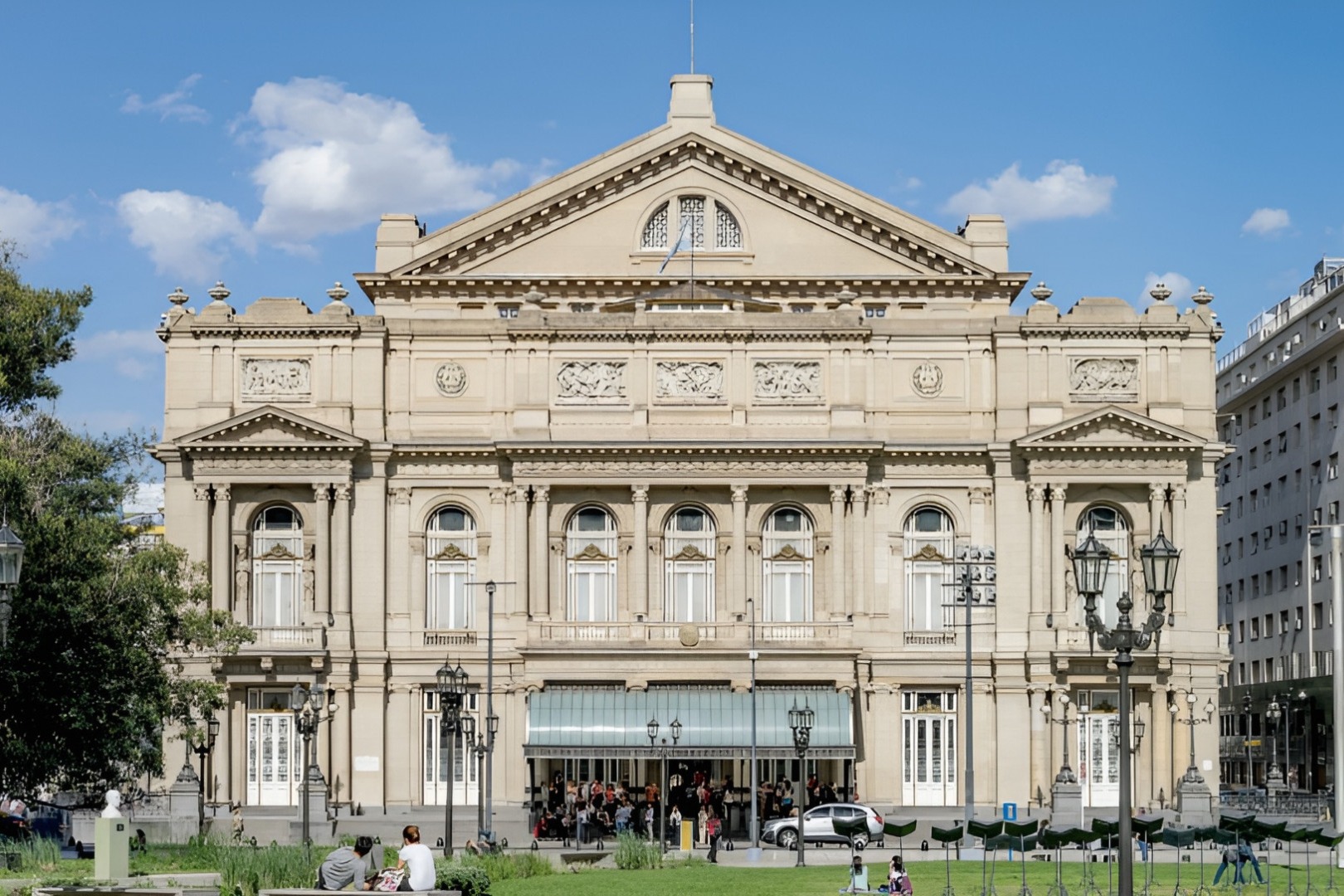
Teatro Colón

El Ateneo Grand Splendid
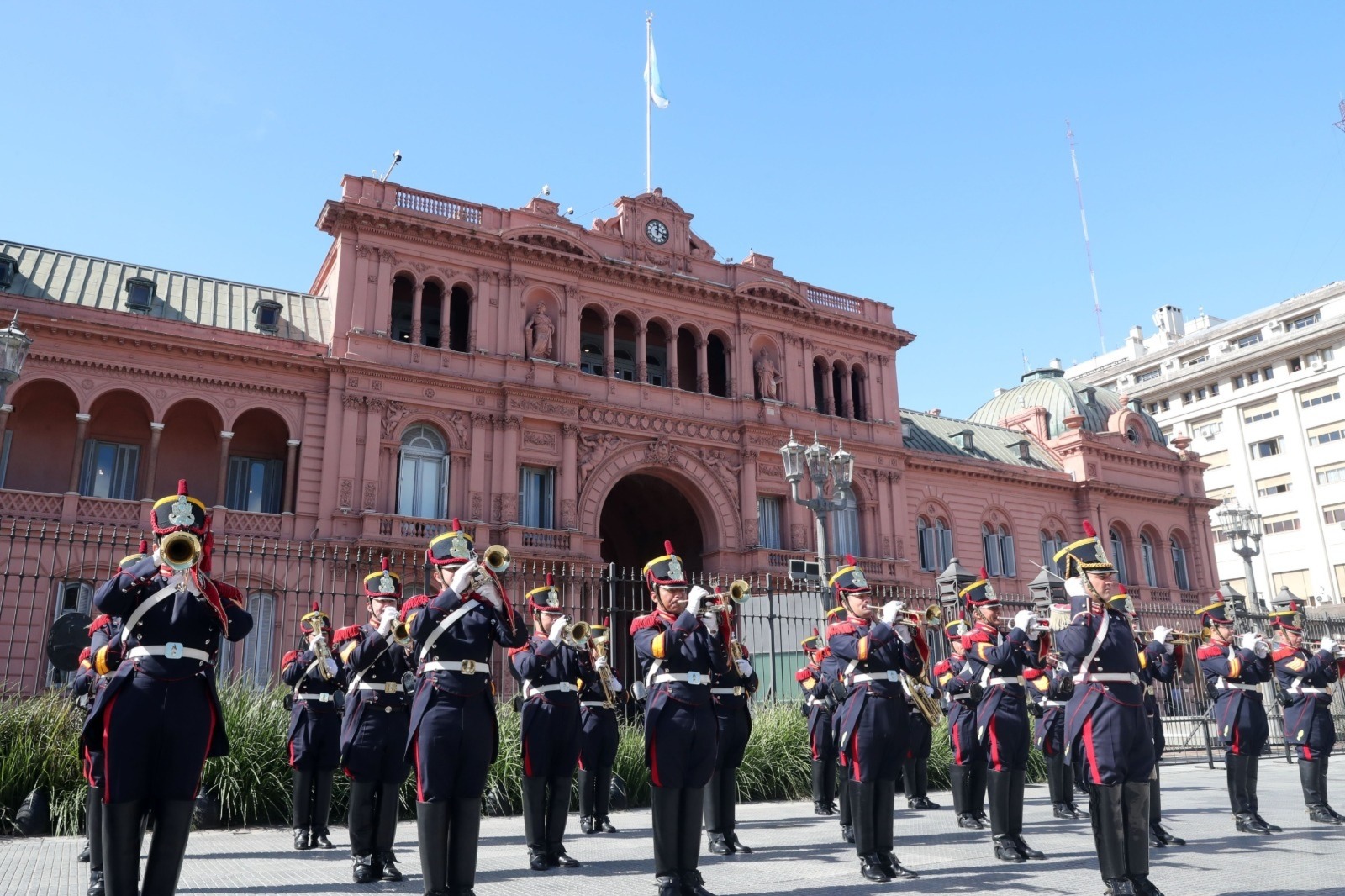
Casa Rosada
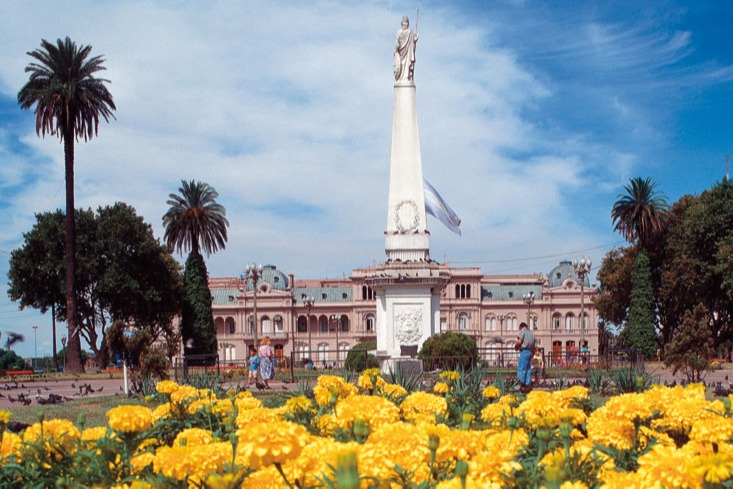
Plaza de Mayo
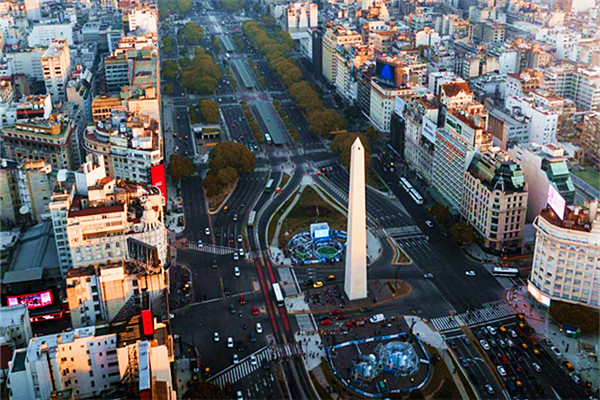
Avenida 9 de Julio
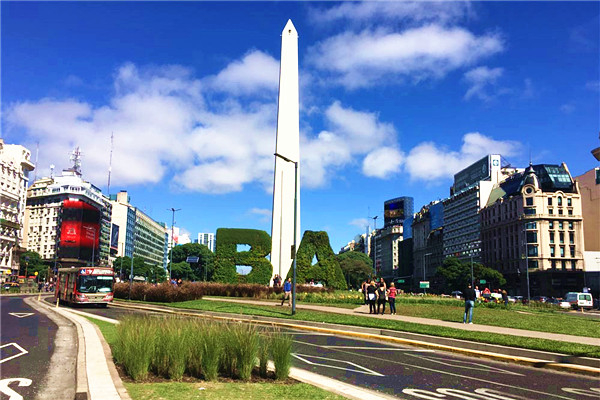
Obelisco
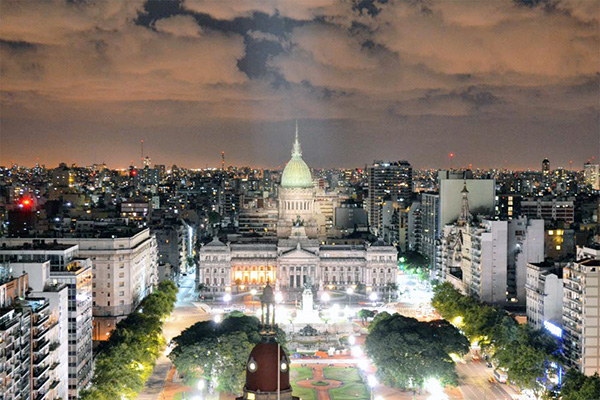
Plaza del Congreso
Day20
Istanbul-Beijing
Transfer city on December 15, 2026
Turning point
Turning point
1 Experiences
aircraft
Take a plane to your destination.
Day21
Beijing
Arrive in China and end a pleasant journey.
Important note: Please feel the charm of Antarctic tourism-uncertainty and unknown. We are exploring the most remote region in the world, unlike other destinations. Your expedition team must maneuver and change the specific itinerary based on sea conditions, ice conditions, and weather conditions. This itinerary introduction is a tentative plan. Please note that no attractions or areas are guaranteed to be seen or reached. Please refer to the group departure notice for arrival and departure times and flight information. You need to know the above before departing for the polar area. Forgive me.
Important note: Please feel the charm of Antarctic tourism-uncertainty and unknown. We are exploring the most remote region in the world, unlike other destinations. Your expedition team must maneuver and change the specific itinerary based on sea conditions, ice conditions, and weather conditions. This itinerary introduction is a tentative plan. Please note that no attractions or areas are guaranteed to be seen or reached. Please refer to the group departure notice for arrival and departure times and flight information. You need to know the above before departing for the polar area. Forgive me.
1 Experiences
aircraft
Take a plane to your destination.

