Today marks the start of our journey along the Yangtze River, beginning with the East China leg. Fly independently to Nanjing today, where a dedicated representative will meet you upon arrival. Enjoy free time to relax and adjust at your leisure.
"7-Day East China Tour: Nanjing Yangtze River Bridge + Confucius Temple + Geyuan Garden + Lingshan Giant Buddha + The Bund + Huangpu River Cruise"
Destination Place
Nanjing
Travel Days
7 days
Highlights
Travel along the Yangtze River from the Nanjing Yangtze River Bridge to the Bund in Shanghai, taking in the timeless charm of Jiangnan’s past and present.
Experience the nighttime cruise on the Huangpu River, ascend the Oriental Pearl Tower, and immerse yourself in the vibrant allure of Shanghai’s urban landscape.
Visit the classical gardens of Suzhou and Slender West Lake in Yangzhou to appreciate the beauty of traditional Chinese garden design.
Itinerary
Day1
Nanjing
Day2
Nanjing
Nanjing – Yangtze River Bridge – Yangtze River Cruise – Confucius Temple and Qinhuai River Scenic Belt – Yuejiang Tower
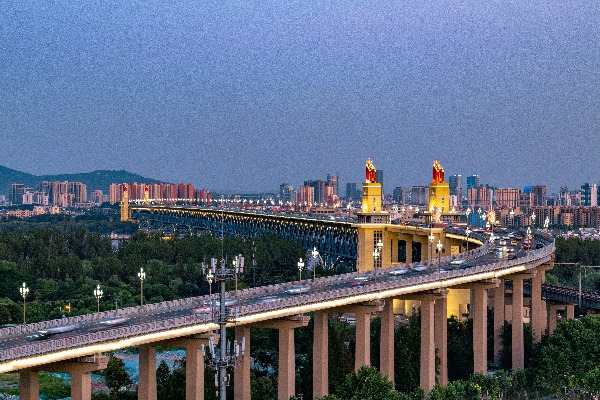
After breakfast, head to the 360-degree observation deck on the top floor of Yuejiang Tower, one of the Four Famous Towers of Jiangnan. From here, you’ll enjoy sweeping views of the surging Yangtze River and the Nanjing cityscape. Next, visit the Nanjing Yangtze River Bridge, an iconic landmark of the city. Like a steel dragon soaring over the mighty Yangtze, it firmly links the river’s north and south banks. Then board a Yangtze River cruise to take in the scenic vistas along both banks. After disembarking, explore the Confucius Temple and Qinhuai River Scenic Belt. Known as “Ten-Mile Qinhuai,” this area is one of Nanjing’s most vibrant districts and a must-see for visitors. Overnight stay at a hotel in Nanjing.
After breakfast, head to the 360-degree observation deck on the top floor of Yuejiang Tower, one of the Four Famous Towers of Jiangnan. From here, you’ll enjoy sweeping views of the surging Yangtze River and the Nanjing cityscape. Next, visit the Nanjing Yangtze River Bridge, an iconic landmark of the city. Like a steel dragon soaring over the mighty Yangtze, it firmly links the river’s north and south banks. Then board a Yangtze River cruise to take in the scenic vistas along both banks. After disembarking, explore the Confucius Temple and Qinhuai River Scenic Belt. Known as “Ten-Mile Qinhuai,” this area is one of Nanjing’s most vibrant districts and a must-see for visitors. Overnight stay at a hotel in Nanjing.
3 Attractions
Nanjing Yangtze River Bridge
The Nanjing Yangtze River Bridge, located between Xiaguan in Gulou District and Pukou District in Nanjing, China, is the first double-deck railway-highway combined bridge on the Yangtze River that was independently designed and constructed by China. Completed and opened to traffic in 1968, it gained nationwide fame as the “Pride Bridge” and stands as an important symbol of the construction achievements of New China, as well as one of Nanjing’s iconic landmarks.

Confucius Temple Qinhuai River Scenic Belt
The Confucius Temple Qinhuai Scenic Belt refers to the Qinhuai River area centered on the Confucius Temple, including the streets and alleys, residential buildings on both sides of the Taiwan Strait and nearby historic sites and scenic spots. This area has been one of the more prosperous places in Nanjing since ancient times, and it is also a must-visit place for many tourists when they come to Nanjing. Not only can you see the historical buildings of Nanjing, the ancient capital, but you can also eat authentic Qinhuai snacks here. Here you can go deep into the streets or rafting on the Qinhuai River to experience the local customs and customs along the river from different perspectives. Colorful lights are lit up everywhere in the scenic area at night, which is extremely glorious."Staying in Qinhuai at night" is even more wonderful.
yuejianglou
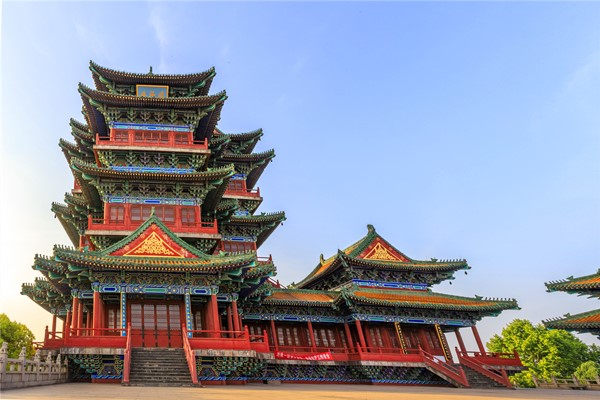
Yuejiang Tower is located on the top of the Lion Mountain in Xiaguan, Gulou District, Nanjing City. It stands tall on the banks of the Yangtze River and drinks the sunset and swallows the fog. It is one of the top ten famous cultural buildings in China and the four famous buildings in Jiangnan. It is also the main attraction of Nanjing Yuejiang Tower Scenic Area, a national AAAA tourist attraction, and one of the 48 scenic spots in New Jinling.

1 Experiences
Nanjing Yangtze River Legend Series Cruise Ships
The Nanjing Yangtze River Legend cruise series is the centerpiece of Nanjing’s riverside tourism project, operated by Nanjing Yangtze River Cruise Co., Ltd. The fleet includes the “Yangtze River Legend” and “Love on the Yangtze.” Boarding a vessel from the Yangtze River Legend series unlocks the ultimate way to enjoy a leisurely stroll along Nanjing’s Yangtze riverfront.
Day3
Nanjing-Yangzhou-Zhenjiang
Nanjing – Slender West Lake – Geyuan Garden – Jinshan Temple – Zhenjiang
Visit [Slender West Lake], the iconic attraction of Yangzhou. Its winding waterways and picturesque scenery have earned it the reputation of “the finest garden under heaven.” Here, you can appreciate the gentle beauty of the Jiangnan water towns and immerse yourself in the garden culture of the lower Yangtze River region. Next, explore [Geyuan Garden], renowned for its artistry in rockery stacking. The garden’s four seasonal rockeries each possess distinct characteristics, showcasing the ingenuity and delicate design typical of Jiangnan classical gardens. Afterward, head to Zhenjiang to visit [Jinshan Temple], a famous Buddhist sacred site built into the hillside. With its closely spaced halls and unique architectural style, the temple offers stunning views of the Yangtze River and provides insights into the historical legends and Buddhist culture associated with Jinshan Temple. Overnight stay at a hotel in Zhenjiang.
Visit [Slender West Lake], the iconic attraction of Yangzhou. Its winding waterways and picturesque scenery have earned it the reputation of “the finest garden under heaven.” Here, you can appreciate the gentle beauty of the Jiangnan water towns and immerse yourself in the garden culture of the lower Yangtze River region. Next, explore [Geyuan Garden], renowned for its artistry in rockery stacking. The garden’s four seasonal rockeries each possess distinct characteristics, showcasing the ingenuity and delicate design typical of Jiangnan classical gardens. Afterward, head to Zhenjiang to visit [Jinshan Temple], a famous Buddhist sacred site built into the hillside. With its closely spaced halls and unique architectural style, the temple offers stunning views of the Yangtze River and provides insights into the historical legends and Buddhist culture associated with Jinshan Temple. Overnight stay at a hotel in Zhenjiang.
3 Attractions

West lake
Slender West Lake, formerly known as Baoshan Lake, is located in the west and northern suburbs of Yangzhou City, Jiangsu Province, with a scenic area of 33.66 square kilometers. Due to the silting of the lake center, salt merchants funded the dredging of the lake, and later changed its name to Slender West Lake by a scholar. Slender West Lake has formed a basic pattern during the Kangxi and Qianlong periods of the Qing Dynasty, and is known as "the prosperity of gardens and the best in the world." Slender West Lake is mainly divided into 14 major attractions, including Wuting Bridge, Twenty-Four Bridge, Lotus Pond, Diaoyutai, etc. In 1988, it was listed by the State Council as a "National Key Scenic Area with Important Historical and Cultural Heritage and Yangzhou Garden Characteristics". In 2010, it was awarded the National AAAAA Scenic Spot.

geyuan
Geyuan is located at No. 10 Yanfu East Road in the northeastern corner of Yangzhou. It is a national key cultural relic protection unit and one of the four famous parks in China. The whole park is divided into a central garden, a southern residence, and a northern variety of bamboo viewing area, covering an area of 24000 square meters. Because the owner loves bamboo and the bamboo leaves are shaped like the word "ge", it is named "Geyuan". Geyuan is famous for its stacked stone art. The rockery of bamboo shoots, lake stones, yellowstone, and suitable stones in the four seasons of spring, summer, autumn and winter integrates the rules of gardening with the principles of landscape painting. It has been praised by Mr. Chen Congzhou, the master of the garden, as an "isolated case in China." In 2005, Geyuan was praised as a national AAAA scenic tourist area and one of the 20 key parks in the country.

Jinshan temple
Jinshan Temple (Jiangtian Temple) was built on the mountain and was built in the Eastern Jin Dynasty. "Jinshan Annals" records: "There are Buddhist temples on the mountain, which were built during the reign of Emperor Ming of Jin", that is, between 323 and 325, when it was originally named Zexin Temple. It was known as Jinshan Temple since the Tang Dynasty, and was renamed Jiangtian Temple in the 25th year of Kangxi of the Qing Dynasty (1686). It is the birthplace of China's Buddhist land and land Dharma Meetings, where Buddhism chants scriptures and fasting, pays homage to Buddhas and recommends the dead.


Day4
Zhenjiang-Wuxi
Zhenjiang – Lingshan Giant Buddha – Li Garden – Wuxi
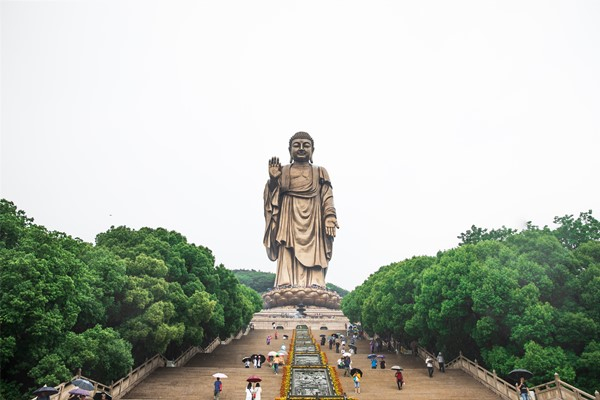
After breakfast, depart for the Lingshan Giant Buddha, one of Wuxi’s iconic landmarks. Facing Taihu Lake with its back to Lingshan Mountain, the Buddha wears a gentle, smiling expression and gazes compassionately over all beings, holding significant cultural and economic importance for the region.
Next, visit Li Garden. Situated on the shores of Taihu Lake—which connects to the Yangtze River system via the Beijing–Hangzhou Grand Canal and forms the backbone of the Jiangnan water network—the garden is renowned for its scenic water features and rockery, earning it a place among the “Pearls of Taihu.” Stroll through Li Garden and enjoy a peaceful ambiance.
Overnight stay at a hotel in Wuxi.
2 Attractions
Wuxi lingshan Buddha
Lingshan Giant Buddha is located in the Lake District of Wuxi City, Jiangsu Province, located on the north bank of Taihu Lake. Lingshan Buddha is 88 meters high and uses more than 700 tons of bronze. It is designed and sculpted by Wu Xianlin of Nanjing Chenguang Group. This area is a 5A tourist attraction in China.

Liyuan
Liyuan Garden, situated on the shores of Li Lake in Wuxi, Jiangsu Province, was built to commemorate the legendary figures Fan Li and Xi Shi. Renowned for its exquisite and elegant water-centered scenery, the garden links iconic features such as the Thousand-Step Corridor and the Four Seasons Pavilion through winding corridors, rockeries, and pavilions. Hailed as a “famous garden of Jiangnan,” it stands as a quintessential example for appreciating both the natural beauty of Taihu Lake’s landscape and the artistry of classical Chinese garden design.

Day5
Wuxi-Suzhou
Wuxi – Huqiu (Tiger Hill) – The Humble Administrator’s Garden – Suzhou
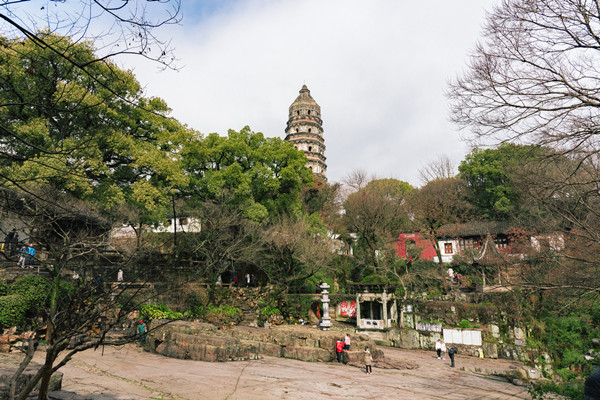
After breakfast, travel by coach to Suzhou. Visit the city’s iconic landmark, Huqiu (Tiger Hill), which boasts a history of more than 2,500 years and is steeped in legend. Renowned for its harmonious blend of wooded springs and rolling hills, Tiger Hill stands as a symbol of Suzhou. Next, explore the Humble Administrator’s Garden, one of China’s Four Great Gardens and widely regarded as the finest example of Suzhou’s classical gardens. Celebrated for its expansive layout and elegant, understated style, the garden invites you to wander among winding waters, gracefully arranged pavilions, terraces, and towers. The tranquility of the ancient study halls interplays with the dappled shadows of bamboo, evoking the poetic world of traditional Chinese scholars and artists. Overnight stay at a hotel in Suzhou.
After breakfast, travel by coach to Suzhou. Visit the city’s iconic landmark, Huqiu (Tiger Hill), which boasts a history of more than 2,500 years and is steeped in legend. Renowned for its harmonious blend of wooded springs and rolling hills, Tiger Hill stands as a symbol of Suzhou. Next, explore the Humble Administrator’s Garden, one of China’s Four Great Gardens and widely regarded as the finest example of Suzhou’s classical gardens. Celebrated for its expansive layout and elegant, understated style, the garden invites you to wander among winding waters, gracefully arranged pavilions, terraces, and towers. The tranquility of the ancient study halls interplays with the dappled shadows of bamboo, evoking the poetic world of traditional Chinese scholars and artists. Overnight stay at a hotel in Suzhou.
2 Attractions
Humble administrator's garden
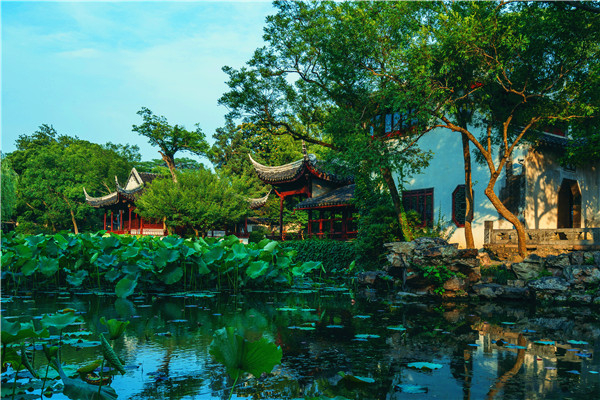
Humble Administrator's Garden is the largest representative work of classical gardens in Suzhou. Together with Beijing Summer Palace, Chengde Summer Resort, and Suzhou Lingering Garden, it is known as the four famous gardens in China. The park is centered on water and surrounded by mountains and trees. The east is open and sparse, the west is beautifully built, and the middle is centered on a pool, with mountains piled in the pool, which is the essence of the whole garden. The south of the park is a traditional Jiangnan architectural pattern, with Suzhou Garden Museum, the only garden museum in China. Special activities such as the Azalea Festival, Lotus Festival, and Anti-Season Chrysanthemum Exhibition are held every spring, summer and autumn.
huqiu
Tiger Hill has a history of more than 2500 years and is a must-visit place to visit Suzhou. The most famous ones are the Tiger Hill Pagoda and the Tiger Hill Sword Pool. Relying on the beautiful scenery and long historical and cultural landscape, it enjoys the reputation of "the No. 1 Scenic Spot in Wuzhong". The Tiger Hill Pagoda is called the "Leaning Tower of Oriental Pisa", and the four characters "Tiger Hill Sword Pool" are said to be written by Yan Zhenqing. Every year, Huqiu holds several flower fairs and temple fairs. A large number of famous Chinese and foreign flower plants will be displayed, with quiet and beautiful scenery.
Day6
Suzhou-Shanghai
After breakfast, head to Shanghai and visit [Nanjing Road Pedestrian Street], the city’s most popular and bustling commercial thoroughfare. Here you’ll find a wide array of department stores and brand flagship outlets, offering a diverse selection of products from many well-known international brands. The street is also home to numerous time-honored Shanghai food shops.
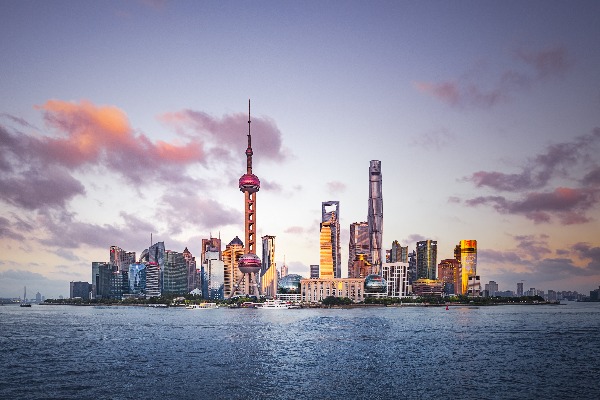
Then, take a [Huangpu River cruise] to enjoy panoramic views of iconic landmarks such as the Oriental Pearl Tower, the “Lujiazui Trio” skyscrapers, and the Bund.
Then, take a [Huangpu River cruise] to enjoy panoramic views of iconic landmarks such as the Oriental Pearl Tower, the “Lujiazui Trio” skyscrapers, and the Bund.
4 Attractions
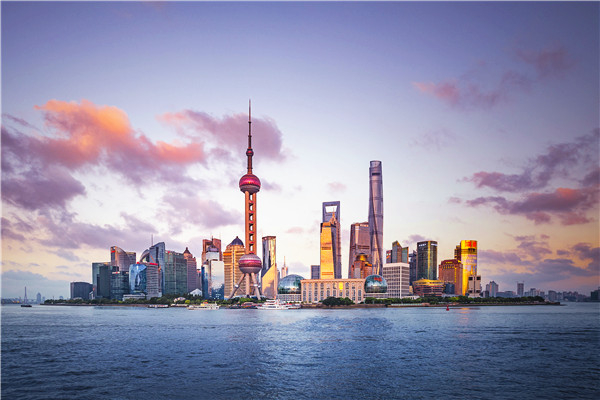
The Bund
The Bund is located on the bank of the Huangpu River in the central Huangpu District of Shanghai City. It is one of the most symbolic attractions in Shanghai. It is 1.5 kilometers long and walks from south to north. On the left side is the wide Zhongshan East 1st Road, with dozens of foreign buildings with different styles lined up on the roadside. Close to Shanghai's mother river, the Huangpu River, giant ships shuttle through the river, and on the other side of the river stand skyscrapers such as Jinmao Tower and the World Financial Center. At night, neon lights are shining on both sides of the Pujiang River, making it suitable for walking on the Bund with your lover and feeling the charm and romance of the "City that Never Sleeps".
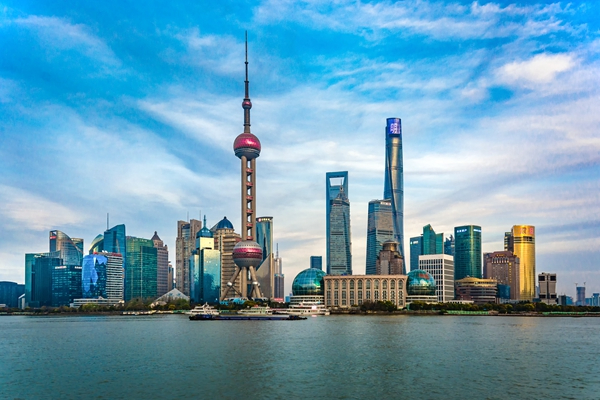
The Oriental pearl tower
The Oriental Pearl Radio and TV Tower, commonly known as the “Oriental Pearl,” is located at No. 1 Century Avenue in Lujiazui, Pudong New Area, Shanghai. Situated on the banks of the Huangpu River, it stands against the backdrop of Lujiazui’s modern skyscraper complex and forms a striking visual dialogue with the historic international architecture ensemble of the Bund on the opposite shore. Recognized as one of Shanghai’s Top Ten New Landmarks, the tower features five observation decks, making it one of the best vantage points for panoramic views of the entire city. It also houses an aerial revolving restaurant—the highest of its kind in Asia. When it comes to Shanghai’s iconic landmarks, the Oriental Pearl Radio and TV Tower is unquestionably preeminent. This towering structure on the Huangpu River not only embodies Shanghai’s rich historical and cultural heritage but, with its distinctive silhouette and impressive height, has become a must-visit destination for countless travelers.
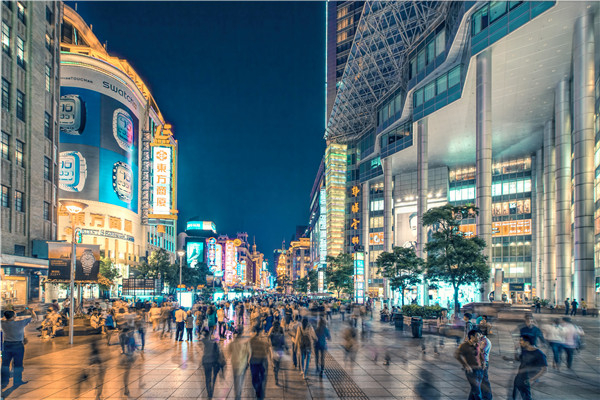
Nanjing Road
Shanghai’s Nanjing Road Pedestrian Street is one of China’s most iconic commercial promenades and a landmark attraction in Shanghai. Long hailed as “China’s No. 1 Commercial Street,” it is an absolute must-visit for travelers to the city. The area boasts numerous classic landmarks, such as the legendary Peace Hotel with over 90 years of history, its century-old revolving doors, vintage-style shop windows evoking old Shanghai charm, and the No. 1 Food Store. It also features many popular photo spots that capture the essence of the district’s attractions, including the Bubble Mirror at Century Square and the M&M’s Flagship Store.
lujiazui
Lujiazui is located on the bank of the Huangpu River in Pudong New District, opposite the Bund across the river. It is the leading financial business district at home and abroad and is now the most charming place in Shanghai. Bringing together high-rise buildings such as the Oriental Pearl, Shanghai International Convention Center, and World Financial Center, the numerous skyscrapers make people feel like they are in an urban forest. At night, standing on top of high-rise buildings and overlooking the brightly lit night view, you will feel the modernity of a first-tier city more. This is a place where fashionistas gather, various international brands, and a good place for shopping.
1 Experiences

Huangpu River Cruise
Take a cruise ship to the Huangpu River, and you can see the bustling scenery along the river.

Day7
Shanghai
Wake up naturally today. We’ll take you to the airport according to your flight schedule, concluding your East China Yangtze River tour and returning you to the comfort of your home.

