• loading.......

Encounter Mountains and Seas: A 6-Day Wind-Swept Journey to Dali and Lijiang | Jade Dragon Snow Mountain, Fengyangyi Village, Lijiang Old Town, Dali Old Town, Xizhou Rice Paddy Train Ride, Jeep Tour Around Erhai Lake, and Afternoon Tea at the Sun Palace

Destination Place

Dali

Travel Days

6 days

Highlights

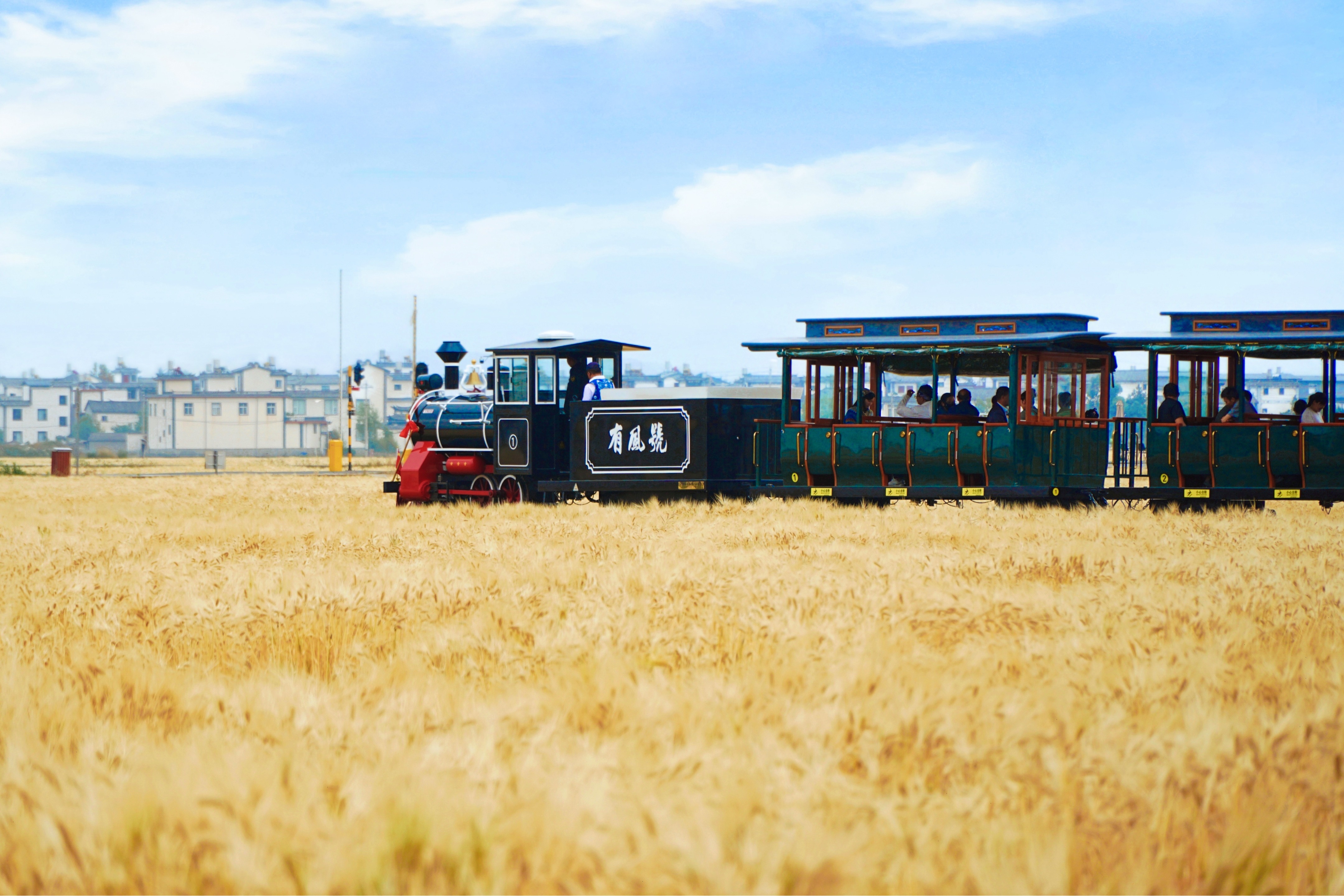
  • Ride the mini train through the rice paddies of Xizhou Ancient Town, and feel the breeze rustling through the waves of grain.

  • Visit the trendy café and wait for a breathtaking sunrise by Erhai Lake.

  • Cruise around Erhai Lake in a convertible Jeep, admire the majestic Cangshan Mountains, and immerse yourself in Dali’s romantic charm of wind, flowers, snow, and moon.

Itinerary

Day1
Dali
[Pre-Trip Note] Wherever the wind blows, life’s poetry scatters along the way. If you, too, long for a brief escape for the soul—just like in the series “Meet Yourself”—set aside daily routines, slow your pace, and let this itinerary be crafted just for you.

From Dali to Lijiang, from the ancient Tea-Horse Road to the Jade Dragon Snow Mountain, from indigo-dyed handkerchiefs to Dongba pictographs, spend six days surrendering yourself to the mountains, seas, and breezes.

Today, fly independently to Dali. As you glimpse that highland blue from your airplane window and set foot on Dali’s soil, your story begins. Upon arrival, our dedicated staff will greet you at the airport. The rest of the day is yours to relax at your own rhythm—rest, stroll, and unwind as you gently acclimate to Yunnan’s gentle breezes and warm sunshine, gathering energy for the leisurely mountain-and-lake journey ahead, and quietly awaiting your encounter with wind and poetry.
Day2
Dali
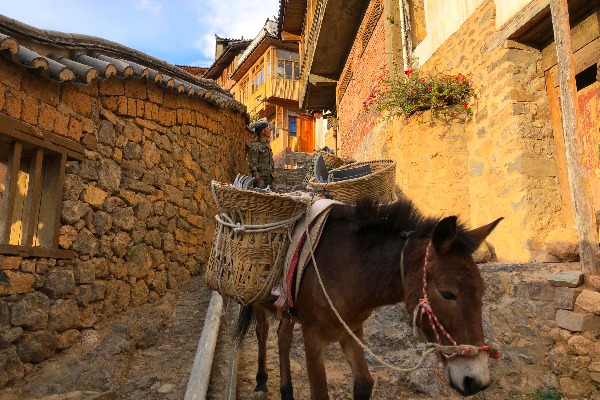
Some paths are meant to be taken slowly; some people meet in the wind. Step into Fengyangyi Village, the primary filming location of the drama “Meet Yourself,” and retrace the footsteps of Xie Zhiyao and Xu Hongdou. Follow the ancient “Horse-Guiding Stones” along the millennium-old Tea Horse Road, where the flagstone pavement has been polished smooth and gleaming by time. At a quiet corner, you may find yourself recalling how the characters walked through these very scenes.

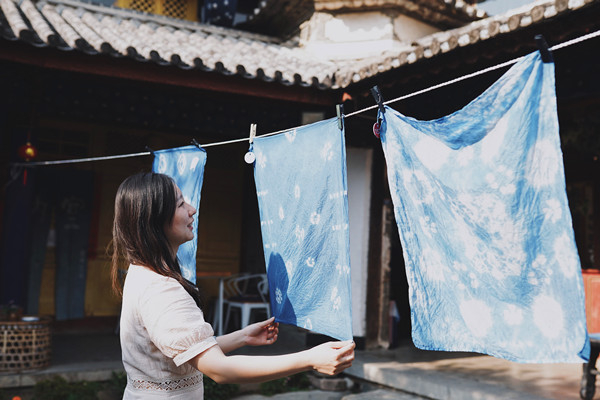
At the Indigo Dye Workshop, hand-dye your own small indigo scarf. Watch as the white cloth soaks in the woad dye bath, oxidizes, and gradually turns blue—like droplets of Dali’s sky seeping into the fabric’s weave.

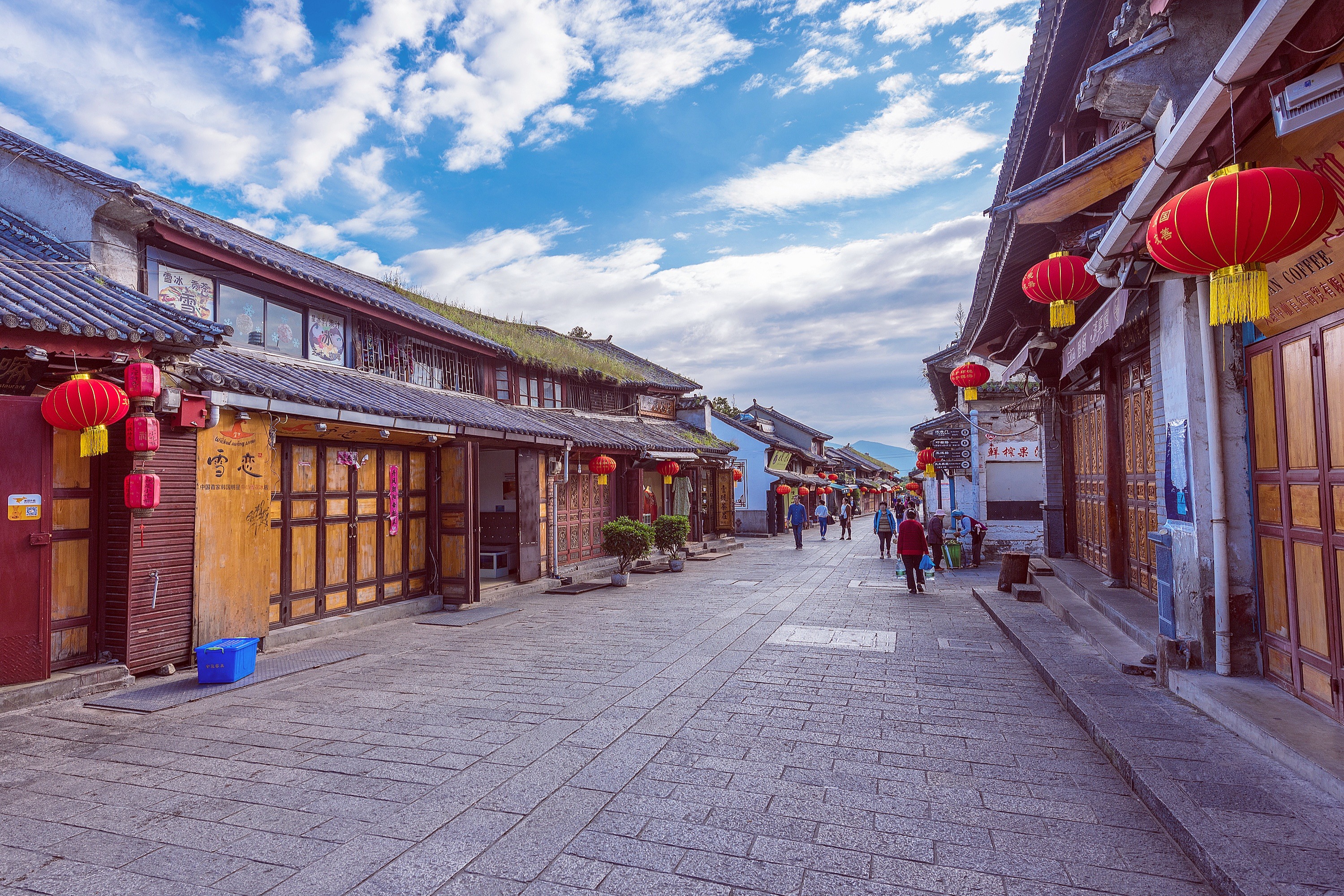
Embark on a city walk through Dali Ancient Town. Listen as your guide shares the town’s past and present, catch glimpses into the everyday lives of ordinary Bai people, and savor a variety of local delicacies. Here, it’s not about rushing from place to place—it’s about strolling, lingering, and truly living.
1 Attractions
  • Fengyangyi Village

    Fengyangyi Village

    Fengyangyi Village, an ancient settlement with a millennium of history, nestles at the foot of Foding Peak on Cangshan Mountain. Once a key section of the Yunnan–Tibet Tea Horse Road, it still preserves the authentic character of the historic trail. Be sure not to miss “You Feng Xiaoyuan” (the Breezy Courtyard), the filming location for the TV drama *Meet Yourself*, where you can experience the same tranquil lifestyle enjoyed by the protagonist Xu Hongdou. Also worth visiting is Huangtang Food Art Museum, a featured site in numerous variety shows. Come to Fengyangyi Village, slow down time, and let your soul enjoy deep relaxation and renewal.

2 Experiences
  • Aizen

    Aizen

    We will explore the charm of Bai ethnic intangible cultural heritage—indigo dyeing—by crafting your own indigo-dyed handkerchief, which you can keep for yourself or give as a gift to someone you wish to thank. Our aim is not only to share the techniques of indigo dyeing, but also to draw on the wisdom of ancient villages and reflect on our relationships with nature, with others, and with ourselves.

  • Dali ancient city citywalk

    Dali ancient city citywalk

    Under the guidance of the guide, you will take an in-depth tour of the ancient city of Dali to learn about the architectural culture of the Bai people's houses in three squares and one Zhaobi; tell the story of the inconspicuous small shops hidden in the ancient city; come to the cultural and creative base to see Dali in the eyes of the artists; from specialty small shops to Bai people's residences, from Bai food markets to religious sites, we will take you to experience the rich appearance of the ancient city of Dali and feel the ethnic customs of the Bai people in Dali.

Day3
Dali
In Xizhou, the wind has color and carries its own song.

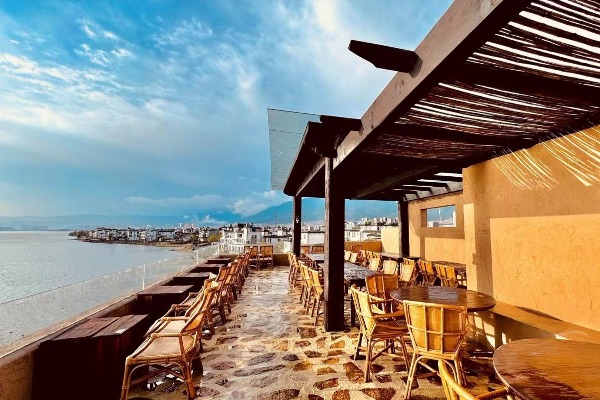
Before dawn, head to Xin Di Café to await a sunrise over Erhai Lake. As the first rays of light spill across the water’s surface, you’ll understand why so many people are willing to rise early for this very moment.

Afterward, make your way to Xizhou Ancient Town. Join the locals at the morning market, where fresh mushrooms and freshly baked Xizhou baba (a local flatbread) create a lively yet grounding atmosphere, offering an authentic glimpse into daily Bai ethnic life. Then, stroll through traditional Bai residences, listening to the stories embedded in time and appreciating the refined elegance of Bai architecture. Hop on a small train that winds through the rice paddies of Xizhou, where the sound of wind rustling through the fields feels like the earth whispering softly.

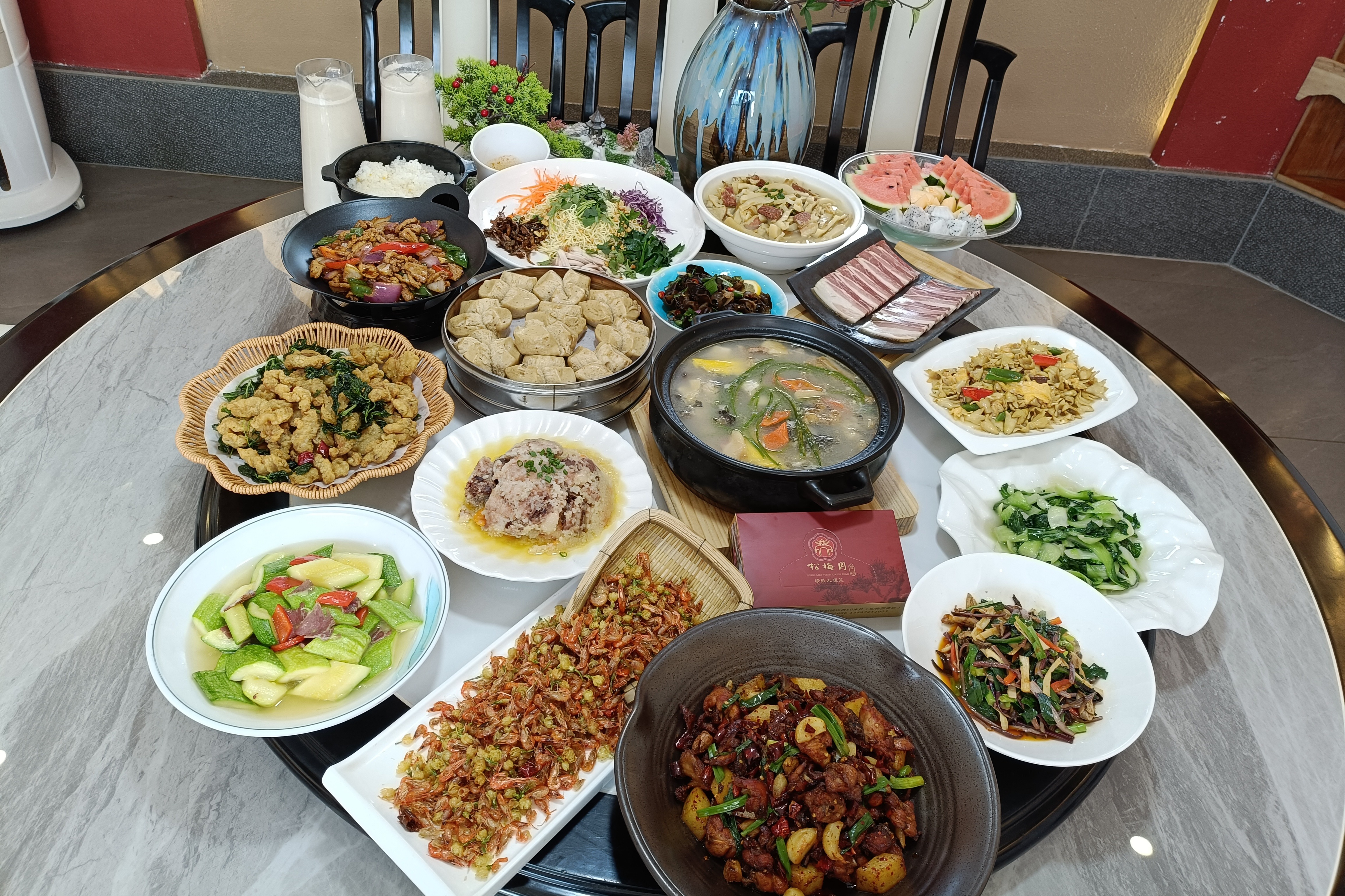
For dinner, savor a specially arranged Bai-style meal in Dali, immersing yourself in the most authentic local flavors amid the aromatic warmth of home-cooked cuisine.
1 Attractions
  • xizhou

    xizhou

    Xizhou Ancient Town lies north of Dali Old Town, bordered by Erhai Lake to the east and nestled against Cangshan Mountain to the west. It boasts the most extensive and best-preserved ensemble of Bai ethnic residential architecture and is the birthplace of Xizhou baba (a traditional Bai flatbread). Strolling through the town, you’ll encounter elders dressed in traditional Bai attire, small shops selling baba, and characteristic Bai residences, all imbued with a rich Bai cultural ambiance. In 2017, Xizhou Ancient Town was included on the provincial list of towns designated for development as distinctive characteristic towns; in 2019, it was officially recognized as a “Yunnan Provincial Characteristic Town”; and in 2020, it was established as a provincial-level tourist resort and a renowned tourism town.

5 Experiences
  • Follow the locals to go to the morning market

    Follow the locals to go to the morning market

    Life in Xizhou begins at the morning market, where the town’s warmth and vitality are most palpable amid the bustling crowds. You’ll find fresh, dewy seasonal fruits; wild greens foraged from the hills by Bai ethnic minority aunties; richly aromatic Hui-style rushan (milk fan) layered with rose jam; and local erkuai (rice cake) factories supplying the entire town. Exploring the morning market offers a blend of local history, ancient architecture, and culinary culture. As you wander through the streets and alleys, you’ll hear tales of Xizhou’s Tea-Horse Road merchant guilds, gain insights into the aesthetics and historical significance embedded in traditional Bai architecture, and discover the region’s abundant ingredients and cooking methods through the lively, down-to-earth atmosphere of Xizhou’s vegetable market. Brimming with people, the market is not only a vibrant gathering of diverse foods and a daily hub of Dali’s local scene, but also a doorway into the authentic everyday life of the Xizhou community. Join locals as they step into their neighborhood market—mostly frequented by Bai residents—where you can truly experience the town’s timeless customs and folk traditions.

  • Guzhai Xiaoyou

    Guzhai Xiaoyou

    The ancient house was built in the late Qing Dynasty and the early Republic of China. It belongs to a national key cultural relic protection unit. We follow the footsteps of volunteers, listen to the stories of the owners of the ancient house, and explore the life and culture of the Bai people in Xizhou.

  • Xizhou Rice Field Train

    Xizhou Rice Field Train

    Take a small train to shuttle through the rice fields in Xizhou Ancient Town

  • Erhai Xindi Coffee

    Erhai Xindi Coffee

    Xindi Coffee is a coffee shop located in the Erhai Lake in Dali. There are many photo spots in the store, attracting many tourists to check in. Sit quietly and enjoy a comfortable time after drinking a cup of coffee on the edge of the Erhai Lake.

  • Dali Bai ethnic specialties

    Dali Bai ethnic specialties

    Dali is not only a tourist attraction, but also a food kingdom. Here you can taste Yunnan's specialty dish-Bai cuisine.

Day4
Dali-Lijiang
Chase the wind from Erhai Lake to Lijiang. After breakfast, board a coach to Erhai Lake. Upon arrival, switch to a Jeep for a scenic tour along the lake’s eastern shore, where picturesque vistas unfold at every turn. Gaze upon the shimmering waters of Erhai, take in the harmonious blend of lake and mountain scenery, and immerse yourself in the romance between Cangshan Mountain and Erhai Lake—an experience brimming with artistic charm.

The eastern route includes Xingsheng Bridge, the Santorini-inspired Ideal邦 Town, Little Putuo Island (viewed from afar), Shuanglang Ancient Town, Nanzhao Style Island, and afternoon tea at the Sun Palace. The ever-changing landscapes resemble scenes from a film. Listen to the waves lapping against the shore at Nanzhao Style Island, savor afternoon tea at the Sun Palace, and watch Cangshan Mountain’s reflection dance on the lake’s surface.

Afterward, travel by coach to Lijiang Old Town, where you’ll experience a highland version of the classic Jiangnan water-town ambiance—willows swaying gently, small bridges arching over flowing streams, and homes nestled along the waterways—evoking the timeless charm of Suzhou.
7 Attractions
  • Dali Xingsheng Bridge

    Dali Xingsheng Bridge

    Dali Xingsheng Bridge is an ancient bridge located in Dali City, Yunnan Province, China, and is also one of the landmark buildings in the ancient city of Dali. The bridge was built in the Ming Dynasty and spans between the island in the heart of Erhai Lake and the ancient city of Dali. Although the Xingsheng Bridge looks very European, it reveals European style inside and outside, and is called Dali's "Little Europe". However, it is actually an authentic bridge with Bai characteristics. The bridge body is all made of marble. The bridge deck and columns on the bridge are typical of the Bai nationality style. It is a rare bridge with ethnic minority characteristics in China.

  • Xiao Putuo

    Xiao Putuo

    From a distance, Little Putuo Island rests serenely in the heart of Erhai Lake, free from hustle and bustle, exuding a tranquil harmony with the surrounding mountains and waters. Along Huanghai East Road, find the perfect vantage point for stunning photos: the solitary pavilion, the tiny island, Erhai Lake, and Cangshan Mountain all framed together, creating a natural landscape painting.

  • The double gallery

    The double gallery

    Shuanglang Town sits on the northeastern shore of Erhai Lake, hugging its shimmering waters and offering distant views of the nineteen peaks of Cangshan Mountain. It brings together the finest scenery of both Cangshan and Erhai in one place, earning it the well-known title of “the premier town for Cangshan–Erhai vistas.” The town’s eclectic architecture is another major draw, featuring landmarks such as Dancer Yang Liping’s Sun Palace and Moon Palace, and Painter Zhao Qing’s Qinglu Residence. When visiting Shuanglang, it’s recommended to stay overnight. On sunny days, sunlight filters through the clouds and reflects off the lake, creating a sparkling, serene atmosphere that’s deeply relaxing.

  • Nanzhao Fengqing Island

    Nanzhao Fengqing Island

    Nanzhao Folk Custom Island is one of the three islands in Erhai Lake, located within Shuanglang Town and forming part of the core area of the Cangshan–Erhai National Scenic Area. Bordered by the renowned Buddhist sacred site of Jizu Mountain to the east, Shibao Mountain to the north, Dali to the south, and facing Cangshan Mountain and Erhai Lake to the west, it enjoys exceptionally rich tourism resources. Visit Nanzhao Folk Custom Island to see the 17-meter-tall white marble Guanyin statue, capture stunning photos with Cangshan Mountain in the background, and explore the Nanzhao Palace to immerse yourself in the grandeur of the ancient kingdom.

  • sun palace

    sun palace

    The Sun Palace is a private villa commissioned by dance artist Yang Liping and designed by Bai ethnic artist Zhao Qing. Built at the southern tip of Yuji Island in Erhai Lake, it is constructed around a century-old banyan tree, surrounded on three sides by the lake’s waters, and occupies the island’s most prime scenic location. Yang Liping has hailed it as “the most beautiful house in the world.” More than just a building, the Sun Palace is an ultimate interpretation of the breathtaking scenery of Cangshan Mountain and Erhai Lake. Drawing inspiration from nature, Yang Liping blends traditional Bai residential architectural elements with modern art, seamlessly integrating the structure into its natural surroundings. Every window frames a picturesque view, and every step carries poetic charm. The space not only embodies a deep love for life but also reflects the lyrical landscape spirit of Dali, inviting visitors to experience the harmonious resonance between art and nature as they take in the scenery.

  • Lijiang ancient city

    Lijiang ancient city

    Lijiang Ancient City, also known as Dayan Ancient City, is a famous city with beautiful scenery, a long history and splendid culture. It is also a rare and well-preserved ancient ethnic minority town in China, a world cultural heritage, a national AAAAA tourist attraction, and a national civilized scenic area demonstration site.

  • Ideal Town

    Ideal Town

    Nestled along Huanhai East Road on the eastern shore of Erhai Lake, Ideal Town is renowned for its seamless blend of European-style architecture with the natural landscape, earning it the nicknames “Santorini of Dali” or “Oriental Santorini.” Built in harmony with the natural contours of the hills, the town’s alleyways are lined with an abundance of flowers and plants, while its streets meander poetically. Strolling through them feels like a dreamlike escape, offering a truly enchanting experience. The town is divided into three main areas: a theme zone featuring Aegean-inspired architecture, a district of bespoke boutique inns, and a commercial zone with cliffside hotels.

1 Experiences
  • Jeep Tour Erhai Lake

    Jeep Tour Erhai Lake

    Convertible Jeep chartered car to check in and take photos to tour Erhai

Day5
Lijiang
Where the sky feels closer, the wind carries the scent of snow.

Today, we headed to Jade Dragon Snow Mountain, taking the grand cableway up to Glacier Park. We climbed to the 4,680-meter-high viewing platform, where we were awestruck by nature’s majestic grandeur. Afterward, we visited Blue Moon Valley, whose waters shimmer in a striking Tiffany blue. Locals affectionately call it “Little Jiuzhai,” as the valley seems to gather the wind while the water mirrors the hue of the sky.

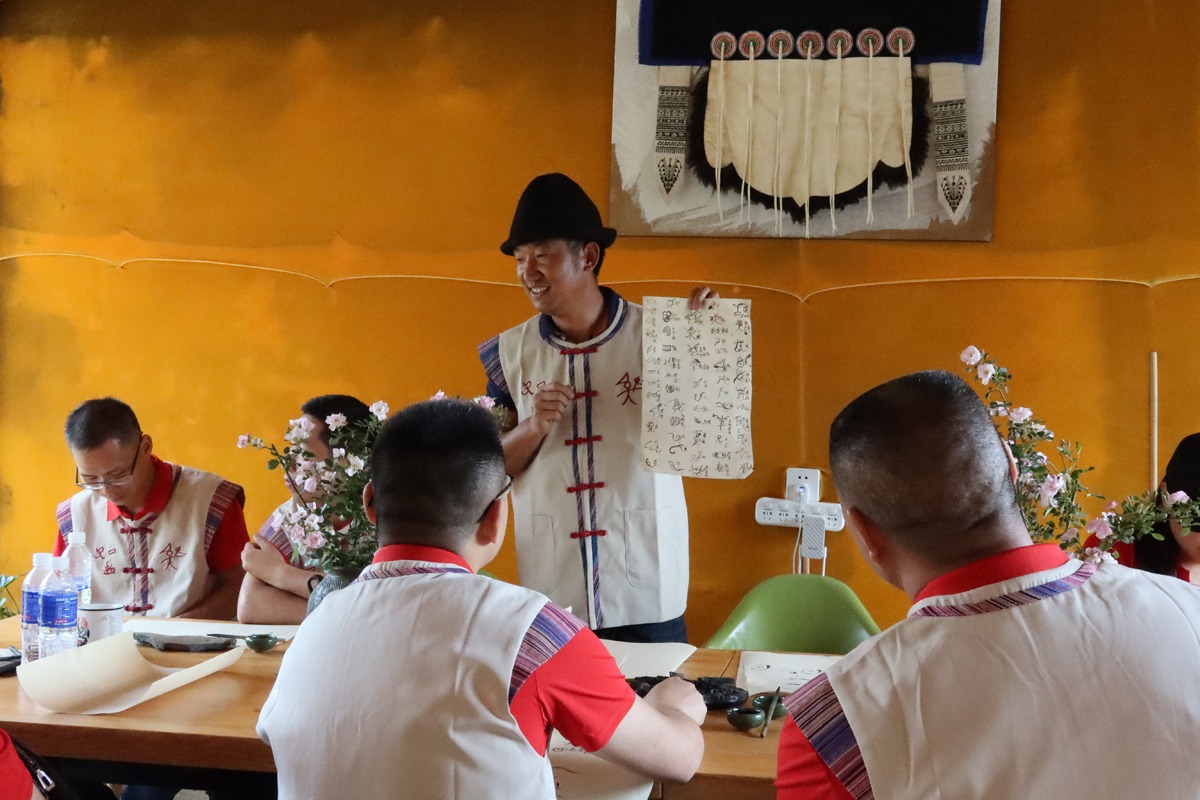
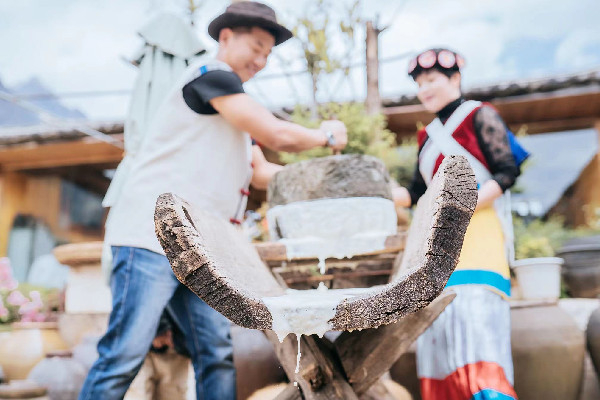
In the afternoon, we made our way to Yuhu Village, a small settlement nestled at the foot of the sacred mountain. There, we toured traditional Naxi courtyards, donned Naxi ethnic attire, and tried our hand at grinding soybeans and making tofu pudding. We also learned Dongba pictographic script from local Naxi people, touching upon the thousand-year cultural heritage of the Naxi ethnicity. Through this leisurely cultural immersion, we came to appreciate Lijiang’s gentle charm and profound depth.
3 Attractions
  • Jade dragon snow mountain

    Jade dragon snow mountain

    In the Naxi language, Jade Dragon Snow Mountain is known as “Tian Shan,” meaning “Heavenly Mountain.” Its thirteen snow-capped peaks stretch endlessly, resembling a mighty dragon soaring through the sky—hence the name “Jade Dragon.” Due to its predominant rock composition of limestone and basalt, which creates a striking contrast between black and white, it is also called “Black-and-White Snow Mountain.” Revered as a sacred mountain by the Naxi people, it is believed to be the earthly embodiment of “Sanduo,” the protective deity of the Naxi ethnic group. Within the mountain area, Yunshanping (Spruce Meadow) and Maoniuping (Yak Meadow) were once cherished romantic retreats for young Naxi men and women. The mountain’s cable car takes visitors directly to the Glacier Park at an altitude of 4,506 meters, offering an up-close encounter with ancient glaciers. At the foot of the mountain lies Blue Moon Valley, where mineral-rich waters shimmer in gradations of blue and green. Reflecting the snow-covered peaks, the valley has earned the nickname “Little Jiuzhai,” with every snapshot resembling a masterpiece straight out of a postcard—no filters needed. Jade Dragon Snow Mountain represents a harmonious blend of nature and culture, where awe-inspiring grandeur coexists with serene healing. Standing beneath its majestic peaks, gazing up at the vast sky, one can truly feel the solemnity and magnificence of this sacred mountain.

  • blue Moon Valley

    blue Moon Valley

    Blue Moon Valley in Lijiang, also known as Baishui River (White Water River), earns its name from its striking appearance: on sunny days, the water takes on a vivid blue hue, and the valley itself is crescent-shaped. From a distance, it resembles a blue moon nestled at the foot of Yulong Snow Mountain, hence the name “Blue Moon Valley.” The alternate name “Baishui River” comes from the white sediment on the lakebed; when it rains, the water turns milky white, giving rise to this appellation. The lake’s waters are a translucent blue, an almost congealed azure subtly flecked with hints of green. Standing at the center of the lake and looking around, you see clouds stretching across the horizon, hovering along the mountain ridges and casting their reflections on the water’s surface like ethereal illusions, making one wonder if this is a fairyland.

  • Yuhu Village

    Yuhu Village

    Nestled at the foot of Jade Dragon Snow Mountain, Yuhu Village is one of the birthplaces of the Naxi people and once served as a temporary home for the explorer Joseph Rock. The village’s houses are built from locally quarried bluestone and topped with wooden shingles, preserving the oldest architectural style of the Naxi tradition. At the entrance to the village lies Yuhu Lake, a natural body of water formed by meltwater from the snow-capped peaks. Along its shores, mani stone piles reflect the deep devotion of local residents. Strolling through the village, you can readily sense the warmth of the Naxi people and the profound depth of their cultural heritage.

4 Experiences
  • National costume experience

    National costume experience

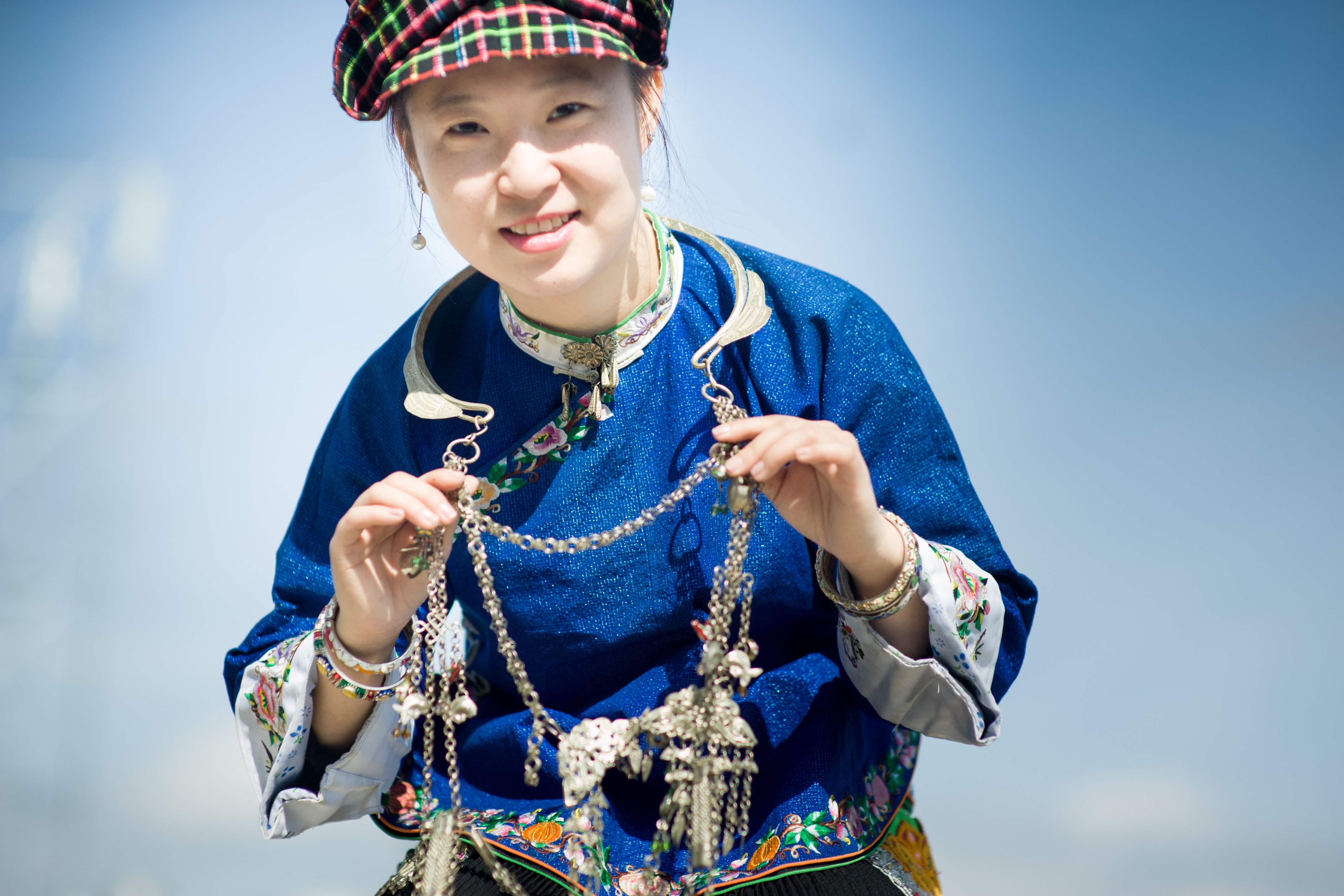
    Lijiang is simply the perfect destination for photoshoots featuring traditional ethnic attire! The town is brimming with countless hidden gems for photography. Narrow, winding alleyways flank weathered walls and quaint, time-worn residences. As you stroll through in your traditional ethnic outfit, the gentle breeze stirred by the hem of your clothing seems to whisper ancient legends, imbuing your photos with a serene and mysterious ambiance.

  • Learn Dongba script

    Learn Dongba script

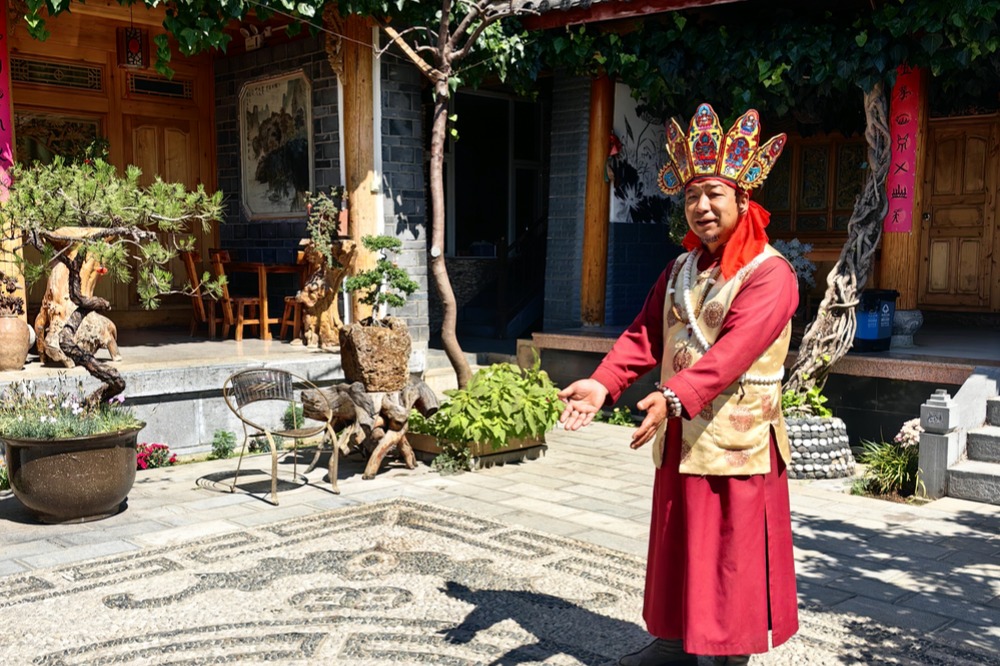
    Dongba script is a Naxi script, which still retains its most primitive characteristics and can learn how to write from teachers.

  • Making traditional soy milk

    Making traditional soy milk

    Use a traditional stone mill to grind soy milk and experience the life of local people.

  • Naxi Home Visit

    Naxi Home Visit

    Visiting Naxi allows you to take a closer look at the Naxi people's architecture, daily life, and culture.

Day6
Lijiang
The wind will remember that you were here, and you will remember the way the wind felt.

Today, you woke up naturally, without an alarm. We’ll see you off to the airport in time for your flight, bringing your six-day journey of chasing the wind through Dali and Lijiang to a close. The mountains, seas, and breezes of these past days have been carefully packed into the satchel of your memories.

Closing words: In the series “Meet Yourself,” there’s a line that says, “You can’t catch the wind, but its traces linger in the heart.” Over these six days, you weren’t just a tourist—you were someone who briefly turned life down to a slower pace. You heard the clatter of hooves along the ancient Tea-Horse Road, rediscovered your youthful spirit amidst the wheat fields of Xizhou, and forgave all your past unhappiness in the sunrise over Erhai Lake. May you carry a gentle, free-spirited breeze within you long after you return home.